




Keep reading
Rather we just did it for you?
Let's get your business seen.
Social media, websites, SEO and ads from a team you can actually meet.
Sharing food photos on Instagram can be fun, but getting real engagement takes more than just snapping a meal. Whether you’re a home cook, food blogger or run a small café, knowing how to boost likes on food posts can make a big difference. From timing your uploads to choosing the right angles and hashtags, small changes often bring better results. This article breaks down practical steps that help your content stand out without needing expensive equipment or paid promotions. If you’re ready to turn casual scrolling into meaningful interaction, these tips will point you in the right direction.
Perfect Your Plating
Presentation plays a major role in how people respond to your food content. When you arrange your dishes with care, they stand out more on the feed. A well-structured plate encourages viewers to stop scrolling and take notice.
Start by thinking about the layout of each item on the plate. Keep it tidy and avoid overcrowding. Space between elements helps make each part clear and easy to see. Use clean plates without marks or smudges to keep focus on the food itself.
Symmetry can help create a sense of order. If you’re working with round plates, place key ingredients in balanced positions. For square plates, try placing items in thirds or diagonals for better structure.
Colour also plays a strong role in making food look appealing online. Mix ingredients that contrast well, greens next to reds, light tones next to dark ones so nothing blends together too much. Bright colours tend to grab attention faster than dull ones.
Textures should not be ignored either. A mix of smooth, crunchy, soft or crisp items gives depth and makes photos look more interesting. For example, placing seeds over yoghurt or adding sauces beside grilled meat can bring extra detail into view.
Use natural lighting when possible as it brings out true colours and textures better than harsh indoor lights or filters.
Try different angles before taking photos, top-down shots often show full layouts best while side views highlight height and layers.
To boost likes on food posts, focus on small changes like spacing, colour choice and texture variation. These steps don’t need special tools but they do require planning before you press capture.
People scroll fast on Instagram, so plating with intent increases your chance of stopping thumbs mid-swipe without needing extra edits later on.
Use Natural Lighting
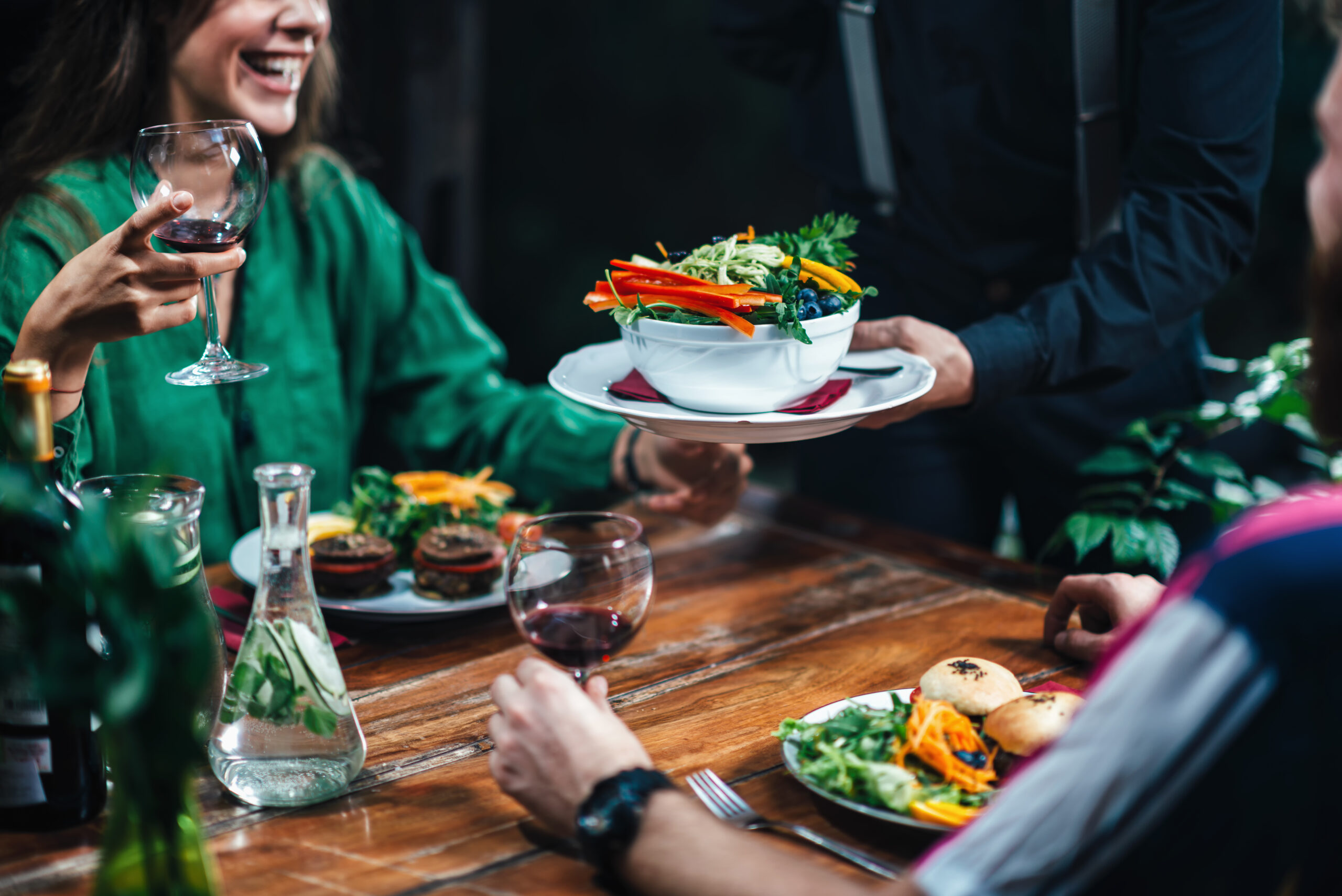
Good photos need proper light. Food looks better when shot near a window during daylight hours. Natural light helps show real colours and clear shapes without sharp shadows. It gives the image a clean, simple look that works well on Instagram.
Artificial lights can change how food appears. They may add strange tones or make parts of the plate too bright or too dark. Using sunlight avoids these issues and creates even lighting across the dish. Try to shoot in the morning or late afternoon when the sun is not as strong.
Place your plate close to a window but not in direct sun. Direct sunlight can create hard lines and bright spots that distract from your food. Soft light coming through sheer curtains works well for most dishes. If needed, use white paper or a simple board to reflect extra light onto darker areas.
Move around the setup to find which side brings out details best. Some angles highlight texture, while others show colour more clearly. Avoid using filters that change tones too much, as they can take away from how fresh or clear your photo looks.
Keep backgrounds plain so focus stays on what’s on the plate. A table near natural light with limited items around it often does best for engagement.
Using good lighting is one of the fastest ways to boost likes on food posts without changing anything else about your content. When people see detail and clarity in your photos, they’re more likely to stop scrolling and interact with them.
Try different times of day and placements until you find what suits each type of dish best. A small shift in angle or time can lead to better results over time if done consistently across posts.
Engage With Your Audience
Replying to comments shows that you value your followers. When someone leaves a comment on your food post, respond with something clear and direct. A short thank you or answer to their question can go a long way. This small action can make people more likely to return and interact again.
Asking questions in your captions is another simple way to drive responses. Invite your audience to share their thoughts, preferences, or even tips. For example, if you post a photo of pasta, ask what sauce they would use or how they cook theirs at home. These types of prompts encourage replies and start conversations.
Using polls or question stickers in Instagram Stories helps keep your followers active. People enjoy giving quick answers when it takes only one tap. You could run a poll about favourite toppings or ask which dish should be posted next week. It creates interaction without much effort from the viewer.
When users engage with your posts through likes, comments or shares, Instagram recognises this activity as interest. The platform then shows your content to more people who might also like it. That’s one reason why engagement is key if you want to boost likes on food posts consistently.
Creating this kind of connection makes others feel involved rather than just watching passively. They become part of the discussion instead of just scrolling by quickly.
Direct messages based on story replies also help create stronger ties with individuals who follow you closely. Taking time for these actions builds trust over time and encourages future support on new posts.
Maintaining two-way communication keeps interest high and motivates people to keep interacting with what you share next time around.
Master the Hashtag Game
Hashtags help people find your content. They group posts by topic and make it easier for others to discover what you share. Using them well can help you boost likes on food posts.
Start with hashtags that match what’s in your photo. If you’re posting a pasta dish, use tags like #pasta, #spaghetti or #italianfood. These simple tags connect your post with users who search for that type of meal.
Next, look at trending food-related hashtags. These change often, so check what’s popular before posting. Use tools like Instagram’s search bar or online hashtag trackers to spot them. Adding one or two trending tags gives your post more visibility.
Don’t only rely on broad tags though. Niche ones matter just as much. If your dish is vegan, gluten-free or part of a special diet, include those terms too like #veganrecipes or #glutenfreeideas. These attract followers who care about specific eating styles and want content that matches their needs.
Use location-based hashtags when possible such as #londonfoodie or #manchestergrub, if your audience is local or if the restaurant featured is in a specific city.
Avoid overloading the caption with too many hashtags; it can distract from the message. Instead, place them in a comment under the post if needed. Aim for 15–20 relevant ones per post rather than using every tag available.
Test different combinations over time to see which bring better results. Save sets of effective hashtag groups and rotate between them depending on the type of food shared.
Consistent tagging lets new users find you without paid ads or extra promotion steps. A clear mix of common and specific terms increases reach without looking spammy or forced.
Using smart hashtag strategies helps more people see your content and interact with it regularly across time zones and interests alike.
Post Consistently at Peak Times
Sharing food content on Instagram works best when done regularly and at the right hours. People use Instagram most during short breaks or after daily tasks. Early mornings, around 7–9 AM, and early evenings, between 5–7 PM, often show higher activity. Posting during these times can help your content reach more people.
A steady upload pattern helps you stay visible. Followers begin to expect posts from you if they come at similar times each week. This habit builds trust and keeps your profile active in their feed. If your uploads appear once in a while without any set timing, fewer people will notice them.
Use Instagram’s insights tool to check when your audience is online. These stats tell you which days and hours get the most attention. You can then plan ahead and prepare posts that match those periods. A simple calendar or reminder app can help keep this process smooth.
Avoid posting late at night or during working hours unless data shows otherwise for your followers. Fewer users scroll during these moments, so engagement drops quickly. Even great photos of meals may go unseen if shared when few people browse their feeds.
To boost likes on food posts, timing matters as much as the photo itself or its caption. Regular uploads matched with high-activity windows increase visibility across profiles that follow you.
Try using scheduling tools like Meta Business Suite or Later to manage post timings without needing to be online all day. These tools send out content exactly when planned, helping maintain routine even when you’re busy elsewhere.
Testing different slots over weeks also helps spot what works best for your page specifically, what performs well for one account may not suit another’s crowd due to age range, location or habits of their followers. Keep checking results so you can adjust based on what brings better outcomes over time.
Boost Likes on Food Posts: Tell a Story Through Captions
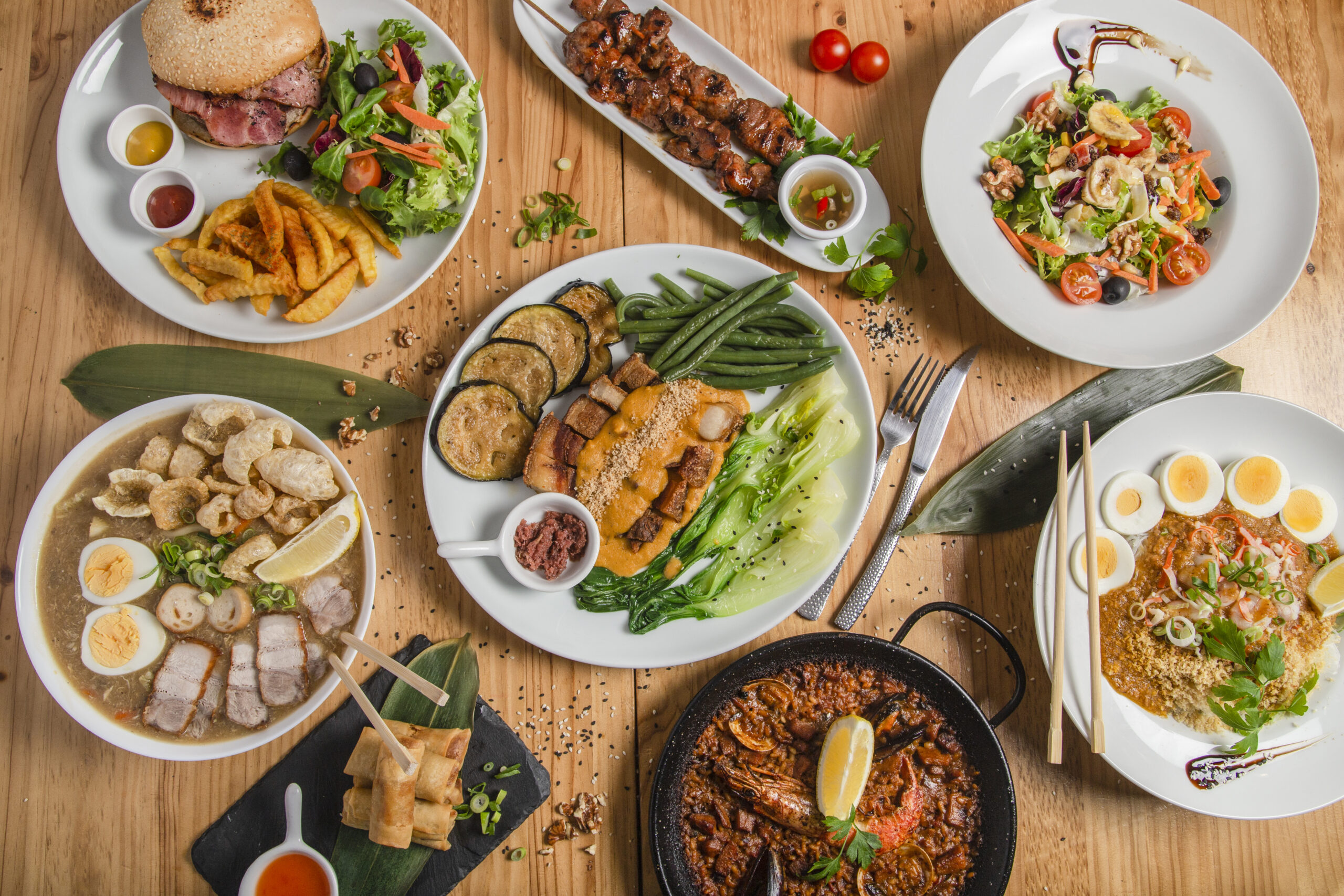
Captions help explain more than just what’s on the plate. They give people a reason to stop scrolling. When you post a photo of food, add context. Share what happened before or after the dish was made. Talk about who you cooked it for or where you got the idea.
Writing about how long it took to prepare or why you chose certain ingredients can make your content feel more real. People enjoy hearing about simple struggles or small wins in the kitchen. For example, mention if this was your first time trying a recipe, or if something went wrong but still turned out well.
You can also include quick tips that helped during cooking, like how to keep vegetables fresh longer, or which pan gave better results. These small details offer value and keep people interested.
Personal stories often lead to stronger reactions. If there’s a memory tied to the meal like cooking with family during holidays, mention that briefly. Keep sentences short and easy to read so followers can get your point quickly.
Ask questions at the end of your captions too. This invites replies and starts conversations under your post. Questions like “Have you tried this before?” or “What would you add?” push engagement without feeling forced.
Using these methods not only helps tell stories but also supports efforts to boost likes on food posts over time by creating connections with viewers. When people see effort in both the image and words, they’re more likely to react, comment, or share it forward.
Each caption becomes another way for followers to understand who made the dish and why it matters even if it’s just dinner on a weekday night.
Turn Tasty Content into Scroll-Stopping Success
To truly stand out in the crowded world of food content on Instagram, it’s essential to combine visual appeal with strategic engagement. By perfecting your plating, leveraging natural lighting, and crafting compelling captions, you create posts that not only look delicious but also tell a story. Pair this with smart hashtag use, consistent posting at optimal times, and genuine audience interaction to significantly boost likes on food posts. These expert-backed techniques aren’t just trends, they’re proven methods to elevate your Instagram presence and drive real results. Start applying these strategies today and watch your foodie content flourish.
































