




Keep reading
Rather we just did it for you?
Let's get your business seen.
Social media, websites, SEO and ads from a team you can actually meet.
Getting more people through the door can be tough, especially with so many dining options available. One proven way to boost visibility and fill tables is influencer marketing for restaurants. By working with food bloggers or local personalities, restaurants can reach real audiences who trust these voices. Whether it’s a short video of a signature dish or a simple Instagram post about a new menu, this approach helps turn online interest into actual bookings. It’s not about flashy campaigns, it’s about getting your food in front of people who want to try it and making it easy for them to book a table.
Identify the Right Influencers for Your Brand
Choosing the correct influencer is key when using influencer marketing for restaurants. Start by looking at who follows them. Their audience should match your ideal diners. If you serve lunch to office workers, find influencers who speak to that group. If your menu suits families, focus on creators whose followers include parents and caregivers.
Check how often people respond to their posts. High numbers of likes or comments can show strong interest. But make sure those replies seem real and not forced. A smaller account with honest feedback may do more than a large one with little true interaction.
Look at what kind of content they post. Some use photos, others prefer short videos or stories. Make sure their style fits your restaurant’s tone and values. A casual café may benefit from someone who shares relaxed daily updates, while a formal dining spot might suit someone who creates guided reviews or detailed experiences.
Location also matters. Focus on influencers based near your restaurant or those who often visit the area. Their followers will likely be nearby too, which helps turn views into bookings.
Review their past partnerships as well. If they’ve worked with other food brands, see how they presented them and if it led to clear results like higher traffic or engagement.
Avoid choosing based on follower count alone. An influencer with fewer but engaged fans can help more than one with many inactive users.
Test different types of influencers, some may have 5k followers; others 50k but both can reach useful groups if chosen well. Track outcomes like clicks, reservations or mentions each time you run a campaign so you know what actually works over time.
Matching your goals to the right voice increases trust and brings in real customers and not just online attention without action.
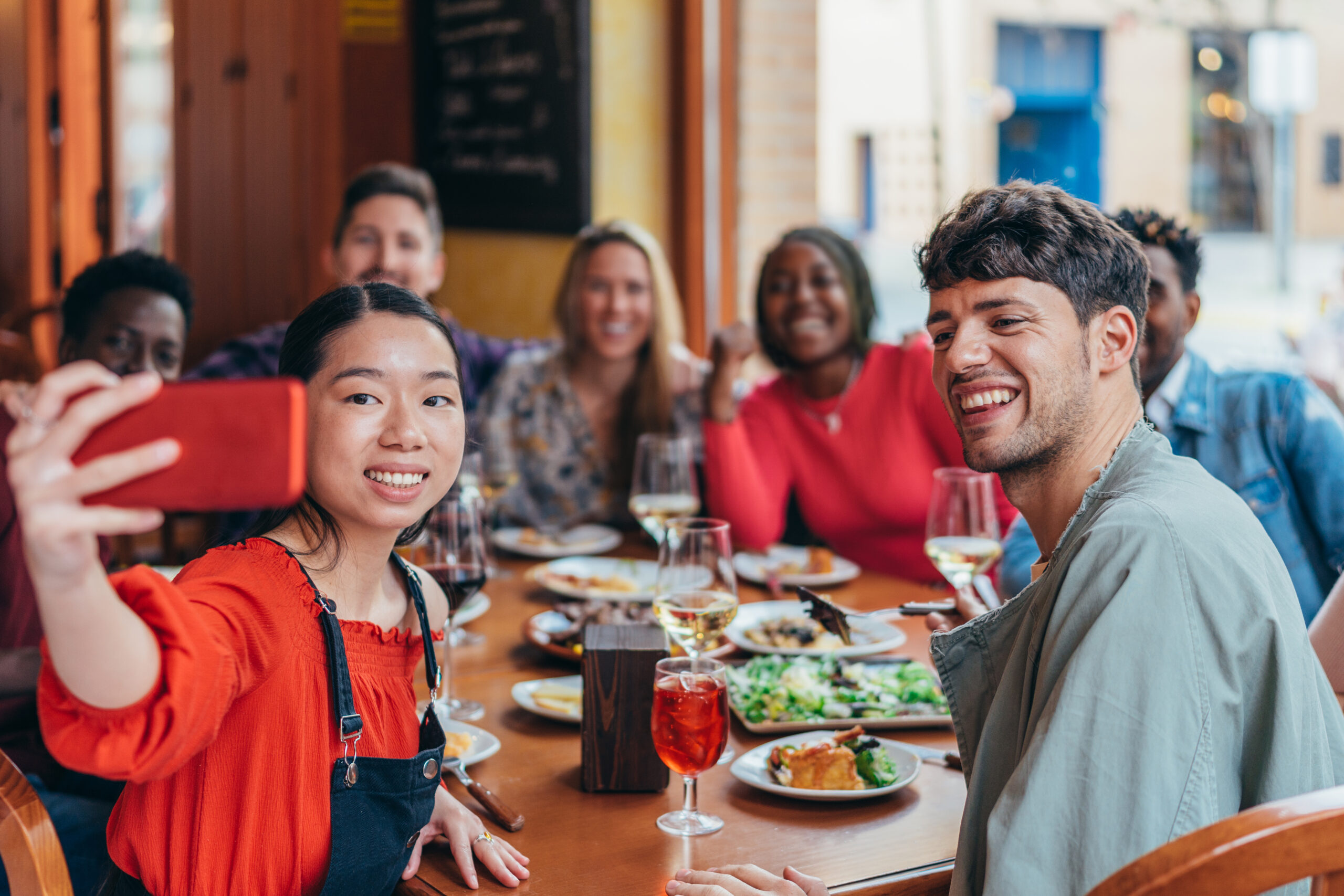
Create Authentic Dining Experiences
Invite influencers to try your menu before the public does. Use soft launches or private tastings as a way to bring them in. This gives them a chance to experience your food and service without distractions. They can then share their visit with their audience in a way that feels natural.
Avoid scripted events or staged photos. Let influencers order freely, interact with staff, and take part in how the restaurant works on a normal day. Encourage real feedback instead of asking for only praise. Followers notice when content feels forced, which can reduce trust.
Focus on smaller gatherings rather than large groups. A quiet setting helps them concentrate on the meal and atmosphere. It also allows more time for questions about ingredients, preparation methods or sourcing decisions.
Ensure that every part of the visit is smooth and easy to follow from booking through to payment if needed. Make sure staff understand who is visiting so they can give proper support during the experience.
Ask influencers to tag your location and use branded hashtags when posting online. This helps others discover your venue directly from their feed.
Track which posts lead to bookings using reservation links or codes shared by each influencer. These details help measure how well influencer marketing for restaurants performs over time.
Offer unique dishes or short-term specials during these visits so there’s something new worth talking about online. When followers see exclusive items, it may prompt quicker decisions around booking a table themselves.
Keep communication open after their visit too—thank them privately, share their posts (with credit), and invite them back when you update menus or launch seasonal items.
Leverage User-Generated Content
Influencers often share photos and videos when they visit a restaurant. These posts show real experiences from actual people, which helps build trust with potential customers. When planning your influencer campaign, ask creators to capture clear images of their meals, the dining area, and the overall service process. This type of content feels natural and draws attention from others who follow them.
Once influencers publish their posts, request permission to reuse their content. Share these visuals across your own social media pages. Use them on Instagram Stories, Facebook updates or even in email newsletters. Add these materials to your website as well especially on booking pages or gallery sections to show what visitors can expect.
User-generated material works better than staged promotional images because it reflects genuine feedback. It shows how food is served and how guests interact with staff and surroundings. People want proof before they make reservations, and this kind of content provides that evidence without needing long explanations.
Use captions that credit the original creator when reposting their visuals. Tagging influencers helps strengthen the relationship for future collaborations while also increasing reach through their followers’ activity.
To get consistent results, develop a simple guide for influencers you invite into your venue. Include basic tips such as best times for lighting or where to sit for good camera angles. Keep instructions short but helpful so they can create useful assets during their visit.
Influencer marketing for restaurants becomes more effective when combined with user-generated visuals that reflect actual customer moments inside the venue. Sharing this type of content regularly builds familiarity over time and encourages new diners to book tables more confidently based on what they’ve seen from others’ visits.
Use Influencer Marketing for Restaurants Strategically
Plan every campaign with clear timing and purpose. Random posts without a reason often fail to bring results. Focus on specific dates such as a new dish release or a limited-time offer. These events give influencers something real to talk about, which helps create interest among their followers.
Related reading: Social Media for Restaurants, Cafés and Bakeries: A Guide
Choose moments where potential diners might be looking for somewhere to eat – like holidays, weekends, or local events. These times often lead to more engagement and can help fill your tables faster. A well-timed post during these periods can lead to direct bookings if the message is clear and includes a call-to-action.
Set goals before each campaign begins. Decide if you want more reservations, increased website visits, or greater foot traffic. Track performance based on what matters most to your restaurant’s growth. For example, if the aim is more bookings, use booking links in influencer stories or bios and monitor how many people click through.
Work with influencers who match your target audience. This ensures that their followers include people likely to visit your location. Always brief them properly so they know what message you want shared and whether that’s highlighting lunch specials, showcasing group dining options or promoting online ordering.
Structure campaigns around short timeframes so content feels current and urgent. This helps drive action quickly rather than just building long-term awareness without results.
Influencer marketing for restaurants becomes much more effective when it supports specific business aims instead of being used randomly throughout the year without direction or planning.
Avoid running campaigns too far from peak dining times unless tied to another strong reason like an anniversary event or renovation reveal. Timing plays a key role in getting actual returns from any promotion involving social media creators.
Every post should support something happening right now at your restaurant and not just general branding with no link back to measurable outcomes like bookings or orders placed online.
Track Results and Optimise Campaigns
Measure the outcome of every campaign to understand what works. Start by checking reservation numbers before, during, and after each influencer post. A rise in bookings shortly after a post can signal strong impact. Compare this with past performance to see if the promotion brought real value.
Review your restaurant’s website data as well. Look at traffic sources to find out how many visitors came through influencer links or mentions. High click-through rates show interest from followers. Use tracking tools or unique URLs for each collaboration so you can match results directly to specific creators.
Pay attention to engagement on social media too. Likes, comments, shares, and saves help reveal which posts sparked action among viewers. Not all high-follower influencers drive results – some smaller accounts may bring more targeted interactions that lead to bookings.
Collect feedback from staff who take reservations or serve guests. They might hear where customers found out about the restaurant or what made them visit. This adds a practical layer of insight beyond digital data alone.
Compare different campaigns by time of day posted, platform used, style of content shared (video, story, photo), and type of message given (menu highlight vs event promotion). This helps identify patterns that perform best for your venue.
Use these findings when planning future partnerships in influencer marketing for restaurants. Focus on creators whose audience aligns with your ideal customer group and whose past efforts led to measurable gains in traffic or sales.
Adjust budgets based on previous returns instead of guessing impact ahead of time. Choose formats that led to higher interaction instead of repeating ones with little effect. Keep refining each step so future collaborations become more cost-effective over time without wasting resources on guesswork or trial runs that do not produce results.
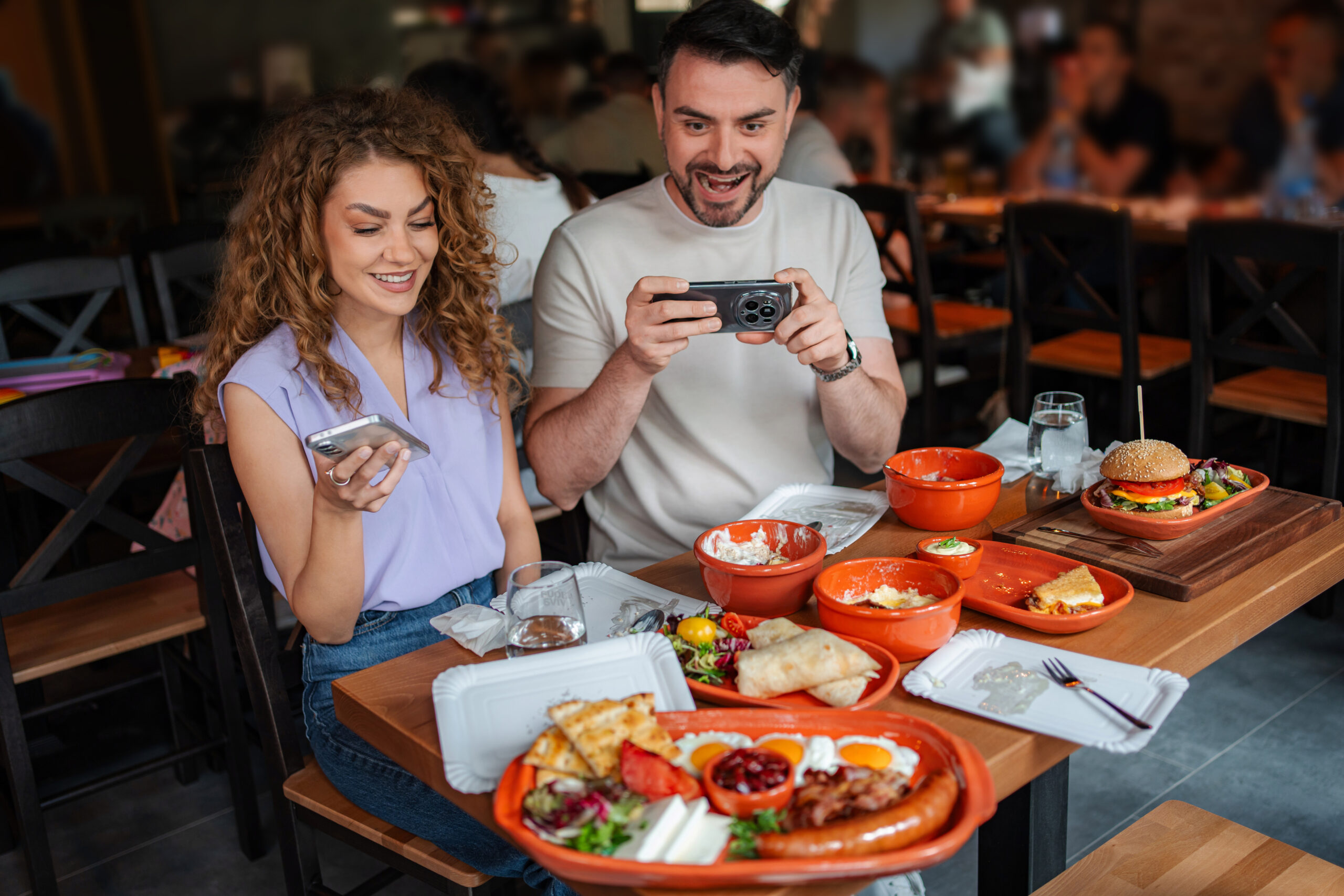
Build Long-Term Partnerships
One-time posts may bring short bursts of attention, but they rarely lead to lasting results. Restaurants can gain more by forming steady partnerships with influencers who truly enjoy their food and service. When an influencer visits often and shares regular updates, their audience begins to trust the recommendation as more than just a paid promotion.
Frequent content from the same person builds stronger recognition for your place. Their followers see repeated mentions, which helps keep your restaurant in mind when it’s time to book a table. A long-term approach also gives influencers time to understand your menu, team and values. This allows them to speak about the experience in a way that feels real.
Choose people who already show interest in dining out or sharing meals on social media. Look at how they talk about places they visit and whether they reply to comments from their audience. Someone who interacts well will likely create better engagement for you too.
Once you’ve found a good fit, offer them value beyond free meals. Invite them behind the scenes during prep hours or let them try new dishes before launch day. These small steps help build trust between both sides and give influencers unique stories to share.
This method supports consistent visibility instead of quick spikes in traffic that fade fast. It also saves time on finding new creators every month since you’re working with known partners who know what works best for both parties.
Influencer marketing for restaurants becomes more effective when it focuses on real connections rather than short-term reach numbers alone.
Turning Influence into Bookings: A Strategic Approach for Restaurant Growth
By carefully selecting influencers who align with your brand, creating genuine dining experiences, and encouraging user-generated content, restaurants can harness the power of influencer marketing to drive real results. When used strategically, influencer marketing for restaurants not only boosts visibility but also builds trust and fosters long-term customer relationships. Tracking performance and refining campaigns ensures ongoing success, while nurturing lasting partnerships helps sustain momentum. With a results-driven approach, restaurants can transform social influence into increased reservations and sustained growth in a competitive market.
































