




Keep reading
Rather we just did it for you?
Let's get your business seen.
Social media, websites, SEO and ads from a team you can actually meet.
Running a restaurant involves more than serving great food, it also means keeping customers engaged and coming back. A well-planned limited-time offer campaign can help you boost footfall, increase average spend, and create urgency without slashing prices long-term. Whether you’re promoting a seasonal dish or testing a new menu item, timing and execution matter. This article shares practical tips to help you plan, promote, and measure your campaign so it delivers real results. From setting clear goals to choosing the right channels for promotion, each step plays a role in turning short-term offers into long-term gains for your business.
Define Clear Objectives
Start by deciding what you want the promotion to do. A limited-time offer campaign can serve many purposes, so choose one that fits your needs. You might want more people coming in on slow days like Monday or Tuesday. You could also use the offer to bring attention to a new menu item. Some restaurants focus on getting customers to spend more during each visit.
Once you pick a goal, it becomes easier to plan everything else. Your message should match your target. If you’re trying to increase weekday visits, make sure the deal is only valid on those days. If you’re highlighting a new dish, feature it clearly in all materials both online and inside the restaurant.
Make sure your staff understands why this offer exists. If they know the reason behind it, they can explain it better and help reach the goal faster. For example, if you’re aiming for higher average bills per table, staff can suggest add-ons or upsells that support that goal without pushing too hard.
Track progress throughout the campaign period. Use data from point-of-sale systems to follow sales trends during specific hours or days linked with your offer. This will show whether foot traffic is growing or if certain meals sell more than others.
Clear goals also help when reviewing results later on. You’ll be able to tell if the extra effort led to higher income or repeat visits from new guests. Without set targets, it’s hard to measure success accurately or learn what works best for future offers.
Each objective should guide how long you run the deal and how much you invest in promoting it through flyers, social media posts, email newsletters or table talkers inside your venue. Having direction saves time and helps any team stay focused while improving outcomes across different areas of service and sales performance.

Know Your Audience
Understanding who visits your restaurant is key before starting any limited-time offer campaign. Look at the type of guests you serve most often. Are they families, office workers, students, or retirees? Each group eats out for different reasons and at different times. Their food choices and how much they spend can also vary.
Use data from past orders to spot trends. Check which dishes sell well during lunch hours versus dinner service. See if certain days bring in more traffic than others. These patterns help you decide when to run your offer and what items to include.
Pay attention to common preferences too. If customers lean toward plant-based meals or quick bites, shape your deal around those habits. Offering a slow-cooked meal to a crowd that prefers grab-and-go options may not get results.
Talk with regulars or ask for feedback through short surveys or comment cards. Direct input gives insight into what people expect from your menu and pricing structure.
Social media activity can also guide decisions. Track which posts receive more reactions, comments, or shares especially ones featuring specific dishes or promotions. This shows what catches attention and might help form a more appealing deal.
Study average spending per visit as well. If most guests spend under £15 per meal, avoid bundling high-cost items in one offer unless clearly marked as a special value.
A strong fit between the promotion and customer habits leads to better results. Offers that reflect real behaviour have more chance of being used than random discounts or bundles with no connection to demand patterns.
Adjust timing based on footfall trends too, early-week deals might attract those looking for midweek variety while weekend offers could appeal to larger groups dining out together.
Understanding these behaviours helps shape an approach that speaks directly to those already walking through the door rather than chasing unknown crowds who may never convert into loyal diners.
Create a Sense of Urgency
A clear deadline pushes people to act. Use short timeframes to encourage faster decisions. For example, say “Offer ends Sunday” or “Only this weekend.” These phrases show that the chance won’t last long. Guests will feel the need to visit before time runs out.
Avoid leaving your limited-time offer campaign open-ended. A strict end date removes doubt and gives clarity. When customers see a closing date, they know they must plan soon or miss out. If you keep the offer up for too long, it can lose impact.
Use signs inside your restaurant and on your website with bold dates and simple language. You can also update your social media pages daily during the promotion period with reminders such as “3 days left” or “Final day today.” This keeps attention high throughout the week.
Staff should also mention the deadline when speaking to guests. A quick line like “This special ends Friday” helps reinforce action at checkout or while ordering. It also makes customers more likely to share details with friends who may be interested in trying it themselves.
Emails and SMS messages can support urgency as well. Subject lines like “Last chance for our weekend deal” get better results than general updates. Push notifications from apps can help alert loyal visitors right away.
Urgency works best when paired with limited availability too such as running a dish only once per day during the campaign window or offering it only after 5pm each evening. Combining both time limits and quantity limits increases interest even more without needing extra promotion spend.
Time-sensitive words drive quicker choices because they reduce hesitation. Be consistent across all platforms so every guest hears about the same cut-off point wherever they see your message.
Promote Your Limited-Time Offer Campaign Widely
Use every available channel to spread the word about your limited time offer campaign. Start with social media platforms where your guests already follow you. Post clear and direct updates showing what the offer includes, when it ends, and how people can get it. Use photos of the menu items involved. Keep captions short and include a call-to-action like “Order now” or “Visit us today.”
Set up email newsletters to reach customers who’ve signed up in the past. Include a subject line that explains what they’ll get if they open it. Inside the email, highlight key details such as start date, end date, pricing, or any conditions. Send reminder emails during the campaign period to keep attention on your offer.
Place signs inside and outside your restaurant that show off the deal clearly. Use large fonts for dates and prices so passers-by can see them quickly. Add small table-top cards or stickers near tills to remind dine-in customers about what’s available.
Work with nearby businesses or community groups that serve similar audiences but don’t compete with you directly. Ask if they’d be willing to share news of your promotion in their newsletters or at their locations in exchange for doing something similar for them later.
Ask staff members to mention the promotion during customer interactions whether taking phone orders, greeting walk-ins, or handling takeaway pickups.
Track which channels bring in more footfall or online orders so you can focus efforts better next time around. Avoid relying too much on one method; using multiple tools together helps reach different types of diners across various touchpoints without missing opportunities.
Train Your Staff Thoroughly
Staff must understand every part of the promotion before it begins. Clear knowledge helps them speak with confidence when explaining the offer to guests. If team members do not know what is included, they may give wrong details or miss chances to promote certain menu items.
Start by holding a short meeting before the limited-time offer campaign launches. Use this time to explain the promotion rules, pricing, and time frame. Give examples of customer questions and show how to answer them in a simple way. Encourage staff to ask their own questions so any confusion can be cleared up early.
Make printed guides or cheat sheets for quick reference during shifts. Include key points such as which meals apply, portion sizes, and whether changes to orders affect eligibility. Keep these resources easy to read and place them in areas where staff take breaks or clock in.
Role-play common situations with servers and front-of-house workers. This builds comfort when speaking about the deal under pressure. Kitchen staff should also know what changes behind the scenes – prep times, ingredients used more often, or any limits on supply.
Remind your team why upselling matters during this period. A well-informed server can suggest extra sides or drinks that match well with promoted items without sounding forced or robotic. When customers ask for help choosing between options, trained staff should guide them clearly using facts from your promotional plan.
Keep checking in once service begins each day during the campaign run. Ask if there have been unusual questions from diners or if new issues have come up that need clarification across shifts.
When every worker knows exactly how the offer works, they feel ready to handle each guest smoothly – helping drive more sales without slowing down service flow.
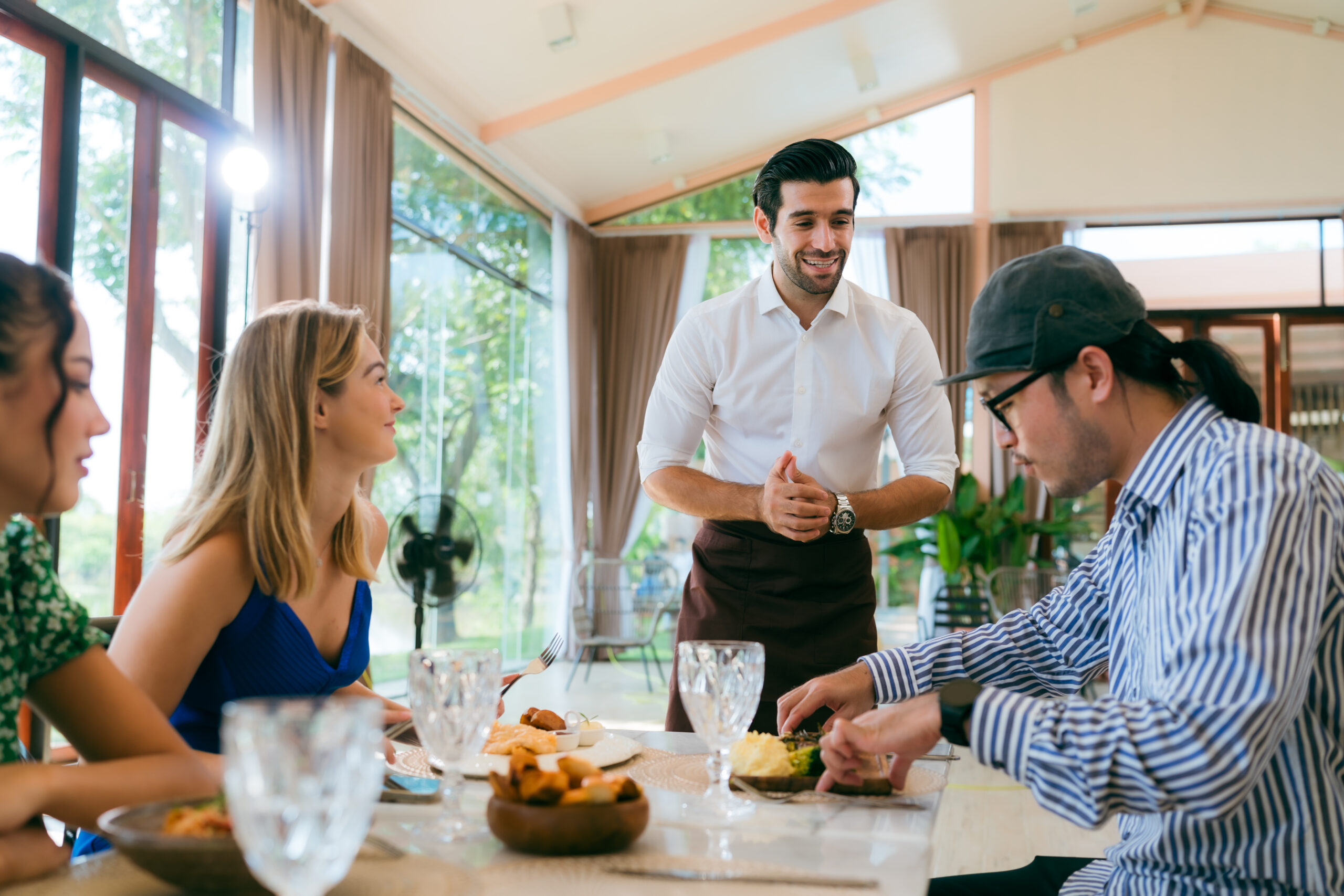
Track Performance and Gather Feedback
Monitor how your limited-time offer campaign performs from start to finish. Begin by checking sales data daily or weekly, depending on the length of the promotion. Look at total sales, number of orders with the offer, average spend per customer, and how it compares to normal periods. If multiple items were part of the deal, see which ones sold most.
Use your point-of-sale system or spreadsheets to record this information clearly. This helps you spot trends early. For example, if sales drop after a few days, it could mean interest is fading or that people didn’t know about it. If one location performs better than others (if you have more than one), review what they did differently — signage placement, staff engagement or timing may be factors.
Customer feedback is just as important as numbers. Ask diners what they thought about the offer while they’re still in the restaurant. A quick question during payment can give honest answers. You can also use short online surveys shared through email or social media after their visit.
Check online reviews during and after the campaign period too. Look for comments about price, taste, portion size and value for money related to your special deal.
Talk with your team once it’s over – servers and kitchen staff often hear things directly from guests that don’t get recorded elsewhere.
Combine these insights with actual figures to decide if repeating this type of promotion makes sense later on. Adjust pricing strategies or change menu items based on what worked best this time around.
Maximising Impact Through Strategic Execution
Launching a successful limited-time offer campaign requires more than just a catchy promotion, it demands strategic planning and flawless execution. By clearly defining your objectives, understanding your target audience, and creating urgency, you lay the groundwork for strong customer engagement. Promoting the offer across multiple channels, training staff effectively, and tracking performance ensures your campaign delivers measurable results. When done right, a limited-time offer campaign can drive traffic, boost revenue, and strengthen brand loyalty. Stay focused on data-driven decisions and continuous improvement to make every campaign more impactful than the last.
































