



Keep reading
Rather we just did it for you?
Let's get your business seen.
Social media, websites, SEO and ads from a team you can actually meet.
Startup branding is one of those phrases that gets thrown around a lot, usually somewhere between picking a logo colour and arguing about whether the font feels too serious. But branding is so much more than the pretty bits, and when you are building something new, getting it right early can be the difference between being remembered and being scrolled past. We say this to clients all the time: people do not buy what you do, they buy how you make them feel, and your brand is the thing doing the feeling.
If you are in the thick of launching a business, you have probably got a hundred jobs on the go, and branding can feel like a luxury you will sort out later. Grab a cup of tea, because we want to walk you through why that thinking can cost you, and how to build a brand that works as hard as you do.
So what do we actually mean by startup branding?
When we talk about startup branding, we mean the whole personality of your business, not just the logo stuck in the corner of your website. Your brand is the promise you make to people and the feeling they get every time they bump into you, whether that is your Instagram grid, the tone of your emails, the way your packaging feels in someone’s hands, or how your team answers the phone. A logo is part of it; so are your colours, your typography, your voice, your values, and the little details that make you you.
Think of it this way: if your business were a person walking into a room, your branding is everything about how they carry themselves. Are they warm and approachable, or sharp and corporate? Do they crack a joke or get straight to business? That personality needs to be consistent, because consistency is what turns a one-off glance into recognition, and recognition into trust.
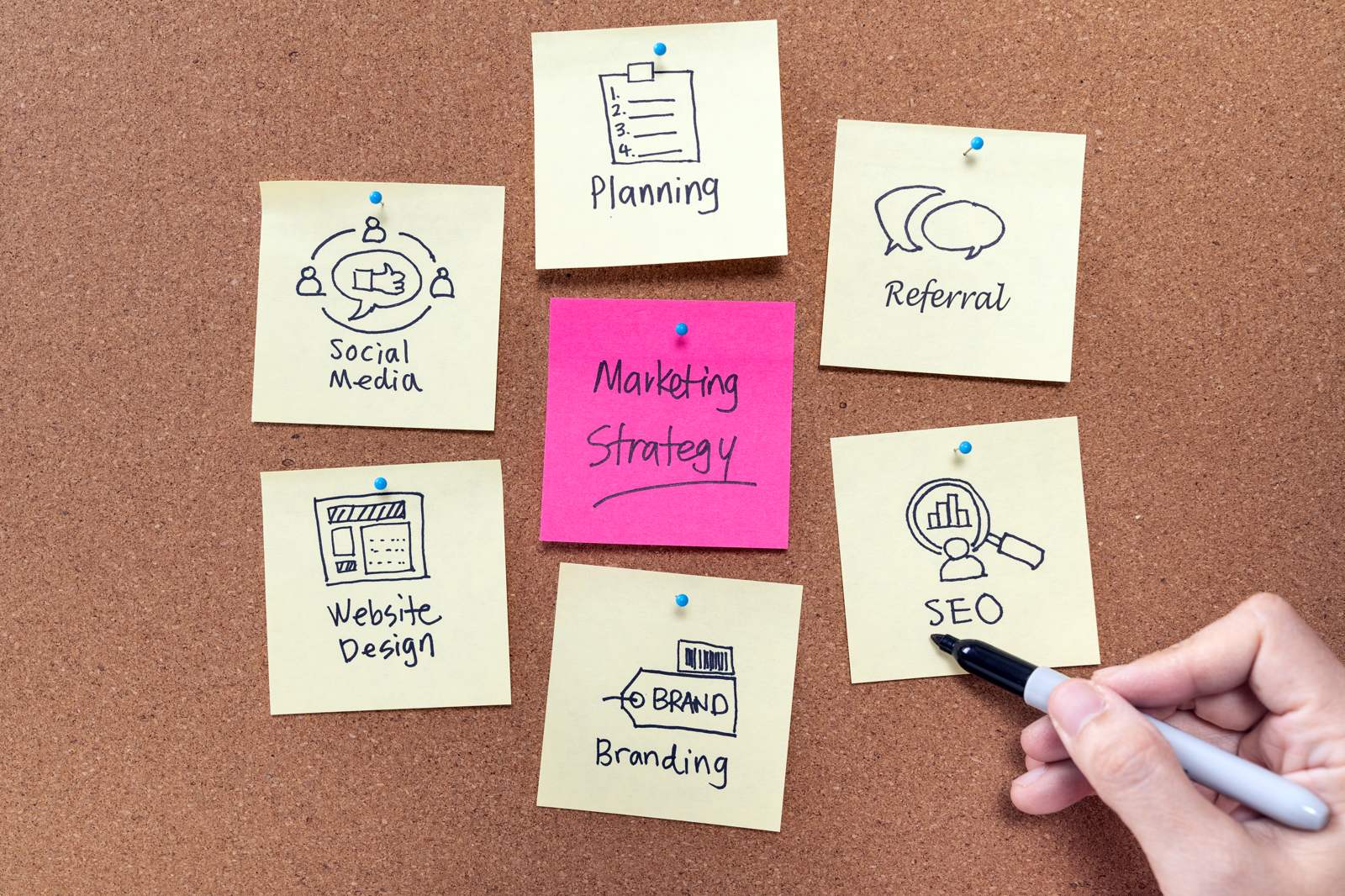
Why getting your branding right matters from day one
It is tempting to treat branding as something you tidy up once the money is rolling in; when you are bootstrapping, every pound has a job. But strong branding is not a vanity project; it is one of the hardest-working assets a young business has.
First, it builds trust faster. People are naturally wary of new names they have never heard of, and a polished, consistent brand signals that you take your work seriously. If your branding looks well-built and thoughtful, people assume your product or service is too.
Second, it helps you charge what you are worth. Two businesses can offer almost identical services, but the one with the clearer, more confident brand can usually command a higher price. Branding shapes perceived value, and perceived value shapes your invoices.
Third, it makes marketing easier and cheaper. When you know who you are and who you are talking to, every post, advert, and email gets sharper. And here is the punchy bit: a strong brand markets itself, because happy customers do the talking for you.
Get this right early and everything else gets easier.
How to build your startup brand step by step
Branding can feel overwhelming, so we like to break it into manageable steps. You do not need to do all of this in a weekend, but work through them in roughly this order, because each step builds on the one before.
Start with your why and your audience
Before you touch a single colour swatch, get clear on why your business exists beyond making money, and who you are for. A brand that tries to appeal to everyone usually connects with no one. Picture your ideal customer in detail: what keeps them up at night, what they care about, where they spend time online. The clearer this picture, the easier every later decision becomes.
Nail your brand strategy before the visuals
Your brand strategy is the thinking that sits underneath the look. It covers your positioning (where you sit in the market and what makes you different), your personality, your values, and your key messages. We always say this to clients: a beautiful logo built on a fuzzy strategy is a house built on sand. Spend the time here and the design choices almost make themselves.
Design a visual identity that travels
Now for the fun part. Your visual identity includes your logo, colour palette, fonts, imagery style, and any graphic elements that make you recognisable. Aim for something flexible and mobile-friendly, because your logo needs to look as good as a tiny social avatar as it does on a shop front. Keep it simple; the most memorable brands are rarely the most complicated.
Find your brand voice
How you say things matters as much as what you say. Your brand voice is the consistent tone you use across everything you write, from your website to your customer service replies. Are you playful or precise? Cheeky or calm? Write down a few words that describe your tone, jot a couple of phrases you would and would not use, and suddenly everyone on your team writes like one joined-up business.
Document it all in brand guidelines
Once you have your strategy, visuals, and voice, capture them in a simple set of brand guidelines. This does not need to be a sixty-page document; even a tidy one-pager covering your logo usage, colours, fonts, and tone of voice will keep things consistent as you grow.
Roll it out everywhere, consistently
Finally, put your brand to work across every touchpoint: your website, social profiles, email signatures, invoices, packaging, and any printed bits. Consistency is the secret ingredient. The more reliably people see the same look and feel, the faster they remember you.
DIY branding or hiring an agency: a quick comparison
At some point you will weigh up doing your branding yourself against bringing in help. Both are valid; the right answer depends on your budget, your timeline, and how confident you feel. Here is how the two stack up:
- Cost: DIY is light on cash but heavy on your time; an agency is a bigger upfront spend but frees you to run the business.
- Speed: doing it yourself can be slow with the learning curve; an experienced team usually moves faster and avoids the false starts.
- Quality and consistency: DIY results vary with your skills; professionals bring a trained eye and a system that keeps everything joined up.
- Strategy: going solo, it is easy to jump straight to visuals; a good agency starts with the thinking that makes those visuals work harder.
- Long-term value: a cheap logo today can mean a costly rebrand later; investing properly once tends to save money later.
- Control: DIY gives you complete hands-on control; an agency partnership means trusting experts while staying closely involved.
There is no shame in starting scrappy and upgrading later, and plenty of brilliant brands did exactly that.
Best practices we share with clients all the time
We have helped a lot of new businesses find their feet, and a few principles come up again and again.
Keep it simple and consistent. The brands people remember are clear, not cluttered. Resist the urge to use five fonts and a rainbow of colours; pick a tight palette and stick to it everywhere.
Be authentic. Do not borrow a personality that is not yours just because a competitor is doing well with it. People can smell a copy, and authenticity is what builds the kind of loyalty that lasts.
Design for where your customers actually are. That usually means mobile-first, because most people will meet your brand on a phone. If it does not work small, it does not work.
Think long-term. Choose a name, look, and feel you can still live with in five years, not just something that feels on-trend this month. Trends date; a solid, well-built brand ages gracefully. And leave room to grow, because your brand should have space to stretch as you add products, services, or audiences.
Common branding mistakes startups make
We see the same stumbles time and again, and the good news is they are all avoidable once you know to watch for them.
The first is skipping strategy and rushing to the logo. It feels productive to have something to show, but a logo without a strategy behind it is just decoration.
The second is inconsistency. One look on Instagram, another on the website, a different tone in emails: it quietly chips away at trust. Customers may not consciously notice, but the wobble registers.
The third is trying to please everyone. Water down your brand to avoid putting anyone off and you usually end up forgettable. The brands that win are happy to not be for everyone.
The fourth is copying competitors. It is fine to take inspiration, but if you blend in with the crowd, why would anyone pick you over the established name? Your difference is your advantage.
The last big one is treating branding as a one-and-done job. Your brand is a living thing; it needs the occasional check-in to make sure it still fits the business you have become.
Where startup branding is heading next
Branding never stands still, and a few shifts are worth watching as you build.
Authenticity and values keep climbing the agenda. Customers, especially younger ones, increasingly want to know what a business stands for, not just what it sells. Brands that are open about their purpose, people, and impact are connecting more deeply than the polished-but-hollow alternatives.
Personality is becoming a bigger deal too. As more of our interactions happen on screens, brands with a genuine, human voice cut through the noise. Being relaxed and real, rather than stiff and corporate, works for businesses of every size.
We are also seeing brands build for flexibility: logos that adapt to different formats, motion as standard, and identities designed to flex across an ever-growing list of platforms. None of this means chasing every shiny trend; it means staying genuine, staying human, and staying adaptable.
Here are a few questions new business owners ask us most often.
How much should a startup spend on branding?
There is no one-size-fits-all figure; it depends hugely on your industry and ambitions. The honest answer is to invest what you can without stretching yourself thin, and to prioritise strategy and a solid visual identity over expensive extras. Many startups begin with the essentials, a logo, colours, fonts, and clear messaging, then build out as they grow.
How long does it take to build a brand?
A focused branding project often takes a few weeks to a couple of months, depending on how much is involved and how quickly decisions get made. That said, a brand is never truly finished; it grows and matures alongside your business. The early groundwork is what you want to get right, because it sets the direction for everything after.
Can I change my branding later?
Absolutely, and plenty of businesses do. As you learn more about your customers and your offer evolves, a refresh can keep you relevant. The trick is to evolve thoughtfully rather than chopping and changing on a whim, because every change asks your audience to re-learn who you are. Small, considered updates usually beat dramatic overhauls.
Do I really need professional help for startup branding?
Not necessarily, especially at the very start. If you are resourceful and have a clear vision, you can get a long way yourself. But as the stakes rise, professional input can save you time, sidestep expensive mistakes, and give you a sharper, more cohesive result. Many founders do the early bits themselves and bring in experts when they are ready to level up.
Your startup branding checklist
If you only take one thing away, let it be this short checklist. Work through it and you will be miles ahead of most new businesses:
- Purpose and audience: you can clearly say why you exist and exactly who you serve.
- Brand strategy: your positioning, values, and key messages are written down, not just in your head.
- Visual identity: you have a logo, colour palette, and fonts that work everywhere, especially on mobile.
- Brand voice: you know how you sound and your whole team can write in that tone.
- Brand guidelines: the essentials are captured in a simple document anyone can follow.
- Consistency: every touchpoint, from your website to your invoices, looks and feels like you.
- Room to grow: your brand has space to stretch as your business expands.
Let us help you get your startup branding right
Building a brand from scratch is exciting, a little daunting, and one of the most valuable things you can do for a new business. You do not have to do it alone. At Delivered Social, we help startups and small businesses across the UK turn a blank page into a brand that feels unmistakably theirs, from strategy and logo design to the social media that brings it all to life.
If you are ready to get your startup branding right from the start, we would love to hear your story over a cup of tea. Contact us today and let us build something you will be proud to put your name to.
































