



Keep reading
Rather we just did it for you?
Let's get your business seen.
Social media, websites, SEO and ads from a team you can actually meet.
Here is a hard truth we share with small business owners all the time: a beautiful website that nobody visits is just an expensive business card. The site itself is only ever half the job; the other half is website marketing, the ongoing work of getting the right people to your pages and gently nudging them towards becoming customers. Plenty of businesses pour their budget into the build, then wonder why the enquiries never come. The good news is that turning a quiet website into a busy one is a learnable craft, and you do not need a huge team or a huge budget to do it well.
This guide walks through what website marketing actually involves, the channels that matter for a small business, and a practical, step-by-step way to build a strategy that keeps working long after you press publish.
What website marketing really means
Website marketing is everything you do to attract visitors to your website and turn them into leads, enquiries or sales. It is not one single activity but a blend of them, from search engine optimisation and content to email, social media and paid ads, all pointing back to your site as the hub. The website is the shop; website marketing is everything you do to get people through the door and help them find what they came for.
The important shift in thinking is to stop treating your website as a finished object and start treating it as a living part of your marketing. A good site earns its keep every month by pulling in visitors, answering their questions and quietly guiding them towards getting in touch. That is the mindset this whole strategy is built on.
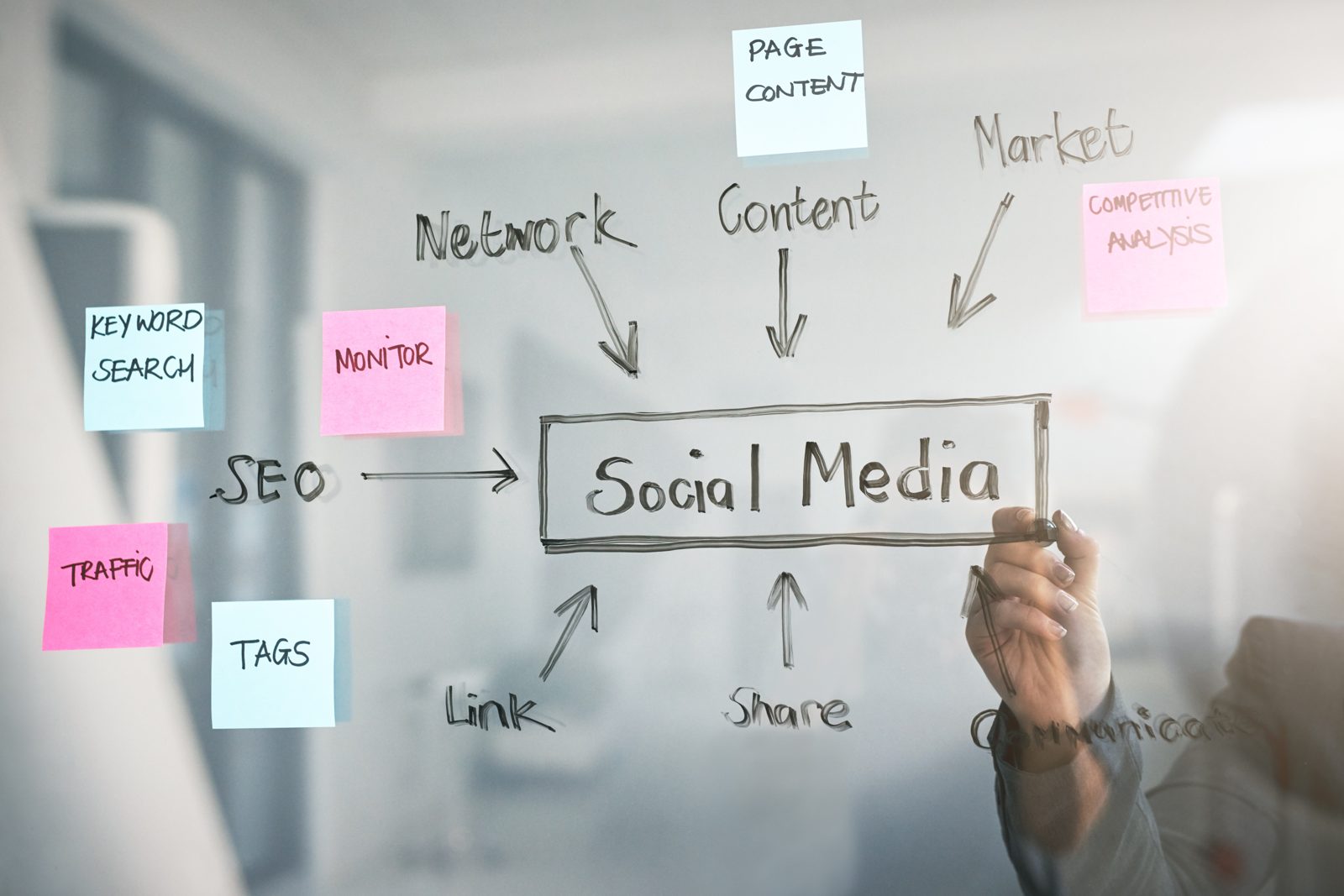
Why a website marketing strategy matters for small businesses
Without a plan, website marketing tends to become a scattergun of random posts and half-finished ideas, and the results are just as random. A proper strategy gives your effort direction; you know who you are trying to reach, what you want them to do, and which handful of activities will actually move the needle. For a small business with limited time, that focus is everything, because it stops you pouring hours into channels that were never going to pay off.
There is also a compounding effect that makes this genuinely exciting. Unlike an advert that vanishes the moment you stop paying, a well-optimised page or a helpful blog post can bring in visitors for years. We say this to clients all the time; good website marketing is less like renting attention and more like building an asset that keeps giving back.
The core channels of website marketing
You do not need to do everything, but it helps to understand the main options so you can choose the right mix. Here is how the key channels compare:
- Search engine optimisation: optimising your site so it ranks in Google for what your customers search; slow to build but wonderfully durable once it takes hold.
- Content marketing: creating useful blogs, guides and pages that answer real questions, drawing people in and building trust before they ever enquire.
- Email marketing: staying in touch with people who have shown interest, which tends to deliver the strongest return of any channel for the money.
- Social media: using the platforms your audience already scrolls to share content, build a following and drive traffic back to your site.
- Paid advertising: buying visibility through Google or social ads for fast, targeted traffic, ideal when you need results quickly or want to test an offer.
How to build a website marketing strategy, step by step
A strategy does not need to be a fat document nobody reads. Here is the practical sequence we would walk a client through.
- Get clear on your goal: decide what a win looks like, whether that is enquiries, bookings, sign-ups or sales, so everything else has something to aim at.
- Know who you are talking to: sketch out your ideal customer, what they want and where they spend their time online.
- Make sure your site is ready: check it is fast, mobile-friendly and makes it obvious what to do next, because sending traffic to a clunky site just wastes it.
- Pick two or three channels: choose the ones that best fit your audience and your strengths rather than trying to be everywhere at once.
- Create a simple plan you can keep: map out what you will publish or promote and when, at a pace you can actually sustain.
- Measure and adjust: track what happens, keep doing what works and quietly drop what does not.
Making your website ready to convert
Driving traffic is pointless if the site lets those visitors slip away, so a little groundwork pays off enormously. Your pages should load quickly, because every extra second of waiting sends people back to the search results. They should look and work well on a phone, since that is where a large share of your visitors will be. And every important page should make the next step obvious, whether that is a clear contact button, a simple form or an easy way to buy. We say this to clients all the time; you do not need a hundred clever features, you need a fast, clear site that makes it easy to say yes.
Common website marketing mistakes to avoid
The pitfalls we see most are rarely about talent and almost always about focus. Businesses spread themselves across every platform going and burn out before any of them gains traction. They chase visitor numbers for their own sake, forgetting that a hundred of the right people beat ten thousand of the wrong ones. They publish in bursts and then go quiet for months, which undoes the momentum they had built. And a great many never look at their analytics, so they keep guessing instead of learning what their audience actually responds to. Each of these is easy to fix once you notice it, and fixing them is often what turns a flat website into a productive one.
Where website marketing is heading
The landscape keeps shifting, but the direction is encouraging for smaller players. Search is becoming more about genuinely helpful, well-written content and less about gaming the system, which rewards businesses that know their subject. Personalisation is growing, so tailoring your message to different visitors is becoming easier and more expected. Video and interactive content are climbing in importance as ways to hold attention. And AI tools are making it faster to plan, draft and analyse, which frees up small teams to focus on the human touch that no tool can replicate. The businesses that win will be the ones that stay genuinely useful to their audience.
A simple example of website marketing in action
Imagine a local accountant who wants more small business clients. Rather than trying to shout everywhere at once, they start with a clear goal: enquiries from local firms. They know their ideal customer is a busy owner who worries about tax deadlines, so they write a handful of genuinely useful guides answering the questions those owners actually type into Google, things like what expenses they can claim or when a return is due. Those guides start ranking, quietly bringing in visitors month after month.
Next, they add a simple email newsletter, so the people who read a guide but were not quite ready can stay in touch until they are. They share each new guide on the one social platform their clients use, and once a quarter they run a small, targeted ad around tax season when demand spikes. None of it is flashy, and none of it eats their whole week. But because every piece points back to a fast, clear website with an obvious contact form, the enquiries build steadily. That is website marketing working as a system rather than a scramble.
How the channels work together
The real magic of website marketing is not any single channel; it is the way they reinforce one another. Search and content bring in new people who did not know you existed. Social media keeps you visible and gives that content somewhere to travel. Email captures the interested-but-not-ready and turns them into customers over time. And paid ads give you a dial you can turn up when you want faster results or a seasonal push. Lean on just one and you are fragile; weave a few together and each one makes the others stronger.
This is also why the website itself sits at the centre of everything. Every channel is ultimately trying to send someone to your site, so the effort you put into making it fast, clear and easy to act on pays off across all of them at once. Improve the destination and you improve the return on every journey that leads there. We say this to clients all the time; sort the site out first, then turn on the taps.
How long does website marketing take to work?
It depends on the channel. Paid ads can bring traffic the same day, while search and content marketing are more of a slow build, often taking a few months to gather real momentum. That is exactly why a good strategy blends the two, using quicker wins to keep things ticking over while the longer-term assets mature. Patience genuinely pays here.
Do I need to be on every social media platform?
No, and trying to is one of the fastest routes to burnout. It is far better to do two platforms well than five badly. Pick the ones where your customers actually spend time and put your energy there; you can always expand later once you have a rhythm that works.
Can I do website marketing myself or should I outsource?
Plenty of small business owners handle the basics themselves, especially early on, and that is a fine place to start. As you grow, though, your time becomes more valuable spent on the business itself, and bringing in help for the fiddly or technical parts often pays for itself. It does not have to be all or nothing; many businesses do the bits they enjoy and hand over the rest.
Your quick website marketing checklist
- Set one clear goal for what your website should achieve.
- Define your ideal customer and where they spend time online.
- Check your site is fast, mobile-friendly and clear before driving traffic to it.
- Choose two or three channels and commit to them properly.
- Plan your content at a pace you can sustain.
- Review your analytics regularly and adjust.
Let us help you get your website working
Great website marketing is not about doing everything; it is about doing the right few things consistently, so your site becomes a steady source of enquiries rather than a quiet corner of the internet. If you would like a hand shaping a strategy that fits your business, your budget and the time you realistically have, that is exactly what we love to do. Get in touch with the friendly team at Delivered Social and we will talk it through over a cup of tea; no jargon, no hard sell, just practical marketing that works for real small businesses.
































