




Keep reading
Rather we just did it for you?
Let's get your business seen.
Social media, websites, SEO and ads from a team you can actually meet.
There’s a moment in every buyer’s journey when interest peaks.
A visitor lands on your site. They’ve read about your services. They’re comparing options. They’re thinking, “This could work.”
And then they see it. A static contact form asking for their name, email, and a message — followed by silence after they hit submit.
For years, that model was acceptable. Today, it’s friction.
Modern buyers are used to instant replies, guided experiences, and personalised recommendations. When the only next step is “fill this out and wait,” momentum drops. And in competitive markets, lost momentum means lost revenue.
Contact forms still have a place. But forward-thinking organisations are building smarter lead capture systems that are conversational, interactive, and embedded across multiple touchpoints.
1. From Static Forms to Guided Conversations
One of the biggest shifts in digital marketing has been moving from passive collection to active engagement.
A lead generation chatbot from NoForm AI replaces a blank message box with structured dialogue. By asking targeted questions, qualifying leads automatically, and delivering instant, AI-driven responses, this chatbot helps turn casual website visitors into actionable prospects while boosting engagement and streamlining your sales workflow.
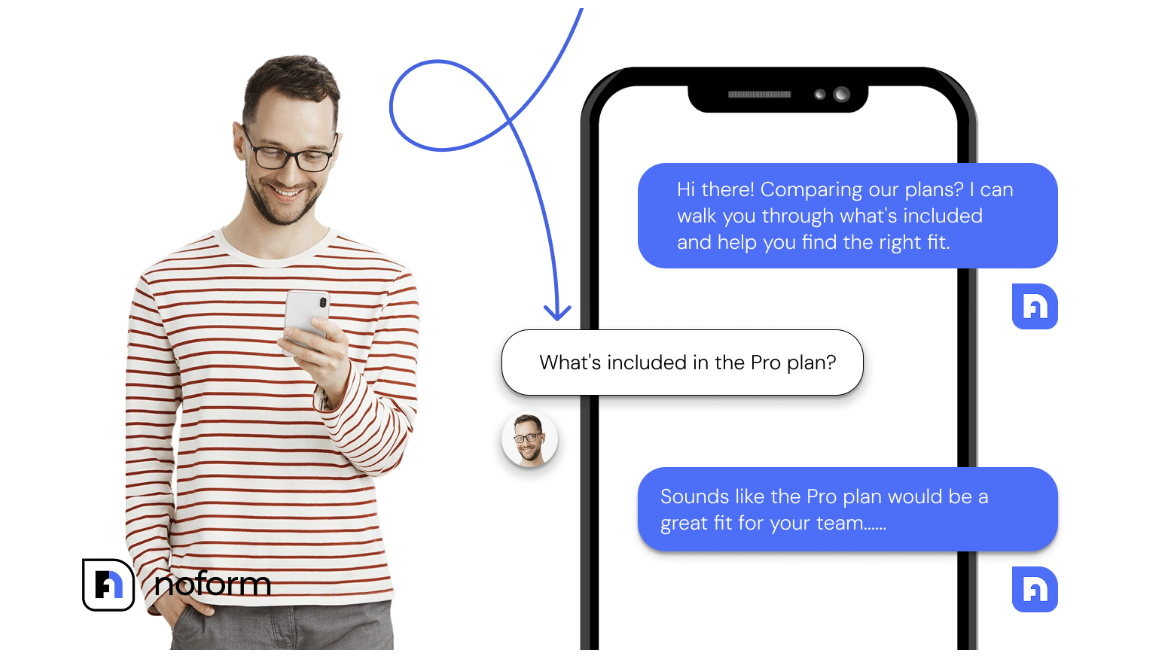
Rather than: “Tell us about your project.”
Visitors experience something like:
- What service are you interested in?
- What’s your estimated budget?
- When are you planning to start?
By the end of the exchange, the business doesn’t just receive contact details — it receives qualification data. Chatbots work because they feel dynamic. They reduce uncertainty, provide immediate feedback, and create a sense of progress rather than delay.
2. Interactive Tools That Deliver Value First
Another evolution beyond contact forms is the rise of interactive lead magnets.
Instead of hiding content behind a generic “Download now” form, businesses are offering tools that provide immediate insight before asking for details. Examples include:
- ROI calculators
- Cost estimators
- Industry readiness assessments
- Personalised recommendations
Why? Because users experienced value first.
When prospects feel informed and empowered, sharing contact details feels like a logical next step rather than a forced exchange.
3. Turning Everyday Emails into Lead Opportunities
Most companies invest heavily in website optimisation while ignoring one of their most frequent brand impressions: email.
Every message your team sends is a marketing asset.
With modern email signature software, businesses transform signatures into structured promotional space. Instead of just listing contact details, signatures can include:
- Branded banners
- Calls-to-action for webinars or events
- Links to booking calendars
- Product launch announcements
This approach works particularly well in B2B environments, where ongoing communication builds trust over time.
For example, a consultancy added a banner promoting a free strategy session to every employee’s signature. Over six months, that small addition generated hundreds of clicks and dozens of qualified discovery calls — without additional advertising spend.
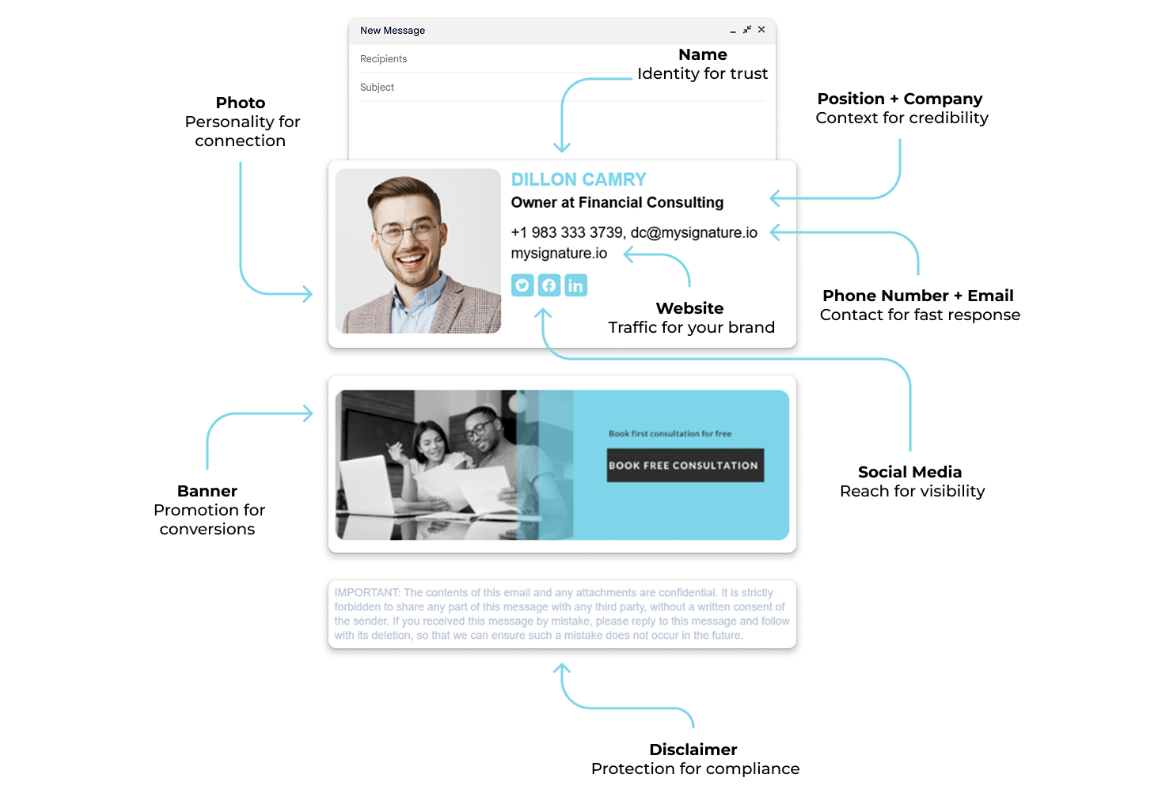
The key advantage is context. Recipients already know the sender. The interaction feels natural, not intrusive. Rather than waiting for someone to visit a contact page, you’re capturing interest directly within existing conversations.
4. Social Messaging and Automated DMs
Lead capture now happens across platforms — not just on websites.
LinkedIn messages, Instagram DMs, and Facebook interactions can be structured to collect interest in conversational ways. Automated replies triggered by keywords can:
- Deliver discount codes
- Share downloadable resources
- Direct users to booking pages
- Capture email addresses for follow-up
For B2B brands especially, LinkedIn conversations can act as pre-qualified entry points into the sales funnel. When messaging flows are designed strategically, they filter intent, segment prospects and reduce manual back-and-forth for sales teams.
Again, the pattern is consistent: conversation outperforms static forms.
5. Reinventing the Business Card for Modern Sales
Lead capture doesn’t begin and end on a website. Sales teams attending exhibitions, networking events, and client meetings often rely on printed business cards. The problem? Paper is passive. It depends entirely on the recipient taking action later.
A digital alternative, such as a sales representative business card, transforms that exchange into something immediate and measurable.
Instead of sharing only contact details, sales professionals can provide:
- Direct booking links
- Case studies and portfolios
- Brochures and product pages
- Event-specific offers
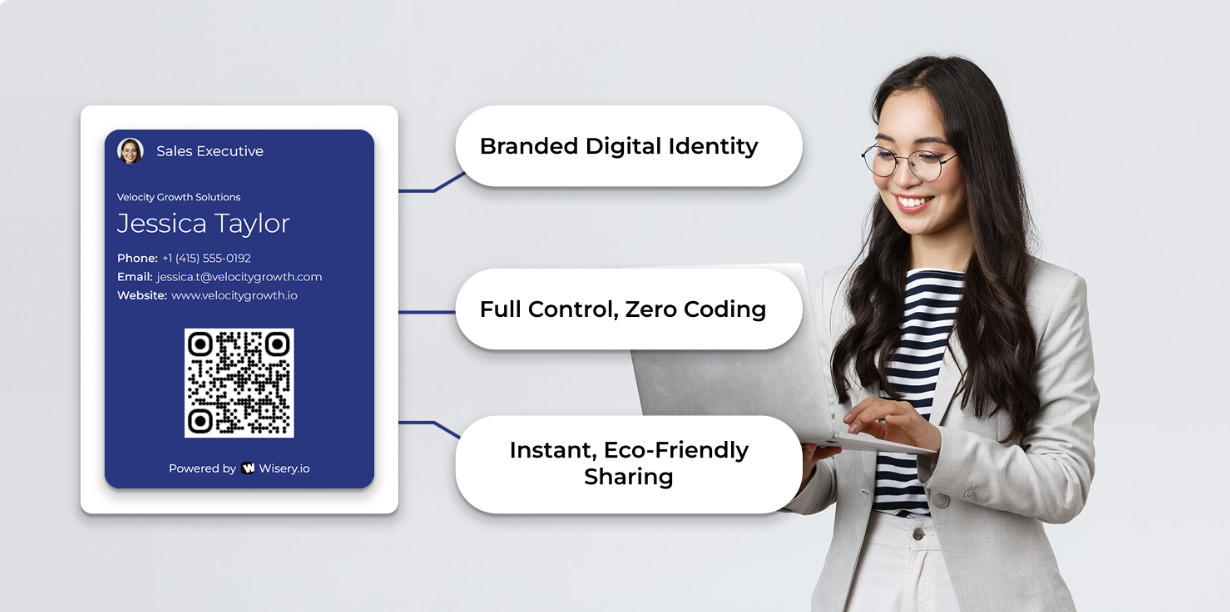
Digital business cards close the gap between conversation and conversion. They eliminate friction at the very moment interest is highest.
6. Intelligent Behavioural Prompts
Not all pop-ups are disruptive. When triggered by behaviour — such as exit intent, scroll depth or time spent on a page — prompts can recover visitors who might otherwise be lost.
For example, a training provider introduced an exit-intent message offering a free mini-course to users leaving the pricing page. Rather than losing those prospects entirely, they captured some of them into an email nurture sequence.
They also personalised the message based on the page being viewed. Visitors comparing premium packages saw a different offer than those browsing entry-level options, increasing relevance and improving conversion rates without increasing traffic spend.
Timing and relevance are critical. When prompts respond to user behaviour rather than randomly interrupt it, they enhance the experience rather than damage it.
Building a Multi-Touch Lead Capture Ecosystem
The most successful marketing strategies no longer rely on a single gateway.
Instead of treating lead capture as one form on one page, high-performing businesses build interconnected systems:
- Conversational assistants that qualify visitors
- Email signatures that promote current campaigns
- Digital business cards that convert in-person meetings
- Interactive tools that provide value upfront
- Booking systems that eliminate waiting
Each touchpoint supports the others, creating a unified experience rather than disconnected marketing tactics competing for attention.
A prospect might first click a banner in an email signature, explore the website, interact with a chatbot, and finally book a meeting directly. That journey feels seamless because every step reduces friction and builds momentum towards a confident buying decision.
Forms Aren’t Dead — But They’re Not Enough
Contact forms still serve a purpose, particularly for general enquiries and support requests.
But as a primary lead generation strategy, they’re increasingly limited. Modern buyers expect immediacy, personalisation, and clarity. They don’t want to “submit and wait.” They want to engage, explore, and act.
Smarter lead capture systems meet them where they are — in conversation, in inboxes, at events, and across digital platforms. The businesses that adapt aren’t just collecting more leads.
They’re starting better conversations — and converting them faster.
































