




In This Article
Each year, almost 60% of American SMBs fall victim to cyberattacks. Many of these attacks happened on social media, a vulnerable yet invaluable tool to any business.
A hacked social account has the potential to throw your business’s operations into chaos. Therefore, the smartest strategy is to prevent a hack in the first place. Unfortunately, it is easier said than done. If your business does fall victim, you’ll need a fast and organised strategy to recover.
Secure the Account Right Away
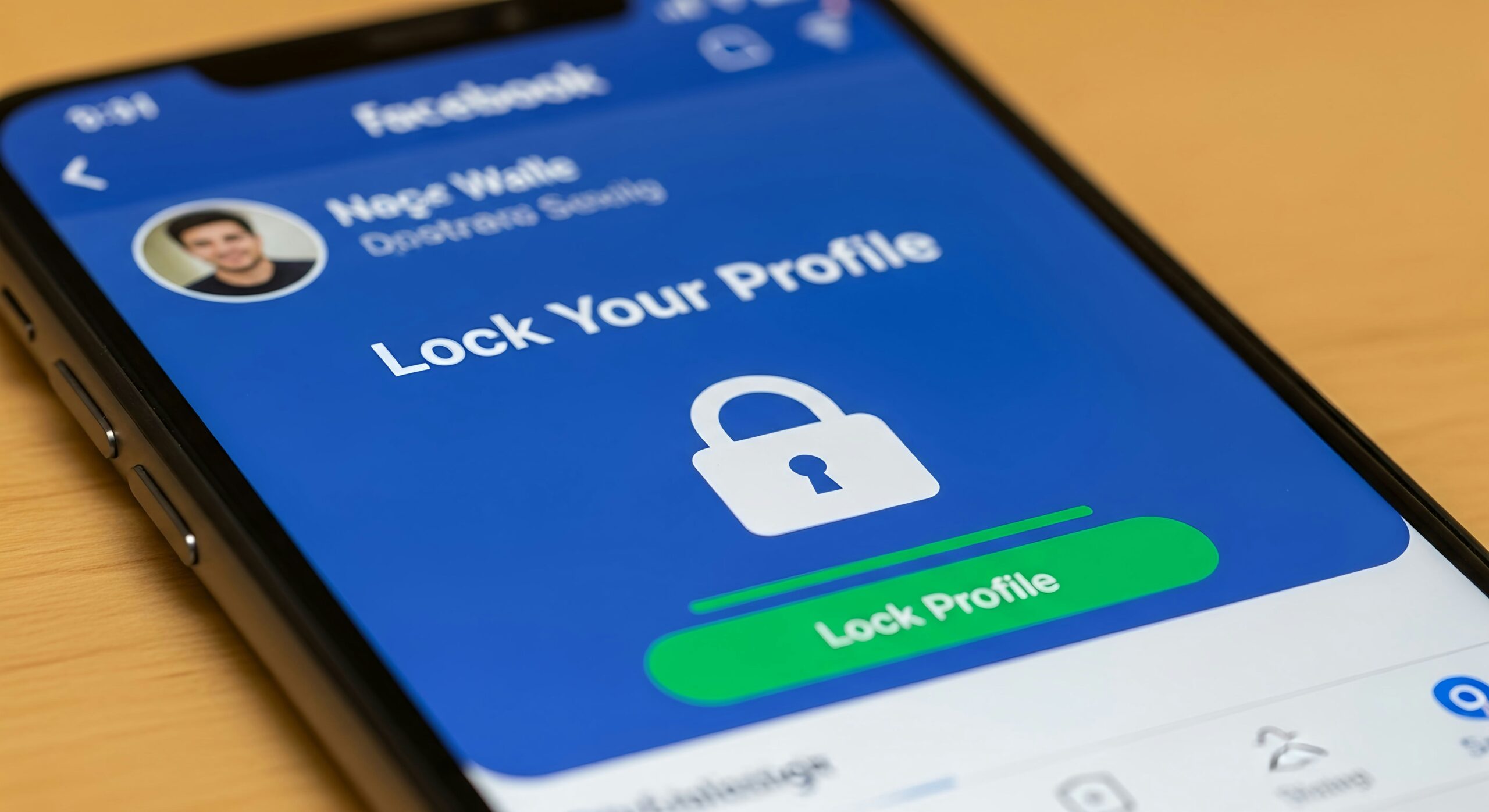
The first and most important way to deal with a business social media hack is to act as soon as you notice something suspicious.
Start with a full password reset for every team member who manages the account. It’s crucial to create strong and unique passwords that don’t resemble older ones, preferably through a password manager. This approach ensures your passwords stay strong and unique, without you having to remember each one. Make sure you update all passwords across every connected tool, including schedulers, CRMs, advertisement dashboards, and any other services you use.
Two-factor authentication is going to be invaluable, too. Of course, a fresh password still helps, but one-time authentication codes stop intruders when they rely on stolen login details.
The hacker may have changed the recovery email or phone number to prevent you from resecuring your account. Don’t panic — simply choose the platform’s identity verification option. Facebook, Instagram, TikTok, YouTube, and other major platforms offer recovery steps that help you regain access fast.
Monitor for Identity Fraud After a Breach
Hackers aren’t interested in trolling your customers and followers on social media. Rather, they hack business accounts to access internal documents and contact details, setting them up for an identity theft attempt. Even after you’ve secured your account, you need to remain vigilant of signs of identity fraud. Consider using credit monitoring tools, which send alerts if someone tries to open accounts or submit credit applications in your name.
Monitoring for identity fraud is particularly important if your business buys ads through social platforms. When your details enter stolen-credential markets, they spread widely, so quick alerts can help you freeze credit and protect your identity.
Check What the Attacker Accessed
You may spot a hacked feed quickly, but you still need to investigate other areas of your account. Review everything, such as your:
- Private messages
- Ad account settings
- Connected integrations
- Saved payment methods
- Exported data
Look for signs of tampering, such as unread messages marked as read, as well as data export logs and new admin roles. Your business likely stores more information in its accounts than you realize, so do your due diligence to assess present risks.
Notify Clients and Stakeholders
One of the most significant risks from a business social media hacker is hackers contacting your business partners. They might do this to change your payment details or commit credit fraud. Therefore, you should inform your partners immediately, outlining the details of the breach. Yes, it’s embarrassing, but transparency is the best way to prevent them from falling victim.
Make sure you conduct the previous step of reviewing access breaches first; that way, you can explain everything that has happened. Otherwise, partners may see your team as an unreliable business risk if you approach them with uncertainties.
Report the Breach to the Platform
Submit an official report to the platform’s security team as soon as you secure control. The platform will be able to track patterns of malicious activity, restricting related accounts and providing extra recovery tools. When preparing your report, be sure to include screenshots, timestamps, suspicious links, and copies of any email alerts. The more documentation you can provide, the more likely the platform will be able to help.
Contact Law Enforcement When Money Is Involved
As we mentioned earlier, one of the most significant risks of business social media hacking is financial fraud. If the attacker contacted your partners with payment requests or account detail changes, you need to file a police report.
Don’t hesitate to contact the FBI’s Internet Crime Complaint Center (IC3). They accept reports from all business sizes and have immense resources to help you. As with your social media platform report, include all the documentation you can, because these records help investigators track the criminals and support broader investigations.
Tell Your Followers What Happened
Next, it’s time to address your customers and followers. It’s possible that the hackers created posts on your accounts, perhaps in the form of phishing attempts. No matter what the hacker posted, your customers need clarity on the situation, and remaining silent is only going to reduce trust. Post a short update that confirms the breach and warns followers about fake messages. You can direct them to your official site or email if they need help.
By now, you should have locked down your account. However, if the attacker keeps posting, take actions to limit visibility where possible. Some platforms allow temporary restrictions while you work through recovery, enabling you to revoke permissions for any third-party apps until you stabilize the account.
Remove Unused Access Points
You should have now handled all of the urgent issues from a business social hack, but there’s still more work to do. Take time to clean up your account’s structure; many breaches succeed because someone left a login active on a lost device or forgot to disconnect a third-party app.
Take these steps:
- Remove old or unused integrations
- Revoke access for former employees
- Confirm that the main admin account belongs to a current, trusted team member
- Update software on every device used to manage the account
Preparing Your Future Recovery Plan
If a breach had already occurred, recovery was no doubt chaotic and rushed. However, the steps laid out in this guide should put your business back on the path to normal operations. In the future, it would be wise to have a clear plan so that you can take faster and more controlled action.
Share This Article
About the Author: Alice Little































