





In This Article
Unlike social media algorithms, which decide who will see your post, email is an owned channel, so when someone subscribes to your newsletter, you have a direct connection with them. For small and medium-sized businesses, charities, and non-profits, email is a great way to grow.
But your emails have to reach someone who will read them, right? Here, you need a contact base. Your email marketing effectiveness doesn’t depend only on how large your mailing list is, but also on how healthy it is. When you have a well-built, permission-based contact base, you are more likely to benefit from higher open rates, stronger engagement, and better deliverability. With a poorly-built mailing list, even the most beautiful email will land with people who never asked to hear from you or never reach the inbox at all.
In this article, we will expand on the importance of a permission-based mailing list, give some tips on how to motivate people to subscribe to your newsletter, and explain how the email experience you offer affects contact base growth.
Start with Permission: Building a List the Right Way
The process of building any contact base must start with a single non-negotiable point: permission. Each person subscribing to your newsletter should do so willingly and agree to receive your emails. It’s a legal requirement, but it’s also your foundation to build transparent and long-term relationships with your subscribers.
- Why buying lists hurts trust, reputation, and results
This approach may seem tempting as it’s an easy and quick way to enrich your audience, but it always backfires. You start sending emails to people who don’t know anything about your company and haven’t actually chosen to hear from you. Then, you will notice low open rates, poor engagement, and spam complaints. Finally, it will harm your email reputation and deliverability. As a result, even your permission-based emails will stop reaching their recipients.
- Consent-based growth and GDPR-friendly practices
Remember that people should actively opt in to start receiving emails from you. They can do it through a signup form on your website, a donation form, a content download, or while registering for an event. From a GDPR perspective, you should receive clear consent and provide a clear purpose, along with the ability to opt out at any time. Simply put, you should avoid pre-checked boxes, ensure double opt-in (when users should confirm their subscription via email), and include an unsubscribe link.
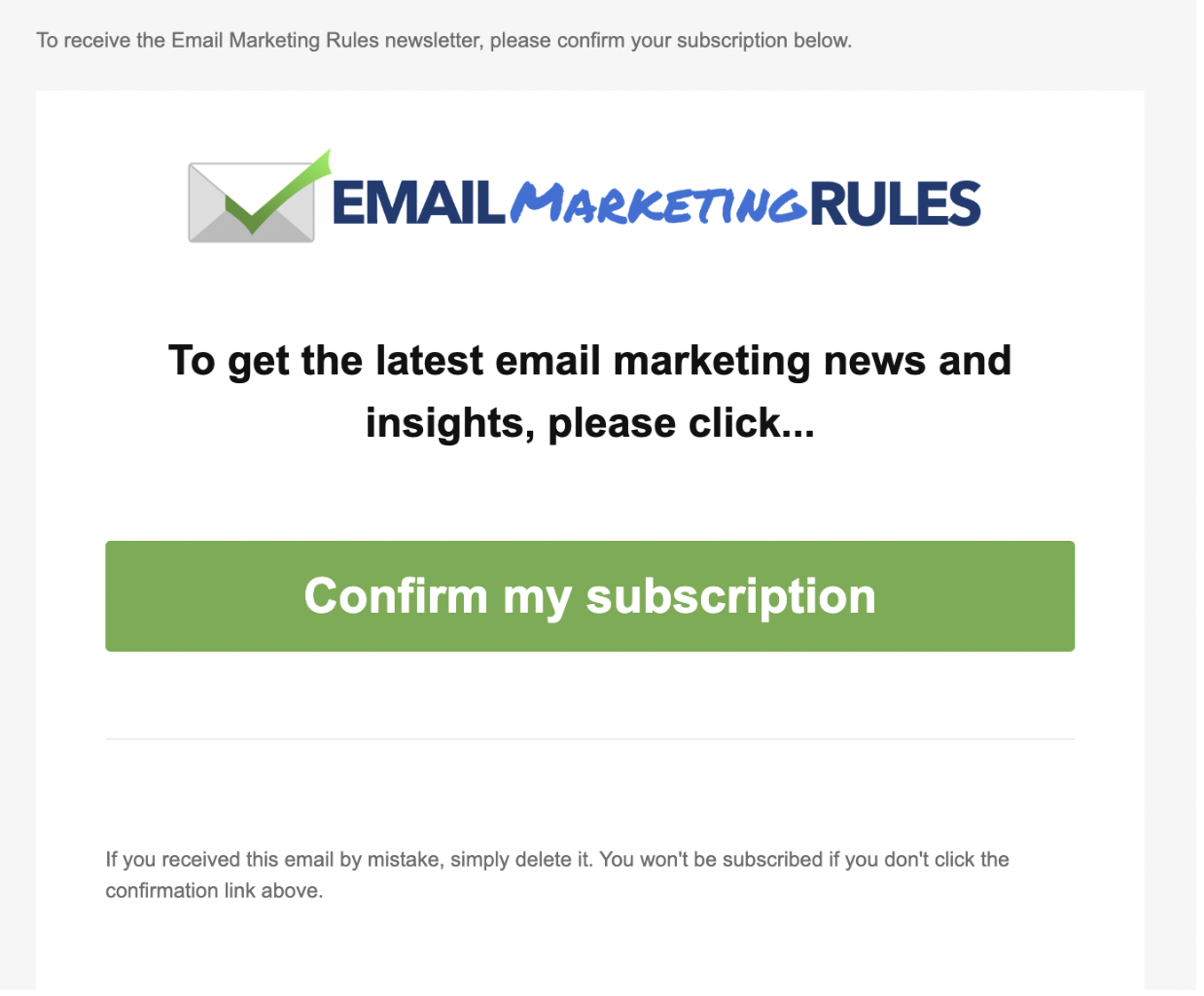
(Source: Email from Email Marketing Rules)
How to Make Sign-Ups Worth It and Motivate People to Subscribe
Placing a subscription form on your website and hoping for subscribers to join you is good, but it’s not enough today, since people are careful who they invite to their inboxes. It’s especially true for small business customers and supporters of non-profits, as they already get more emails every day than the average person.
There are some ways to communicate value and make your sign-up feel worth the commitment. The good news is that it’s not all about complex funnels or aggressive tactics. Here, we will mostly focus on offering something useful to your future subscribers and being transparent about what to expect from your emails.
- Practical incentives that work for small teams
It’s more tempting to share your email address when you understand that you can get something truly useful in return:
- For small and medium-sized businesses, simple and relevant incentives can become a gentle nudge to motivate people to subscribe. But don’t make these materials merely a marketing noise if you don’t want to scare off your potential customers.
- If you manage email campaigns for commercial brands and local businesses, think about lead magnets like guides, checklists, templates, or short how-to materials. Subscriber-only discounts, early access to your new products or services, or exclusive offers also work well as long as they provide real value.
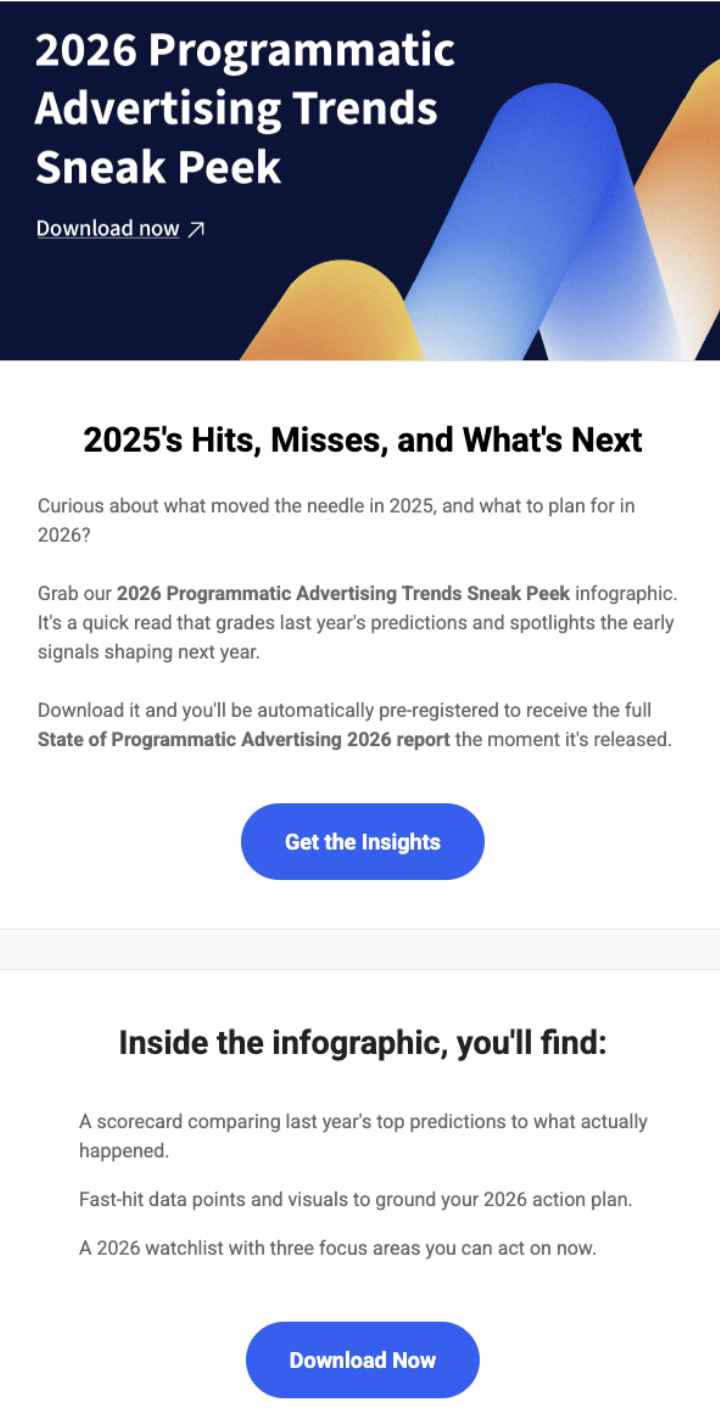
(Source: Email from MarketingProfs Update)
- For charities and non-profits, it’s better to consider something more purpose-driven than a simple discount. Motivate supporters with exclusive access to impact reports, behind-the-scenes stories, or early information about upcoming initiatives so they can join first. It’s a win-win strategy as you make your brand feel more trustworthy and subscribers remain connected to the cause.
Some businesses can also benefit from gamified sign-up experiences, such as spin-to-win, scratch cards, or gift boxes. According to statistics, the average conversion rate for gamified sign-up forms can reach 9.18% compared to the average 3.53% conversion rate for traditional sign-up forms.
- Clear expectations at signup to reduce unsubscribes later
You don’t want a new subscriber to click unsubscribe after the first few emails from you because of unmet expectations. That’s why it’s essential to set expectations in your welcome email to minimize frustration and form a more engaged audience.
When creating a welcome email sequence, don’t forget to mention how often you’ll email your subscribers, what content they can expect, and whether messages will be educational, promotional, or campaign-focused. Thus, people can make a well-thought-out decision and perceive your brand as a trustworthy one.
How Email Experience Affects List Growth
Once you’ve motivated people to join your contact base, you have another important task—to retain these subscribers. The way your emails look and feel shapes your brand image and how subscribers perceive your content. For small teams, we recommend focusing on clarity and consistency to grow a contact base instead of trying to do too much at once.
- Why poorly designed emails discourage long-term subscriptions
There are a lot of ways you can create friction for your readers: unscannable text paragraphs, unclear CTAs, broken layouts, poor color contrast, or just emails that don’t display well across devices. All of these can poison the well of the most educational content and valuable insights. When subscribers struggle to understand or interact with your message, they’re less likely to stay on your list, so always test your newsletters across different devices and email clients before sending.
- Mobile-friendly, readable layouts for busy audiences
Many of your subscribers read emails on their phones while commuting, taking lunch breaks, or just scrolling. What’s more, 41% of email opens come from mobile devices. When you optimize emails for mobile, you show recipients that you value their time and make your emails easy to interact with.
Make sure you opt for short text paragraphs, clear headings, and easily tappable buttons. It’s also a good idea to compress images for faster loading time and set line spacing to about 150% to make it easier for readers to track lines. The email size is also important, as when your newsletters exceed a certain size, Gmail clips them, so a recipient has to tap an extra button to view the entire content. To avoid clipping, keep your email ≈20 KB on iOS and up to 75 KB on other devices.
- Consistency and recognizability as trust-building factors
Consistency is a key ingredient that will help recipients recognize your emails in crowded inboxes much faster. Using familiar layouts, colors, tone of voice, or even characters, if you use storytelling, creates a sense of reliability. When your emails feel familiar and easy to interact with, subscribers will keep opening them, and this consistent engagement will support your healthy contact base growth.
Email Segmentation to Grow Smarter
Did you know that email segmentation can boost your open rates by 14.31% and enhance click-through rates by 100.95%? When your contact base grows, it becomes less and less effective to send the same message to everyone. With segmentation, you can adjust your communication to subscribers with different locations, interests, and needs.
- Segmentation ideas for SMBs and non-profits:
- Interests
This approach is a great way to send emails subscribers actually want to open and read. For example, if your small business offers several services, ask subscribers to choose what interests them most at signup (promotions, educational content, or product updates).
For non-profits, your recipients may be interested in advocacy updates, fundraising campaigns, or volunteer opportunities. Segmentation here is essential as volunteers may not want frequent donation appeals, while donors may value impact reports more.
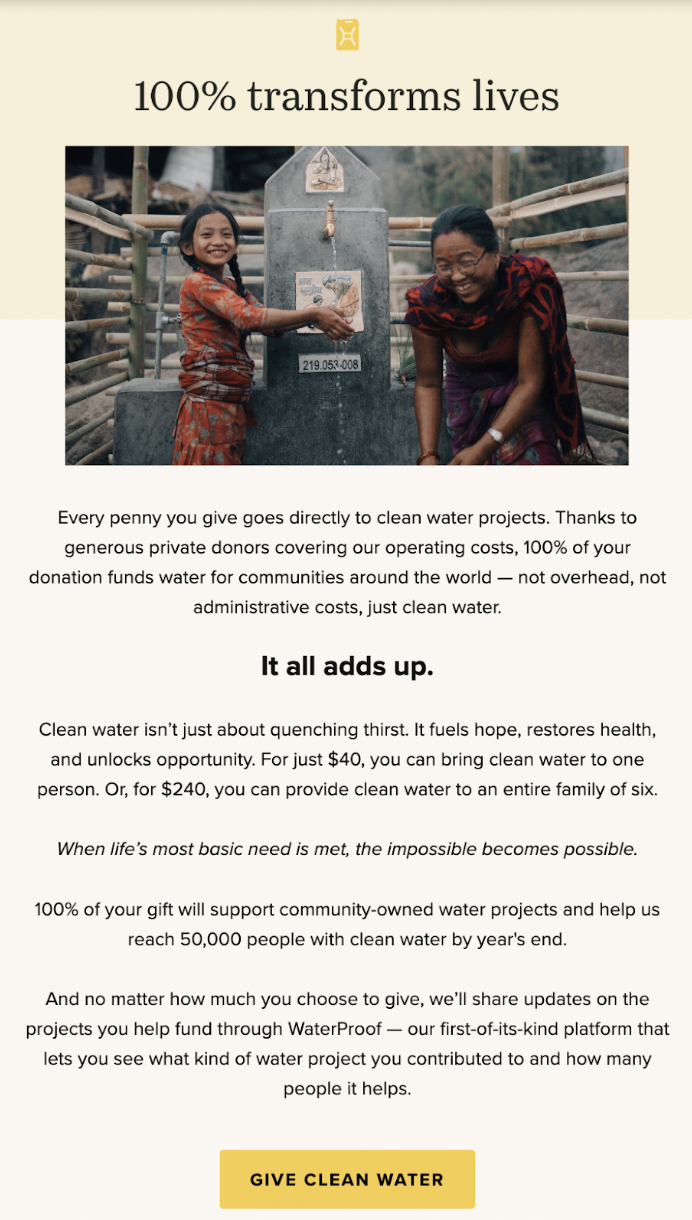
(Source: Email Love)
2) Location
If your contact base includes subscribers from across the world, you can also benefit from location-based segmentation. Your business can promote in-store events, regional offers, or location-specific opening hours, so it’s not likely that your subscriber from Rome will be interested in an email invitation for a cooking class in New York. And segmentation can solve this problem without overwhelming subscribers elsewhere.

(Source: Email Love)
The same is true for charities and non-profits; location data makes it easier to share local success stories, invite supporters to nearby events, or highlight regional impact.
- Relationship stage
Your subscribers are at different stages of their relationship with your business, and treating them accordingly is a way to boost engagement and grow your email list even more.
For example, new customers will be glad to receive tips on using your product or an onboarding sequence, while loyal ones will be interested in exclusive discounts or early access to new products or services.
If you manage email campaigns for a nonprofit organization, supporters may prefer updates, educational content, or stories that reinforce the mission. Volunteers, on the other hand, will find practical information, schedules, and appreciation messages more relevant. And donors will appreciate progress updates and reports on how their funds are used.
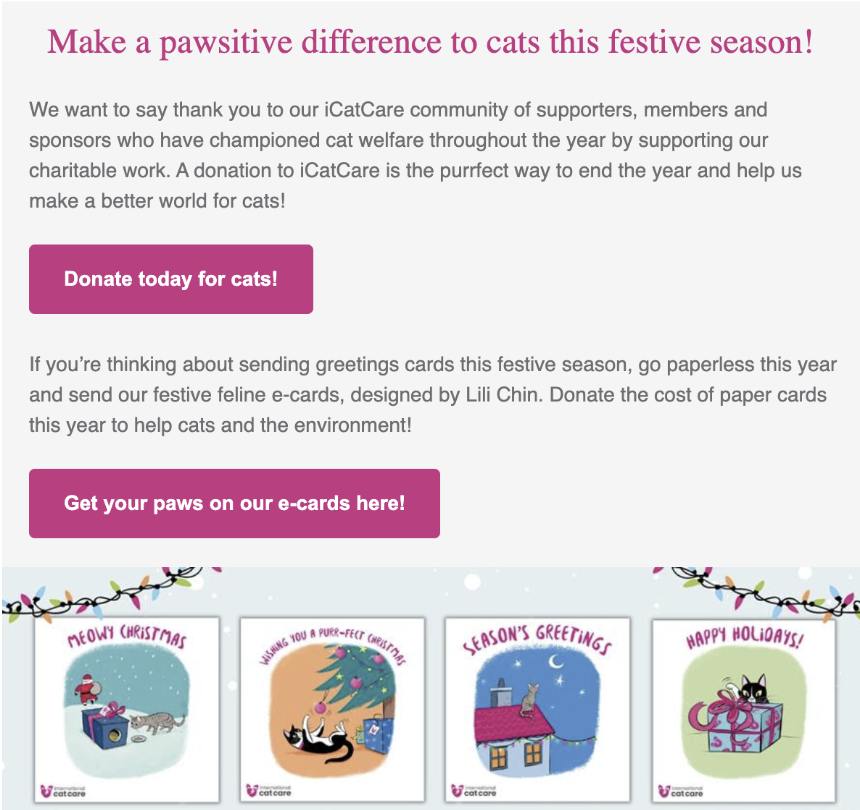
(Source: Email from International Cat Care)
- How relevant emails naturally lead to referrals and organic growth
When your subscribers know that you always provide content that feels relevant and respectful, they’re more likely to stay engaged and share your emails with others. Helpful resources, meaningful stories, or well-targeted updates are naturally forwarded within communities and networks. Eventually, such an approach supports organic list growth built on trust.
Wrapping Up: Build Relationships, Not Just Lists
Growing a top-notch contact base is not limited to collecting as many email addresses as possible. It’s more about building relationships with people who genuinely want to hear from you, especially when we are talking about small and medium-sized businesses, charities, and non-profits, where trust is a must.
Start with permission-based growth, relevant incentives, thoughtful design, and simple segmentation to offer subscribers a better experience and build a strong brand reputation. When you send emails that are relevant, easy to read, and aligned with expectations, engagement and contact base grow naturally.
Share This Article
About the Author: Olena Zinkovska































