




Keep reading
Rather we just did it for you?
Let's get your business seen.
Social media, websites, SEO and ads from a team you can actually meet.
There are 3.5 million heavy duty trucks on the road every day, and each one represents a tiny fraction of a massive coordination effort. Beyond simple hauling, a modern transportation company serves as the nervous system of the global economy. They synchronize moving parts across vast distances to keep shelves stocked and consumers happy.
But how exactly do they make it happen? And since it is a high stakes game where precision is the only way to survive the pressure, what helps them deliver? Let us scroll on to see.
Beyond Moving Freight from Point A to B
Modern logistics transportation providers function as strategic architects rather than simple drivers. They manage the complex flow of raw materials and finished goods while navigating shifting regulations and port congestion.
It is a task so crucial, it demands a constant balance between speed and cost management to keep supply chains fluid. It takes skill, the timing matters, professional oversight ensures the cargo arrives safely.
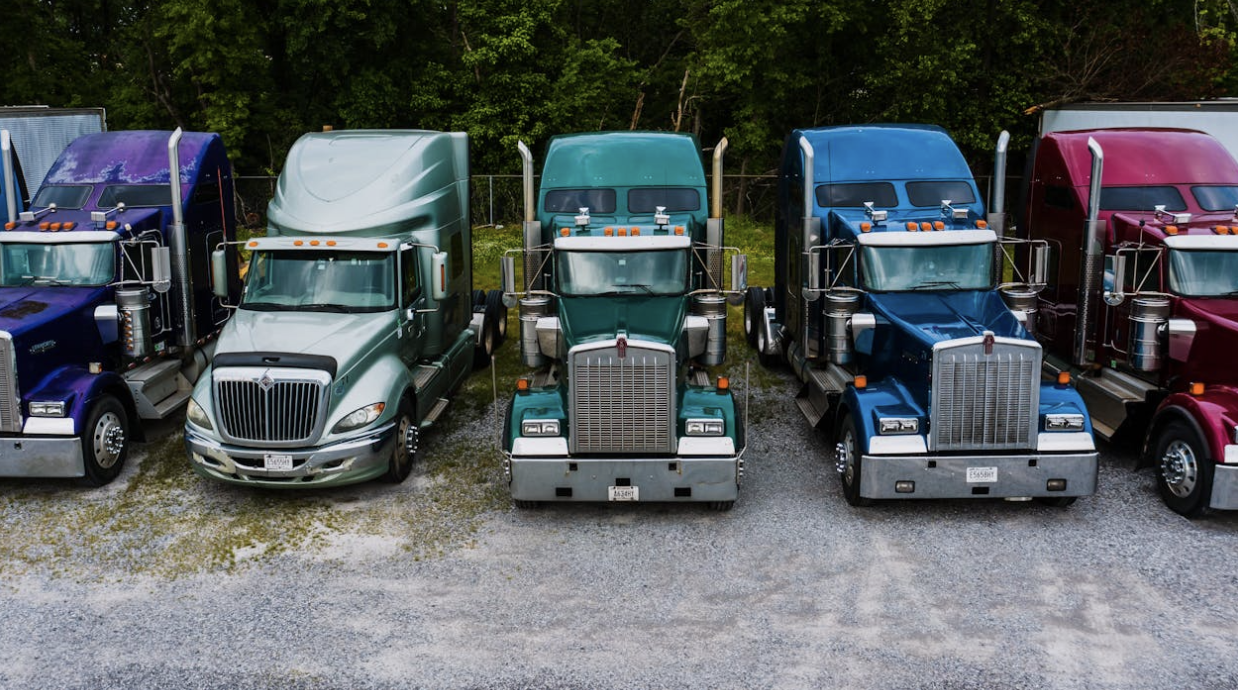
Image: pexels
Navigating the Spectrum of Specialized Shipping Services
Companies typically choose between Less than Truckload (LTL) or Full Truckload (FTL) based on their specific volume and urgency. Some providers also integrate services like freight brokerage, warehousing, and intermodal transport to create more flexible shipping solutions.
Understanding how these services come together is key when evaluating logistics partners—learning how to explore this transportation company provides insight into how modern providers structure multimodal operations, coordinate shipments, and support scalable supply chain strategies. Related reading: What Is Transportation And Logistics Management?
The Digital Backbone of Modern Transit Systems
Efficiency in the current market depends almost entirely on the quality of a firm’s transportation software and its ability to process data. Industry specific tools enable real-time route optimization and predictive maintenance that prevents costly delays or breakdowns before they happen.
- Telematics systems provide live location updates for every vehicle in the fleet
- Automated documentation reduces the time spent at checkpoints and borders
- Predictive analytics help managers anticipate weather delays or traffic spikes
Logistics providers use these insights to maintain a transparent window into the movement of goods. Data flows fast, systems talk constantly, visibility creates a much stronger sense of trust.
Orchestrating Multimodal Connectivity across Borders
The most effective transportation companies do not rely on a single mode of travel to get the job done. They expertly weave together road, rail, air, and sea routes, effectively bypassing regional bottlenecks and reducing carbon footprints.
And as industry experts note, logistics is now a strategic enabler of growth rather than just a back-office support function for global brands.
Managing Regulatory Compliance and Safety Standards
Every shipment must pass through a gauntlet of safety inspections and legal frameworks that vary by territory. Transportation providers take the lead on this by managing driver hours of service, hazardous material permits, and environmental impact reporting.
Here, specialized knowledge prevents legal delays that could otherwise stall an entire production line for weeks.
The Critical Cycle of Reverse Logistics
Modern transportation companies also manage the complex flow of returned goods and reusable packaging. This circular approach ensures that damaged products or expired inventory are efficiently recovered and processed. It minimizes waste while protecting the brand’s bottom line through smarter asset recovery.
Returns happen, speed saves value, efficient recovery protects the entire profit margin.
Future Proofing the Supply Chain Infrastructure
As consumer demands for faster delivery increase, the industry is shifting toward more resilient and diversified models. Many companies are now focusing on a total value model for logistics that prioritizes long term stability over the lowest possible immediate price.
This shift ensures that the physical movement of goods remains steady even during global economic shifts. Markets will change, capacity remains tight, reliable partners offer the only real stability.
Strengthening Your Logistics Network
The role of a transportation provider is expanding into a deep partnership that guides every phase of the product lifecycle. Successful businesses treat these companies as extensions of their own team to navigate the hurdles of modern commerce. Read more on our blog to see how these evolving logistics strategies can improve your bottom line.
































