




In This Article
Managing multiple social media platforms can feel like a full-time job. Brands are expected to stay visible on Instagram, LinkedIn, X, TikTok, and YouTube without burning through time or budget. That’s where cross-posting comes in.
Cross-posting on social media is the practice of sharing core content across different platforms, but with strategic tweaks to match each channel’s format, audience, and features. It’s not about copy-pasting. It’s about creating consistency while respecting the unique tone and behaviour of each space.
Done right, cross-posting expands reach, reduces content creation overhead, and helps teams stay consistent across channels. With 5.41 billion social media users globally as of July 2025, the opportunity to boost visibility through smart cross-posting is bigger than ever.
This article shares 7 actionable tips to help you do it right. Let’s break down what works, what doesn’t, and how to get more from every post.
7 Practical Tips to Increase Brand Visibility Through Cross-Posting on Social Media
To get the most out of cross-posting, it’s not enough to simply share the same content everywhere. You need to understand each platform’s strengths, your audience’s behaviour, and how to adapt content without losing consistency.
Here are seven actionable tips to guide your cross-posting strategy in 2026.
1. Know Your Audience Across Social Media Platforms
Cross-posting starts with understanding who you’re talking to. Each platform attracts a different demographic and user mindset. If you don’t tailor your message, your post risks falling flat.
Start by segmenting your audience based on the platform:
- TikTok and Instagram attract younger, mobile-first users looking for quick entertainment or inspiration.
- LinkedIn is used by professionals seeking insights, trends, and thought leadership.
- X (formerly Twitter) is built for real-time news, opinions, and fast interactions.
- YouTube serves longer attention spans, ideal for explainer videos or behind-the-scenes content.
Use analytics tools like Sprout Social or native dashboards to identify who engages, when, and with what type of content.
Adjust your tone accordingly. Keep it casual and visual for Instagram, professional for LinkedIn, and trend-driven for X. Different audiences respond to different aesthetics, so staying on top of current graphic design trends helps you tailor visuals that resonate on each platform.
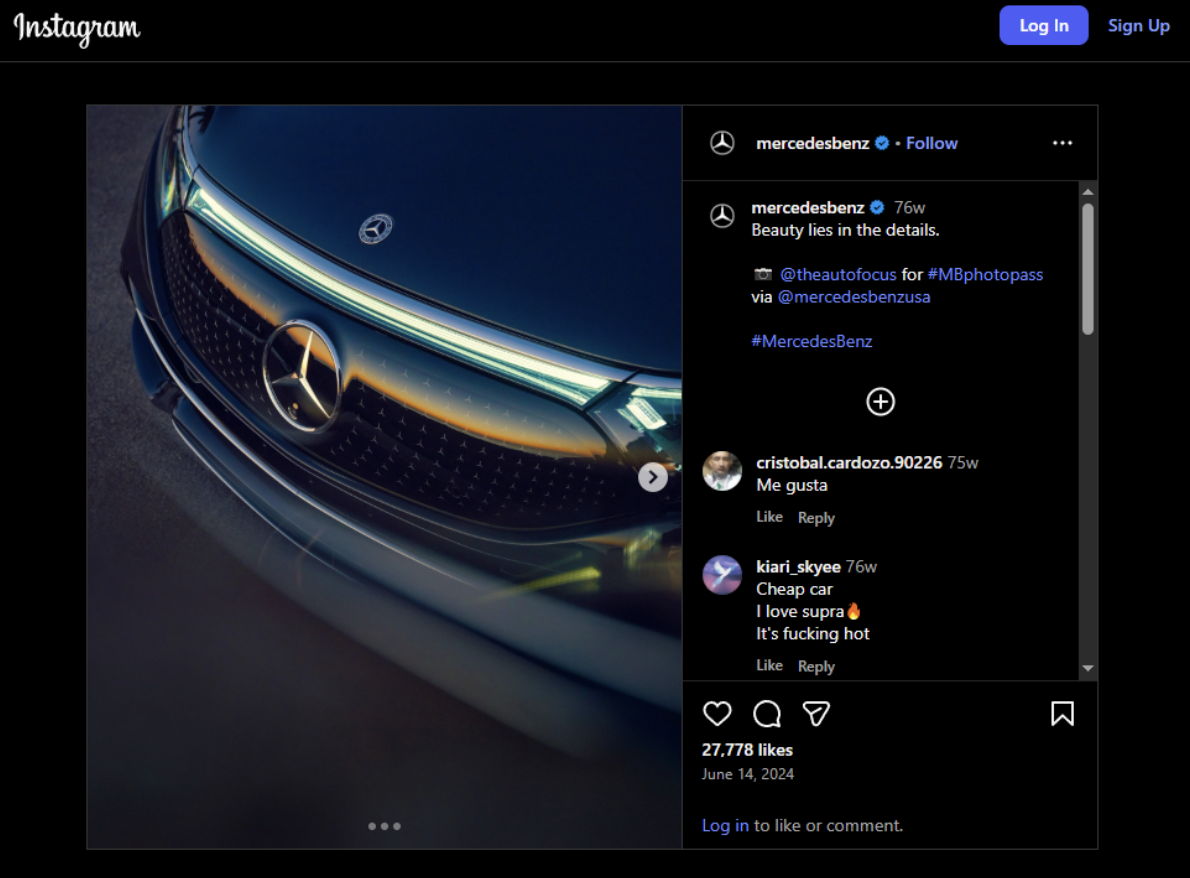
Mercedes-Benz’s 2024 revival of #MBPhotoPass used this exact strategy across Instagram and YouTube, resulting in strong reach and engagement by catering to each platform’s user behaviour.
2. Customise Content for Platform-Specific Features in Cross-Posting
Each platform has its own format, content length, and audience behaviour. Simply reposting the same creative across all channels often leads to lower engagement or even platform penalties. Instead, adapt your content to fit the environment.
Short-form platforms like TikTok or Instagram favour punchy, vertical videos with trending audio and minimal text. On X, you’ll need to trim it down further. Think byte-sized captions, 15 to 30-second clips, or one-liner hooks.
Meanwhile, LinkedIn rewards clarity and structure, so shift to a professional tone and use carousels, documents, or polls to start conversations. YouTube opens space for longer explainers or behind-the-scenes content.
Lay’s 2024 Do Us a Flavour campaign cross-posted UGC contests using Instagram Reels and Facebook Stories, each tailored visually to the platform. The result? Over 3 million submissions and widespread brand mentions across feeds.
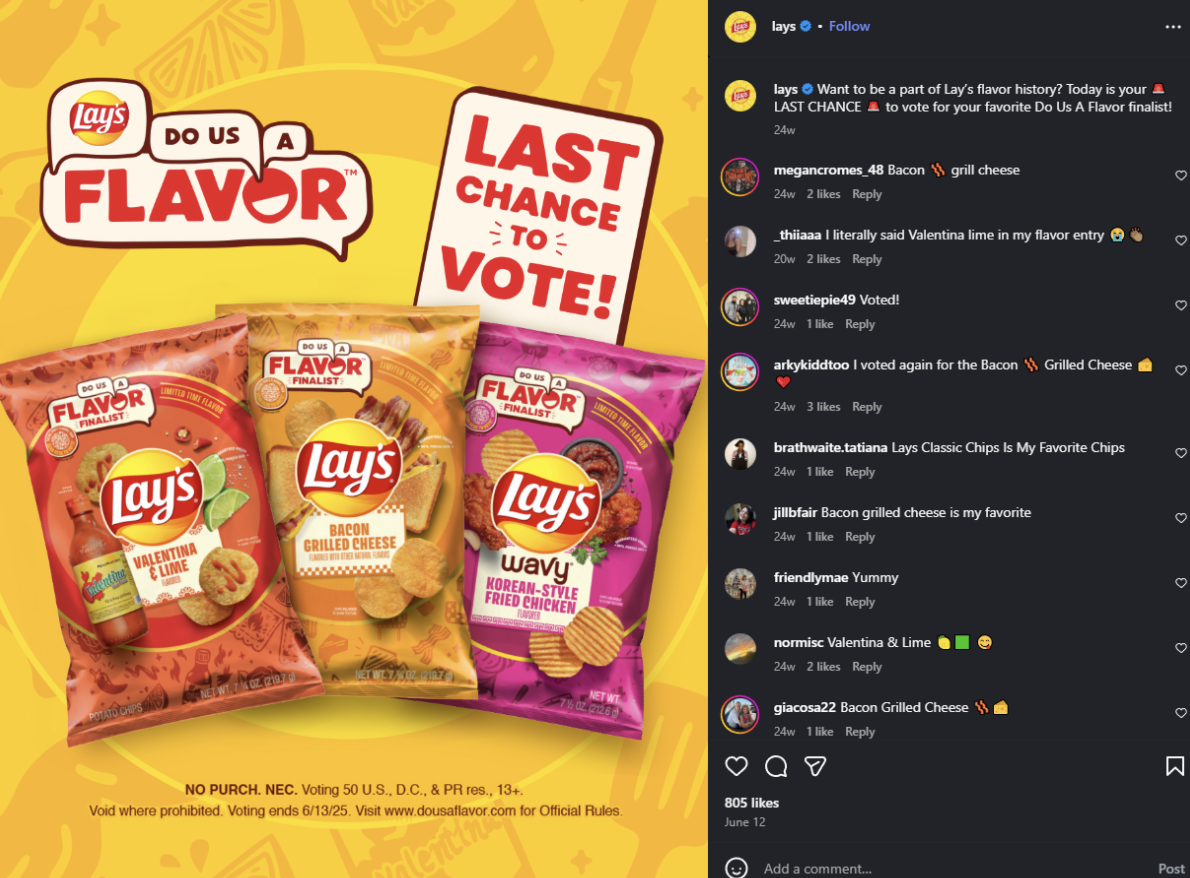
Customised content feels native, earns attention, and avoids sounding repetitive. That’s what makes cross-posting work.
3. Develop a Cross-Posting Calendar for Optimal Timing
Timing can make or break the impact of a post. Even the best content falls flat if it’s shared when your audience isn’t online. That’s why building a cross-posting calendar is critical. It brings structure, prevents overlap, and improves visibility across all channels.
Each platform has its own engagement window. According to Sprout Social’s 2025 data:
- LinkedIn sees peak engagement on weekdays between 9 a.m. and noon.
- TikTok activity spikes in the evening, particularly between 6 p.m. and 9 p.m.
- Instagram performs best around lunchtime or late evenings.
Stagger posts instead of publishing the same update everywhere at once. This reduces fatigue and allows each post to perform in its optimal time slot.
4. Optimize Visuals and Media for Cross-Platform Compatibility
No matter how strong your message is, poor visuals can hurt performance. Each social platform has its own technical standards for image size, video length, and orientation.
Cross-posting without adapting visuals often results in cropped images, blurry thumbnails, or content being cut off.
Stick to platform-specific guidelines to maintain quality and clarity:
- Instagram Stories and Reels: 1080×1920 (vertical)
- LinkedIn posts: 1200×627 (landscape), or 1:1 for carousels
- X (formerly Twitter): 1080×1350 for optimal visibility
- YouTube Shorts: 1920×1080 or vertical 9:16 for mobile users
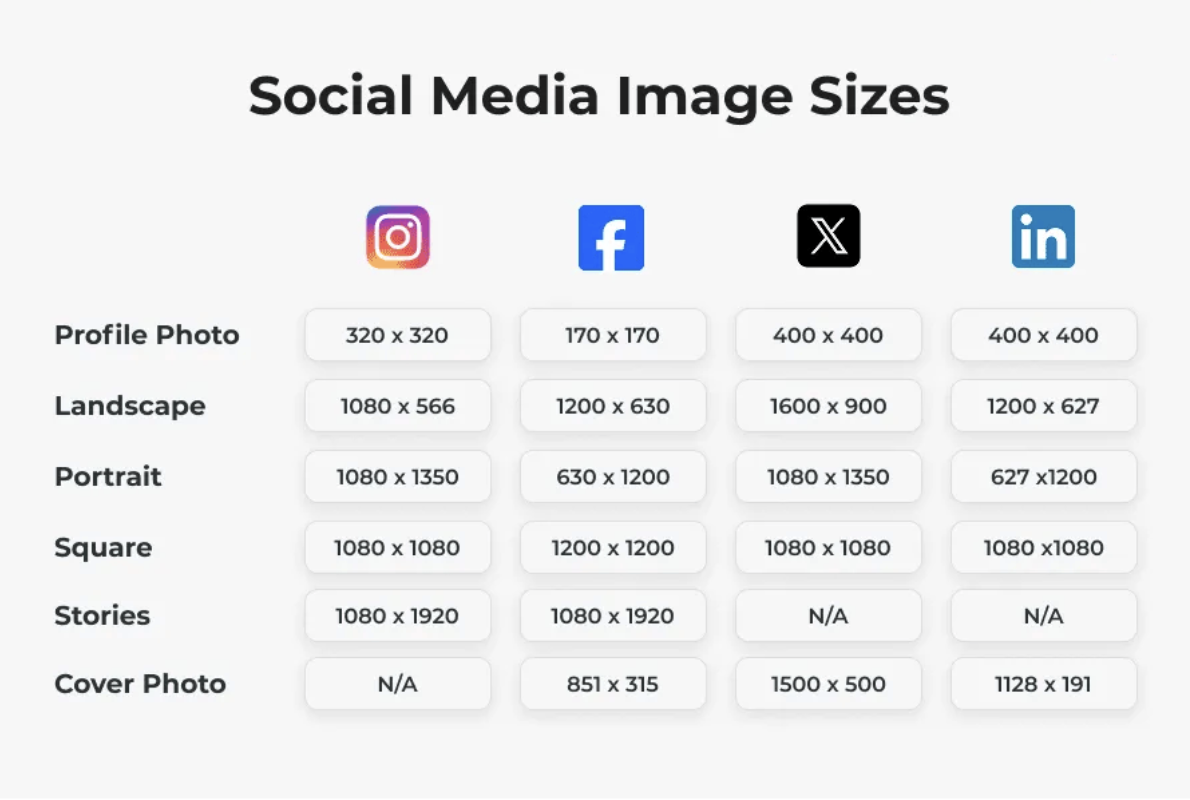
Always export visuals in high resolution to prevent compression, especially when using third-party social media scheduling tools. Before publishing, preview your visuals on each platform. This avoids awkward cropping or text cutoff, especially for story formats or post banners.
If you need ready-made, platform-optimized templates to keep visuals consistent across Instagram, LinkedIn, and YouTube, tools like Venngage’s infographic maker can help you quickly adapt graphics for each channel without redesigning from scratch.
5. Add Unique Elements to Each Cross-Posted Update
Cross-posting is efficient, but identical captions across platforms often feel robotic. Personalising each update, even slightly, keeps your content relevant and human. It signals that your brand understands the context and culture of the platform.
Use short questions or stats on X to encourage replies, and lean into storytelling with emojis and casual phrasing on Instagram. LinkedIn posts should be written with clarity and structured value. You can tap into trends, audio, or memes on TikTok to stay timely.
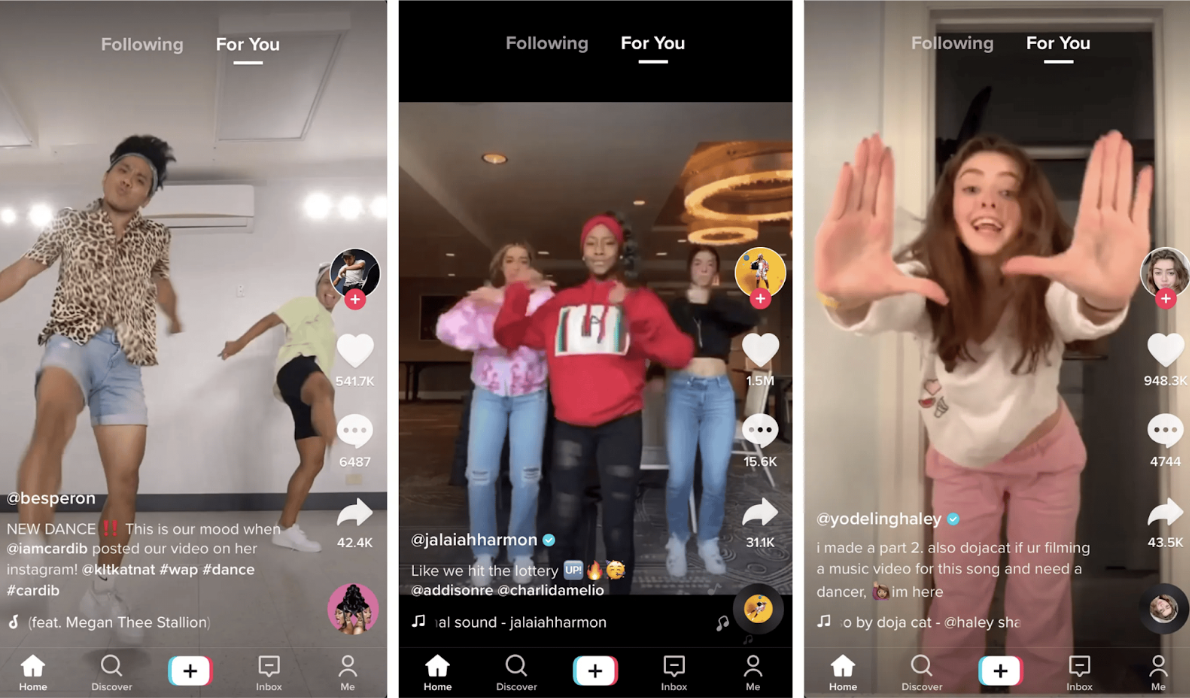
Even slight variations in captions or calls-to-action can make the same message feel native rather than recycled.
For example, a SaaS brand promoting a new feature can post a behind-the-scenes video with a funny caption on TikTok, a product benefit breakdown on LinkedIn, and a user poll on X. Each version adds something unique while keeping the core message consistent.
6. Utilize Automation Tools for Efficient Cross-Posting on Social Media
Manually posting across five or six platforms every day is not sustainable. Automation tools streamline your cross-posting workflow, helping you stay consistent without compromising quality. They also reduce human error and free up time to focus on improving copywriting skills, content strategy, engagement, and analysis.
Start with tools like Buffer, Planable, Later, or Hootsuite. These platforms let you schedule posts across multiple channels, auto-adjust formats, and suggest ideal times for publishing based on engagement history.
That said, automation shouldn’t make your brand feel robotic. Monitor comments, adjust messaging in real time, and avoid posting the exact same text everywhere. Small tweaks help preserve authenticity.
7. Monitor Performance Metrics After Cross-Posting
A strong cross-posting strategy relies on data. Once your posts go live, track performance to understand which platforms drive the most visibility and which formats resonate best. This helps you stop guesswork and adjust efforts where the results are clear.
Focus on these key metrics:
- Reach: Measures the number of unique users who saw your post. A higher reach means broader visibility. Useful for assessing top-of-funnel awareness.
- Engagement Rate: The percentage of users who interacted with your post (likes, comments, shares, saves). A rate between 1% to 5% is considered strong on most platforms.
- Click-Through Rate (CTR): Shows how many users clicked a link in your post. A CTR above 2% generally indicates strong interest.
- Conversions: Actions taken after the click—such as signups, purchases, or downloads. This ties content directly to business impact.
- Virality Rate: The ratio of shares to total impressions. Helps measure how widely your content spreads.
Let’s say your Instagram carousel reached 15,000 users, earned 1,200 likes and 300 link clicks. In this case, your engagement rate is 8% and CTR is 2%. That’s a strong signal the content format and timing worked.
Common Mistakes to Avoid in Cross-Posting
Even with the best tools and content, cross-posting can backfire if handled carelessly. Avoiding the following mistakes will help you stay consistent, engaging, and relevant across platforms.
Don’t Post the Same Content Everywhere at Once
Posting identical content across all platforms makes your brand feel repetitive. What works on X may not land the same on Instagram or LinkedIn. Adapt your visuals, tone, and captions to suit each platform’s audience and context.
Avoid Posting Too Frequently
Bombarding followers with multiple posts a day, especially across several channels can lead to fatigue and reduced engagement. Use a content calendar to space out posts and maintain steady visibility without overloading feeds.
Stay Updated on Algorithm Changes
Social platforms adjust their algorithms often. In 2025, for example, LinkedIn shifted toward prioritizing comments and saves over link clicks. Monitor these changes so your content remains optimized.
Don’t Ignore Engagement Opportunities
Cross-posting is not a set-it-and-forget-it strategy. If your audience is commenting or asking questions, respond quickly. Ignoring engagement can make your brand feel impersonal or automated.
Watch for Formatting and Link Issues
Broken links, cropped visuals, or outdated hashtags reduce credibility and visibility. Always preview posts before scheduling, and use platform-specific guidelines to avoid formatting mistakes.
Conclusion
Cross-posting on social media, when done right, can significantly improve your brand’s visibility without doubling your workload. The key is to adapt content for each platform, maintain a consistent schedule, and track performance to refine your approach. Small adjustments in timing, visuals, and tone can lead to meaningful gains across every channel.
Remember, the goal isn’t just to publish everywhere, but to stay relevant everywhere. With audiences scrolling across Instagram, LinkedIn, TikTok, and more, consistent yet platform-aware content helps your brand show up in the right place, at the right moment.
Now’s a good time to revisit your posting workflow, spot where it feels mechanical, and fine-tune it for both scale and substance.
Share This Article
About the Author: Penelope Klein































