




Keep reading
Rather we just did it for you?
Let's get your business seen.
Social media, websites, SEO and ads from a team you can actually meet.
If you’ve ever wondered how the TikTok algorithm decides which videos blow up and which ones stall, you’re not alone. It can feel like a mystery box, especially when you’re trying to grow a business rather than just scroll for fun. The good news is that while TikTok keeps its exact recipe under lock and key, we know enough about the ingredients to help you cook up content that actually gets seen. This guide breaks down how the TikTok algorithm works in 2026, including the unconfirmed point system that industry experts talk about, and gives you practical steps to reach the right UK audience. No jargon, no guesswork, just a clear path to understanding the system that powers the For You Page.
Table of Contents
- What Is the TikTok Algorithm? (And Why It’s Different)
- The Core Ranking Signals (The “Point System” Explained)
- What the Algorithm Ignores (And What It Penalises)
- How to Stay Ahead of the Game in 2026
- Common Myths About the TikTok Algorithm (Debunked)
- How We Help UK Businesses Master the Algorithm
- Final Thoughts
What Is the TikTok Algorithm? (And Why It’s Different)
The TikTok algorithm is a content recommendation engine, not a follower-based distribution system. When you open the app, you land on the For You Page, a personalised feed that serves videos the algorithm predicts you’ll enjoy. Every user’s FYP is unique because the system analyses thousands of signals per person to decide what to show next.
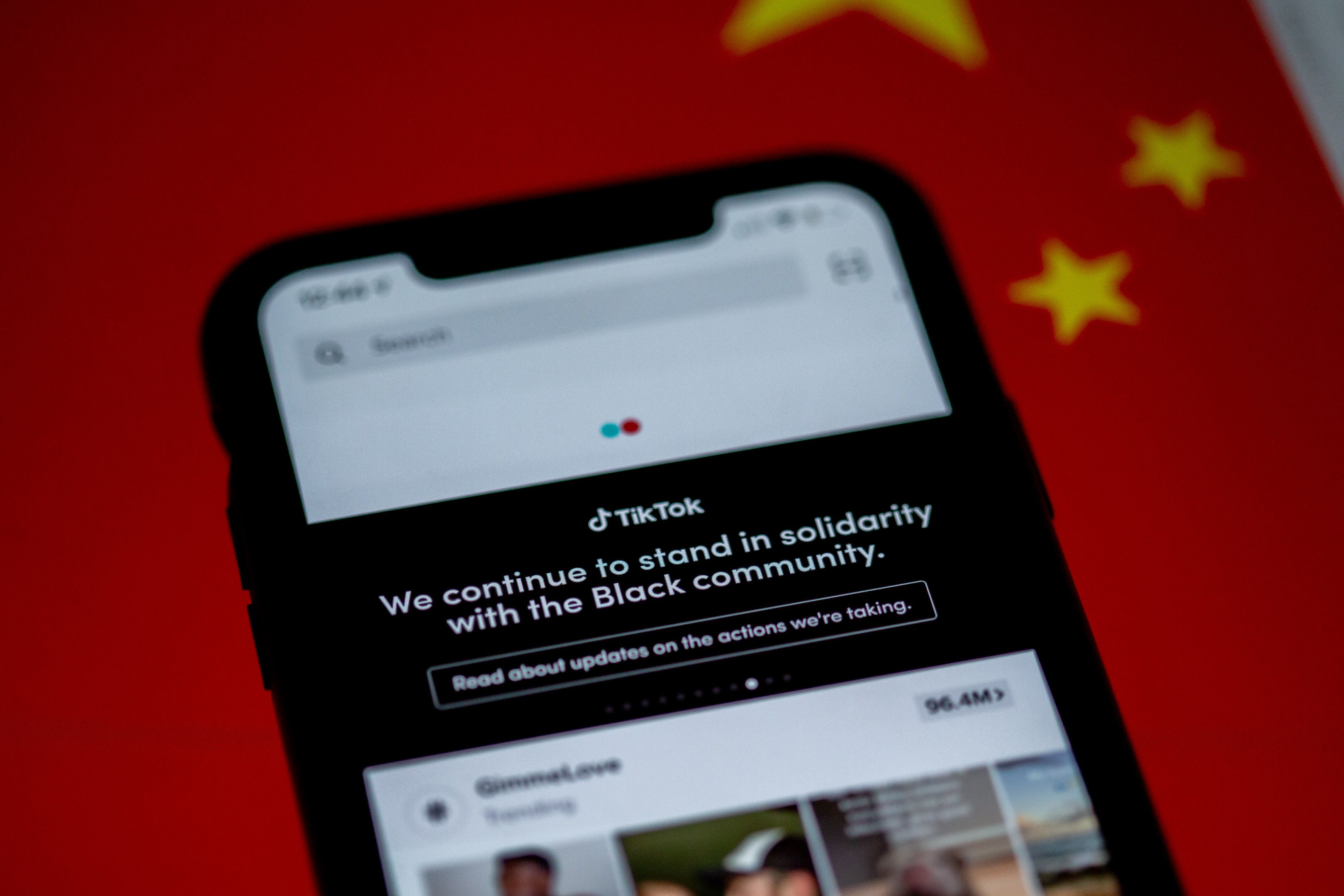
What sets TikTok apart from other platforms is how aggressively it tests predictions. Rather than waiting for you to follow someone or explicitly search for a topic, the algorithm proactively shows videos to small groups of users and gauges their reactions. If you’re a Formula One fan, for example, the system might test whether you’d also enjoy supercar restoration videos. It pushes boundaries to discover new interests, which is why the app feels so addictive and why content from accounts you’ve never heard of can suddenly dominate your feed.
Crucially, the algorithm doesn’t care about your follower count or whether your last video went viral. Every new post gets served to at least one person on the For You Page, giving every creator a fair shot. TikTok has never released its full algorithm, and no social network ever does, but official statements and extensive industry research have revealed the strongest signals that influence what gets recommended.
The Core Ranking Signals (The “Point System” Explained)
You’ll often hear creators talk about a TikTok “point system,” where each action a viewer takes adds points to a video’s score. TikTok hasn’t publicly confirmed any specific numerical weighting, but the concept of weighted signals is widely acknowledged. Think of it less as a precise scoreboard and more as a hierarchy of importance. Some actions carry far more weight than others, and understanding this ranking helps you prioritise what matters.
Watch Time and Completion Rate (The Heavyweights)
Watch time and completion rate are the strongest ranking signals in 2026. The algorithm rewards videos that keep users watching until the end, and it pays special attention when someone replays a video immediately after it finishes. A high completion rate tells TikTok that your content is valuable enough to hold attention, which prompts the system to push it to a wider audience.
This is why short, snappy videos often perform well: they’re easier to finish. But longer videos can also thrive if they open with a compelling hook that keeps retention high throughout. The key is holding attention, not just grabbing it for a split second. If viewers consistently drop off after the first two seconds, the algorithm takes that as a signal to stop recommending your video.
Saves and Shares (The 2026 Power Moves)

In 2026, saves and shares have overtaken simple likes in importance by a significant margin. A save signals deep value because it means someone wants to reference your content later, whether it’s a business tip, a tutorial, or a recipe they plan to try. Shares expand your video’s reach beyond the algorithm’s initial test group, exposing it to new audiences organically.
When someone saves your video, they’re essentially bookmarking it for future use. This is a strong indicator of lasting relevance, and the algorithm treats it as such. Encouraging saves doesn’t require begging; it happens naturally when your content is genuinely useful, surprising, or packed with information people want to remember.
Comments and Likes (Still Important, But Secondary)
Comments remain a valuable signal because they show active engagement and community building. The algorithm notices when conversations happen in your comment section, and it weighs the quality of those interactions more heavily than the raw number. A thoughtful question or a detailed response carries more weight than a string of emoji or a generic “nice.”
Likes are the lightest signal of all. They’re easy to give and don’t necessarily indicate deep interest. While a high like count still contributes to your video’s overall performance, it won’t move the needle nearly as much as a strong save or share rate. Focus your energy on creating content that sparks conversation and bookmarking behaviour rather than chasing quick double-taps.
Replays and Loops
If a user watches your video multiple times, the algorithm interprets this as a strong positive signal. This is why videos with a satisfying loop, a hidden detail that rewards rewatching, or a punchline that lands on the third viewing often get extra reach. Crafting content that invites a second watch, whether through clever editing or layered information, can give your video a meaningful boost.
What the Algorithm Ignores (And What It Penalises)
The TikTok algorithm resets for every single video you post. Your follower count and past viral hits don’t give your next upload a head start. A small account with zero followers can outrank a major brand if the content resonates with the initial test group. This is one of the most liberating aspects of the platform and one that catches many business owners by surprise.
Device and location settings are the weakest signals in the ranking system. They help with broad categorisation, such as showing UK users content from other UK creators or trending topics in their region, but they won’t make or break a video’s performance. Your content’s quality and engagement metrics matter far more than where you’re posting from.
The algorithm also actively avoids recommending certain types of content. Duplicate videos, spam, low-resolution uploads, and anything that violates Community Guidelines get suppressed or removed. Even content that’s technically allowed on the platform, such as weight loss advice or political material, may face limited recommendation. TikTok also restricts LIVE streaming and Gifts for users under 18.
There’s a common trap worth mentioning: posting multiple times a day with low-quality content can hurt your reach. The algorithm doesn’t penalise frequency directly, but it does penalise poor engagement. If you flood your profile with videos that nobody watches to the end, you’re sending a negative signal that can affect how your future content is tested.
How to Stay Ahead of the Game in 2026
Understanding the algorithm is half the battle. The other half is putting that knowledge into practice with a content strategy that aligns with what the system rewards. Here’s how to stay ahead in 2026 without chasing every fleeting trend.
Optimise for “Search Value”
TikTok now uses spoken words and text overlays to categorise and recommend content. This means your captions, on-screen text, and even the keywords you speak in your voiceover directly influence discoverability. If you’re a UK-based accountant, for example, naturally including phrases like “tax tips for small business owners” in your script and caption helps the algorithm understand who should see your video.
Treat your TikTok captions like mini SEO opportunities. Write them in plain English, include relevant keywords without stuffing, and make sure your on-screen text reinforces the topic. This approach also helps your content surface when users search within the app, which is becoming an increasingly common behaviour.
Create a Strong Hook in the First 1 to 3 Seconds
The algorithm tests initial interest almost instantly. If a user scrolls past your video in the first second, the system registers that as a negative signal and reduces how many others see it. Your opening moment needs to stop the scroll.
Start with a question that creates curiosity, a bold statement that challenges assumptions, or a visual that demands attention. Avoid slow intros, logos, or “wait for it” setups. The first frame should communicate exactly why someone should keep watching, and the rest of the video needs to deliver on that promise.
Use Trending Sounds and Hashtags (But Don’t Overdo It)
Trending audio remains a known signal for the algorithm. Using a popular sound helps your video get grouped with other content riding the same trend, increasing the chances of discovery. You don’t need to dance or lip-sync; you can layer a trending track quietly behind a voiceover or use it as background music for a product demonstration.
Hashtags help with categorisation, but three to five relevant ones work better than a long list. Avoid generic tags like #fyp or #viral, which TikTok has confirmed don’t boost reach. Instead, use specific hashtags that describe your content and industry, such as #UKSmallBusiness or #MarketingTips.
Post Consistently, Not Constantly
The algorithm favours accounts that post regularly over those that post ten times in one day and then disappear for a week. Aim for three to five quality posts per week rather than daily uploads of rushed content. A consistent cadence keeps your account active in the algorithm’s eyes without sacrificing quality.
Plan a content calendar that mixes educational, entertaining, and inspirational posts. This variety keeps the algorithm interested because different types of content appeal to different segments of your audience. A UK café might alternate between behind-the-scenes kitchen clips, customer testimonials, and quick recipe tutorials.
Engage With Your Niche Community
The algorithm notices when you reply to comments, duet with other creators, or participate in trends within your industry. Active engagement signals that you’re a genuine participant in the community rather than someone just broadcasting content.
Spend ten minutes a day engaging with content from similar UK businesses or industry leaders. Leave thoughtful comments, stitch relevant videos with your own perspective, and respond to every comment on your own posts. This builds the kind of two-way interaction the algorithm rewards.
Common Myths About the TikTok Algorithm (Debunked)
Myths spread quickly on TikTok, and algorithm advice is no exception. Let’s clear up a few persistent ones.
The idea that you need to post at a specific time for maximum reach is outdated. The algorithm shows your video to a test group first, and the quality of that initial engagement matters far more than the clock. A great video posted at 3 a.m. will still find its audience if the first viewers respond well.
Another common belief is that the algorithm is rigged against small accounts. The opposite is true. The For You Page is designed to surface new creators, and countless viral videos come from accounts with zero followers. Your content’s performance in that first test group determines its trajectory, not your existing audience size.
You’ve probably seen videos tagged with #fyp, but TikTok has confirmed this does nothing to boost reach. It’s a leftover myth from 2020 that refuses to die. The same goes for the fear that posting too much gets you penalised. The algorithm penalises low-quality content, not frequency. If every video you post is valuable and engaging, post as often as you like.
How We Help UK Businesses Master the Algorithm
Knowing how the TikTok algorithm works is one thing. Executing a consistent, high-quality content strategy while running a business is another entirely.
If you’d rather focus on running your business while a team handles the strategy, that’s where we come in. Our short form video content service is built around creating the exact type of videos the algorithm rewards, from attention-grabbing openings to retention-focused editing. For businesses that want ongoing support, our social media management covers everything from content planning to community engagement, keeping your TikTok presence active and aligned with what works in 2026.
The best way to get started is with a personalised conversation about your goals. Book a free social media clinic and we’ll talk through what the algorithm means for your specific industry, your current content, and where the biggest opportunities lie.
Final Thoughts
The TikTok algorithm rewards content that keeps people watching, saving, and sharing. It doesn’t care about your follower count, your past hits, or whether you have a big marketing budget. What matters is creating videos that resonate with real people, hold their attention, and give them a reason to come back.
Staying ahead isn’t about cracking a secret code. It’s about consistency, creativity, and understanding the signals that carry the most weight. The algorithm will continue to evolve, but the principles of great content don’t change. Start with one strong video today, focus on genuine value, and let the system do the rest.































