




In This Article
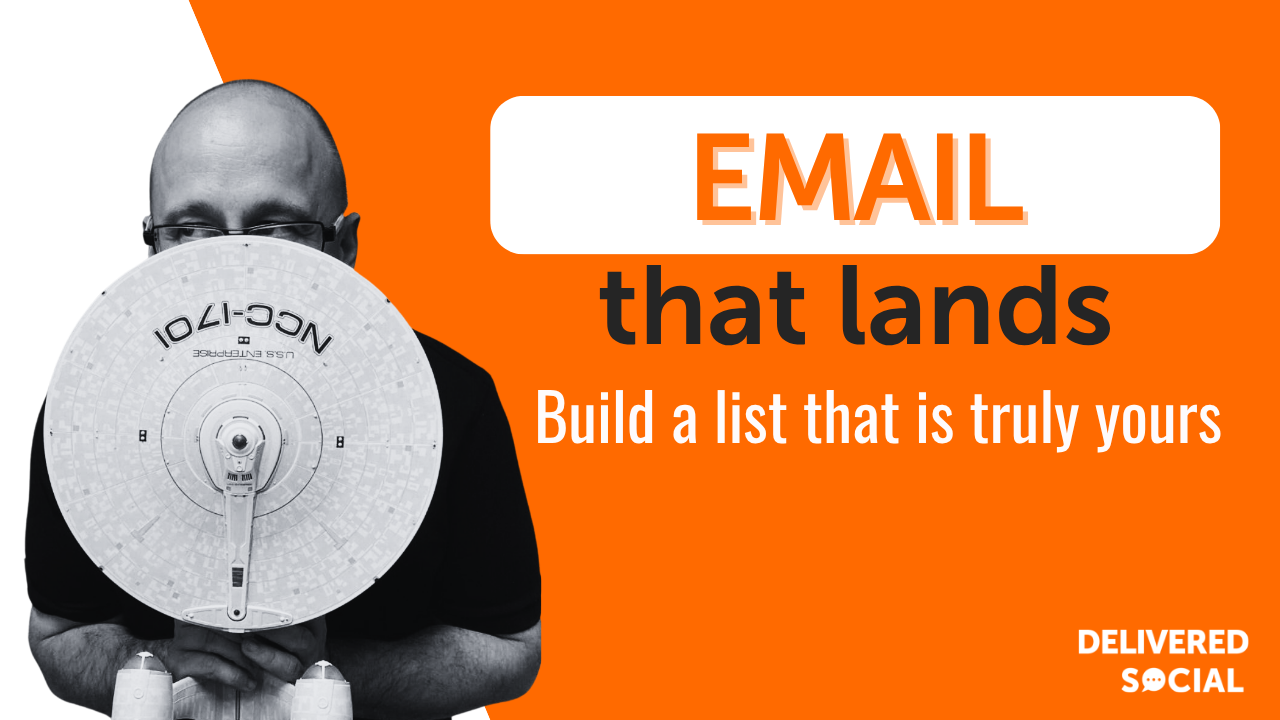
Social media platforms come and go, their rules change overnight, and one quiet algorithm tweak can wipe out your reach in a morning. An email list, on the other hand, is yours. It is a direct line to people who have actively said yes, I want to hear from you, and no platform can take it away or bury it. We say this to clients all the time: your followers are borrowed, but your email list is owned, and that difference makes it one of the most valuable assets a small business can build.
What an email list is, and why it beats chasing followers
An email list is simply a collection of people who have given you permission to email them, usually because they are interested in what you do. Unlike a social media following, you are not renting access to these people through a third party; you can reach them directly, whenever you like, without paying to be seen or hoping an algorithm smiles on you.
That ownership is the whole point. When you post on social media, a fraction of your followers ever see it; when you send an email, it lands in the inbox of everyone who signed up. For a small business trying to build steady, reliable relationships with customers, that direct and dependable connection is worth far more than a big number next to a follow button.

The benefits of building an email list from day one
An email list quietly does jobs that other channels struggle with. It nurtures people who are interested but not quite ready to buy, keeping you gently in mind until the moment is right. It brings past customers back, which is almost always cheaper than finding brand new ones. And it turns one-off buyers into regulars who feel they know you.
There is a financial angle too. Email consistently delivers one of the strongest returns of any marketing channel, precisely because you are talking to a warm audience who chose to hear from you. Start early, even with a handful of subscribers, and you give that asset time to grow into something genuinely powerful.
How to build an email list from scratch, step by step
You do not need thousands of subscribers or fancy software to begin. You need a reason for people to sign up, an easy way to do it, and the discipline to show up in the inbox. Work through these steps in order and you will have the foundations of a real, growing list.
Choose a simple email tool to hold your list
Before you collect a single address, pick a proper email marketing platform to store and send to your list. There are friendly, affordable options built for small businesses, many with free tiers to get you started. Please resist the temptation to email people from your personal inbox; a proper tool keeps you legal, organised and able to see what is working.
Create a reason worth signing up for
Nobody hands over their email address for the promise of a newsletter alone. Offer something genuinely useful in return, often called a lead magnet: a helpful checklist, a short guide, a discount code, a free template or early access to something. The better the offer matches what your ideal customer actually wants, the faster your list will grow.
Put sign-up forms where people can see them
A hidden form gathers no subscribers. Place clear, inviting sign-up boxes on your homepage, at the end of your blog posts, in your website footer and on a dedicated landing page you can link to everywhere. Make the ask simple and the benefit obvious, so people understand in a second what they get and why it is worth it.
Promote your list everywhere you show up
Treat your email list like something worth talking about, because it is. Mention it in your social media bios and posts, add a link in your email signature, point to it on your business cards, and remind people whenever it makes sense. Growth comes from consistent, gentle invitations rather than one big launch.
Actually email your list, and do it regularly
Collecting addresses is only half the job; the value comes from the relationship you build once people are there. Send helpful, human emails on a steady rhythm, whether that is weekly or monthly, so subscribers remember who you are and look forward to hearing from you. A list you never email quietly goes cold and forgets you.
Lead magnet ideas: a quick comparison
Different offers suit different businesses, so here is how a few popular options tend to compare:
- Checklists and templates: quick to create and easy to consume, which makes them brilliant for fast sign-ups; the trade-off is that they need to solve a real, specific problem to feel worth it.
- Discount codes: perfect for shops and product businesses because they nudge a first purchase; the downside is they can attract bargain hunters rather than long-term fans.
- Free guides or ebooks: great for showing expertise and building trust with considered buyers; they take more effort to produce and can feel heavy if overdone.
- Exclusive access or early bird offers: lovely for building a sense of community and loyalty; they work best once you already have something people are keen to be first in line for.
- Free tools or quizzes: highly engaging and very shareable when done well; the catch is that they usually need a bit more time or budget to build.
Best practices we share with clients all the time
A few habits keep your list healthy and your subscribers happy. Always get proper permission and make it easy to unsubscribe; a smaller list of people who want to hear from you beats a big one full of resentment. Welcome new subscribers straight away with a friendly first email, because that early moment is when interest is highest.
Write like a person, not a corporation, and give far more than you ask for, so people feel looked after rather than sold to. Keep your list tidy by occasionally removing addresses that never open anything, which improves your results and your sender reputation. And respect the inbox; it is a privilege to be there, so make every email earn its place.
Common mistakes that stall an email list
Plenty of businesses start a list and then wonder why it never grows. The most common mistake is making the sign-up offer too vague, so there is no real reason to hand over an address. Close behind is hiding the sign-up form somewhere nobody looks, then blaming the audience for not joining.
Other quiet killers include buying lists of strangers, which damages your reputation and rarely works, and collecting addresses then never emailing them until you suddenly want to sell something. Perhaps the biggest mistake is treating email as old-fashioned; it quietly outperforms flashier channels year after year, and ignoring it leaves real growth on the table.
Where email marketing is heading next
Email is getting smarter and more personal rather than fading away. Automation is making it easier for small teams to send the right message at the right moment, from a warm welcome sequence to a gentle nudge when someone leaves items in a basket. Done well, this feels thoughtful rather than robotic.
We are also seeing a move towards genuine personalisation, where emails reflect what someone actually cares about instead of blasting everyone with the same message. Artificial intelligence is starting to help with writing, timing and segmenting, though the winning ingredient stays the same: useful, human emails that people are glad to receive. The businesses that treat their list with respect will keep pulling ahead.
How do I start an email list with no subscribers?
Start exactly where you are, with zero subscribers and a single good offer. Set up a simple email tool, create one genuinely useful lead magnet, add a clear sign-up form to your website, and invite the people already around you, such as existing customers, contacts and social followers, to join. Every big list started at zero; the trick is to begin, then keep inviting consistently rather than waiting for the perfect moment.
How often should I email my list?
Regularly enough that people remember you, but not so often that you become a nuisance. For most small businesses, somewhere between weekly and monthly works well, and consistency matters more than frequency. The real test is value: if every email gives the reader something useful or enjoyable, they will happily hear from you often, whereas dull or salesy emails wear out their welcome fast.
Is email marketing still worth it for a small business?
Absolutely, and arguably more than ever. While social platforms limit your reach and change the rules without warning, your email list remains a direct, dependable line to people who chose to hear from you. For the modest cost of a decent email tool and a little time, it consistently delivers some of the best returns in marketing, which is exactly why we encourage every client to build one.
How do I get people to actually open my emails?
Getting into the inbox is only half the battle; getting opened is the rest. The single biggest lever is your subject line, which should be short, honest and spark a little curiosity or promise a clear benefit, rather than shouting or over-promising. Sending from a real, recognisable name helps too, because people open emails from those they trust. Beyond that, consistency does the quiet work: when your emails reliably deliver something useful, subscribers learn to open them out of habit. Pay attention to which subject lines and topics earn the most opens, then do more of what works. And always send at a time that suits your readers rather than you; a little testing soon reveals when your particular audience is most likely to be reaching for their phone.
Your email list checklist
Before you launch, run through this quick list and tick off what you have in place:
- A proper email tool: you have chosen a platform to store and send to your list safely and legally.
- A tempting offer: you have a lead magnet that solves a real problem for your ideal customer.
- Visible sign-up forms: clear forms sit on your homepage, blog and footer, plus a dedicated page.
- A welcome email: new subscribers get a warm, friendly hello straight away.
- A sending rhythm: you have a realistic plan to email regularly and consistently.
- Permission and respect: everyone opted in and can easily unsubscribe whenever they wish.
Contact Us
If building an email list from scratch feels like one job too many, we would love to take it off your plate. The team at Delivered Social helps small businesses set up, grow and nurture an email list that turns casual visitors into loyal, repeat customers. Get in touch with us today and let us help you build a marketing asset that is truly yours.
Share This Article
About the Author: Jonathan Bird































