



Keep reading
Rather we just did it for you?
Let's get your business seen.
Social media, websites, SEO and ads from a team you can actually meet.
If you have ever stared at a blank spreadsheet wondering how much to put aside for marketing, you are in very good company. Setting a marketing budget is one of the trickiest calls a small business owner makes; spend too little and nobody hears about you, spend too much and you are pouring money into channels that never pay you back. We say this to clients all the time: a marketing budget is not about how much you can afford to lose, it is about what you can afford to invest to grow, and knowing the difference changes everything.
What a marketing budget really is, and why every small business needs one
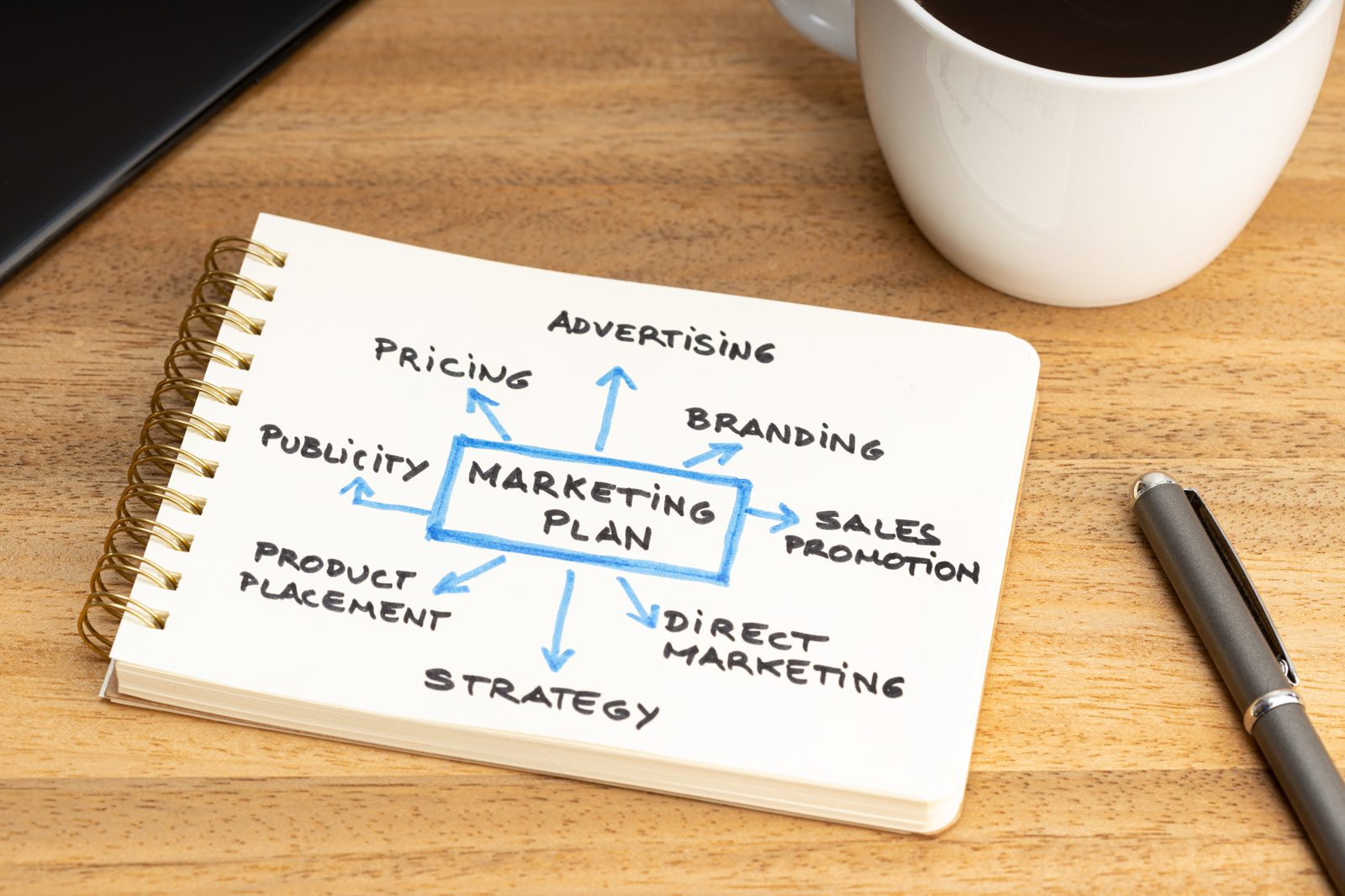
A marketing budget is simply the amount of money you plan to spend, over a set period, on getting and keeping customers. That covers the obvious things like advertising and your website, and the less obvious ones like design, software, content and the time it takes to actually do the work. Thinking of it as a single, deliberate plan rather than a series of panicked one-off purchases is the first step towards spending wisely.
Without a budget, marketing tends to happen by accident. You boost a post here, sign up for a tool there, and by the end of the year you have spent a surprising amount with very little to show for it. A clear budget turns that scattergun approach into a plan you can measure, adjust and defend, which matters enormously when every pound counts.
The benefits of planning your spend in advance
Deciding your numbers ahead of time brings a calm that reactive spending never does. You stop making anxious, last-minute decisions and start choosing activities on purpose, because they fit a plan. That alone tends to stretch every pound further.
A planned budget also makes it far easier to see what is working. When you know exactly what you set aside and where it went, you can compare the results against the cost and make honest decisions about what to keep, cut or grow. Over time this builds the single most valuable marketing skill a small business can have: knowing which activities actually bring in customers and which just feel busy.
How to set a marketing budget, step by step
You do not need an accountant or a finance degree to build a sensible budget. Work through these steps in order and you will end up with a number you understand and believe in, rather than one you plucked from thin air.
Start with your revenue, not your fears
A common rule of thumb is to set aside a percentage of your revenue for marketing, often somewhere between five and ten per cent for established businesses, and more if you are trying to grow quickly. Newer businesses fighting for awareness sometimes go higher still. Use this only as a starting point though; the right figure depends on your goals, your margins and how competitive your market is.
Get clear on what you want the money to do
Money follows goals, not the other way around. Decide what you actually want, whether that is more enquiries, more local awareness or more repeat customers, then work out which activities move those particular needles. A budget built around clear goals is far easier to justify and far more likely to work.
List every cost, including the hidden ones
Marketing is rarely just the ad spend. Add up everything: your website and hosting, design and photography, email and scheduling tools, any freelancers or agency support, and the value of your own time. Seeing the full picture stops nasty surprises and helps you spot where money is quietly leaking away.
Split the budget across channels
Rather than betting everything on one channel, spread your spend across a sensible mix that suits your customers. You might weight it towards social media and content if that is where your audience lives, with a smaller slice for paid ads to test what converts. The right split is personal, but the principle is universal: never rely on a single source of customers.
Leave room to test and learn
Set aside a small portion, perhaps ten to twenty per cent, purely for experiments. This is your permission to try a new platform, a different message or a fresh offer without derailing the whole plan. The businesses that grow fastest are usually the ones that test cheaply, learn quickly and then pour money into whatever wins.
Where small businesses tend to spend: a quick comparison
Every business is different, but it helps to see how the common options stack up before you divide the pot:
- Social media marketing: relatively low cost and brilliant for building relationships and awareness over time; the trade-off is that it rewards consistency and patience rather than instant results.
- Paid advertising: fast, measurable and easy to scale up or down; the downside is that costs add up quickly and results stop the moment you stop paying.
- Your website and SEO: a long-term asset that keeps working while you sleep and compounds over months; it needs upfront investment and does not deliver overnight.
- Email marketing: one of the highest returns for the lowest cost once you have a list; the catch is that you have to build and nurture that list first.
- Content and design: raises the quality of everything else you do and builds trust; it is easy to undervalue because the payoff is indirect rather than immediate.
Best practices we share with clients all the time
A few habits keep a marketing budget healthy rather than hopeful. Track everything, so you always know what each pound is buying you; even a simple spreadsheet beats a vague sense of how things are going. Review your numbers regularly, at least every quarter, and be willing to move money away from what is not working towards what is.
Start smaller than you think and scale what proves itself, rather than betting big on an untested idea. Do not forget to budget for your existing customers as well as new ones, because keeping a customer is almost always cheaper than winning a fresh one. And be honest about the value of your time; it is the most commonly forgotten line in any marketing budget.
Common mistakes that drain a marketing budget
Plenty of well-meaning businesses waste money without realising it. The most common trap is spreading a small budget so thinly across so many channels that none of them ever gets a fair chance to work. Close behind is the opposite mistake: throwing everything at one platform and being left stranded when it changes its rules or its costs.
Other quiet drains include paying for tools you barely use, chasing vanity metrics like follower counts that do not translate into sales, and abandoning campaigns before they have had time to gather honest results. Perhaps the biggest mistake of all is not measuring anything, because without numbers you are simply guessing, and guessing is an expensive way to run a business.
Where small business marketing budgets are heading next
The direction of travel is towards smarter, leaner spending. Artificial intelligence tools are making it cheaper for small teams to create content, analyse results and run campaigns that once needed a whole department, which levels the playing field with bigger competitors. Expect more owners to shift budget towards owned channels like their website and email list, where they are not at the mercy of a platform’s changing rules.
We are also seeing a healthy move away from vanity metrics towards real outcomes, with businesses asking not how many likes did we get but how many customers. As measurement gets easier, the winners will be the businesses that treat every pound as an investment to be tracked, learned from and improved, rather than a cost to be endured.
What percentage of revenue should go on marketing?
As a general guide, many established small businesses spend somewhere between five and ten per cent of revenue on marketing, while those chasing rapid growth often spend more. Treat these figures as a starting point rather than a rule, because the right number depends on your margins, your ambitions and how crowded your market is. The healthiest approach is to pick a sensible figure, measure the results carefully, and adjust as you learn what actually brings customers through the door.
Should a brand new business spend more or less on marketing?
New businesses often need to spend a higher share early on, simply because nobody knows you exist yet and awareness has to be built from scratch. That said, spending more does not mean spending carelessly; it means investing deliberately in a few channels, measuring hard and doubling down on whatever works. The goal in the early days is to learn quickly which activities bring customers, so you can spend with confidence later.
How do I know if my marketing budget is working?
The clearest sign is a steady flow of leads and sales that you can trace back to specific activities. Keep an eye on the cost of winning a customer and the value that customer brings over time; if you are spending less to acquire someone than they are worth, your budget is doing its job. If you cannot tell where your customers are coming from, that is usually a sign to improve your tracking before you spend another penny.
Is it better to spend on doing marketing in-house or hiring help?
This depends on your time, your skills and your goals rather than a single right answer. Doing it yourself keeps costs low and gives you complete control, but it eats hours you might spend running the business, and the learning curve can be steep. Bringing in an agency or freelancer costs more up front, yet it often pays for itself through better results and the time it frees up. Many small businesses land somewhere in the middle, handling the day-to-day themselves while paying for expert help with the trickier, higher-value work like strategy, design or paid ads. Whatever you choose, factor the real cost of your own time into the decision; it is rarely as free as it feels.
Your marketing budget checklist
Before you lock in your numbers, run through this quick checklist:
- Clear goals: you know exactly what you want your spending to achieve.
- Realistic figure: your budget is based on revenue and goals, not guesswork or panic.
- Full cost picture: you have included tools, design, time and hidden extras, not just ad spend.
- Sensible channel mix: your money is spread across a few channels that suit your customers.
- Room to test: a slice of the budget is set aside for experiments.
- Regular reviews: you have a plan to check the numbers and adjust every quarter.
Contact Us
If working out the right marketing budget for your business feels daunting, you do not have to do it alone. The team at Delivered Social helps small businesses plan, spend and measure their marketing so every pound works as hard as possible. Get in touch with us today and let us help you build a budget that grows your business rather than just emptying your bank account.































