




Keep reading
Rather we just did it for you?
Let's get your business seen.
Social media, websites, SEO and ads from a team you can actually meet.
Casino operators face constant pressure to keep players interested and returning. One approach that’s proving effective is gamification in casino marketing. By adding game-like elements such as points, leaderboards, and challenges to promotions and loyalty schemes, casinos create more reasons for players to stay active. These features tap into familiar behaviours like competing or achieving goals which can turn casual visits into regular habits. Rather than relying on bonuses alone, this method encourages deeper involvement over time. When done well, it not only boosts short-term activity but also builds stronger relationships between the player and the brand.
Understanding Gamification and Its Role in Modern Casinos
Gamification involves adding features from games into systems that do not normally use them. These features can include points, levels, badges, or progress bars. When used in casinos, these tools turn standard play into something more structured and task-driven. Players no longer just bet; they also complete challenges, climb leaderboards, or unlock rewards.
Casinos use this method to make the experience feel more involved. It gives players new goals beyond winning money. They might aim to reach a certain rank or finish a mission for extra prizes. This helps keep people interested for longer periods of time. Instead of playing one game and leaving, players stay to achieve set targets.
Gamification in casino marketing works by creating small wins along the way. These can be as simple as daily log-in bonuses or streak rewards after several days of play. Such actions help build habits and encourage regular visits without needing high stakes each time.
Modern platforms track player activity closely. This allows operators to offer custom tasks based on behaviour patterns. For example, if someone plays slots often, they may get slot-specific missions with bonus spins as incentives.
Loyalty programmes also benefit from gamified structures. Rather than awarding points only through spending money, players gain status through engagement tasks like trying new games or inviting friends to join.
These mechanics shift focus from short-term wins to long-term participation. Players feel progress even when they don’t win cash prizes because their efforts still lead somewhere measurable within the system.
By giving users clear steps and visible outcomes for their actions, casinos provide more reasons to return regularly beyond chance-based results alone.
Boosting Player Engagement Through Interactive Challenges
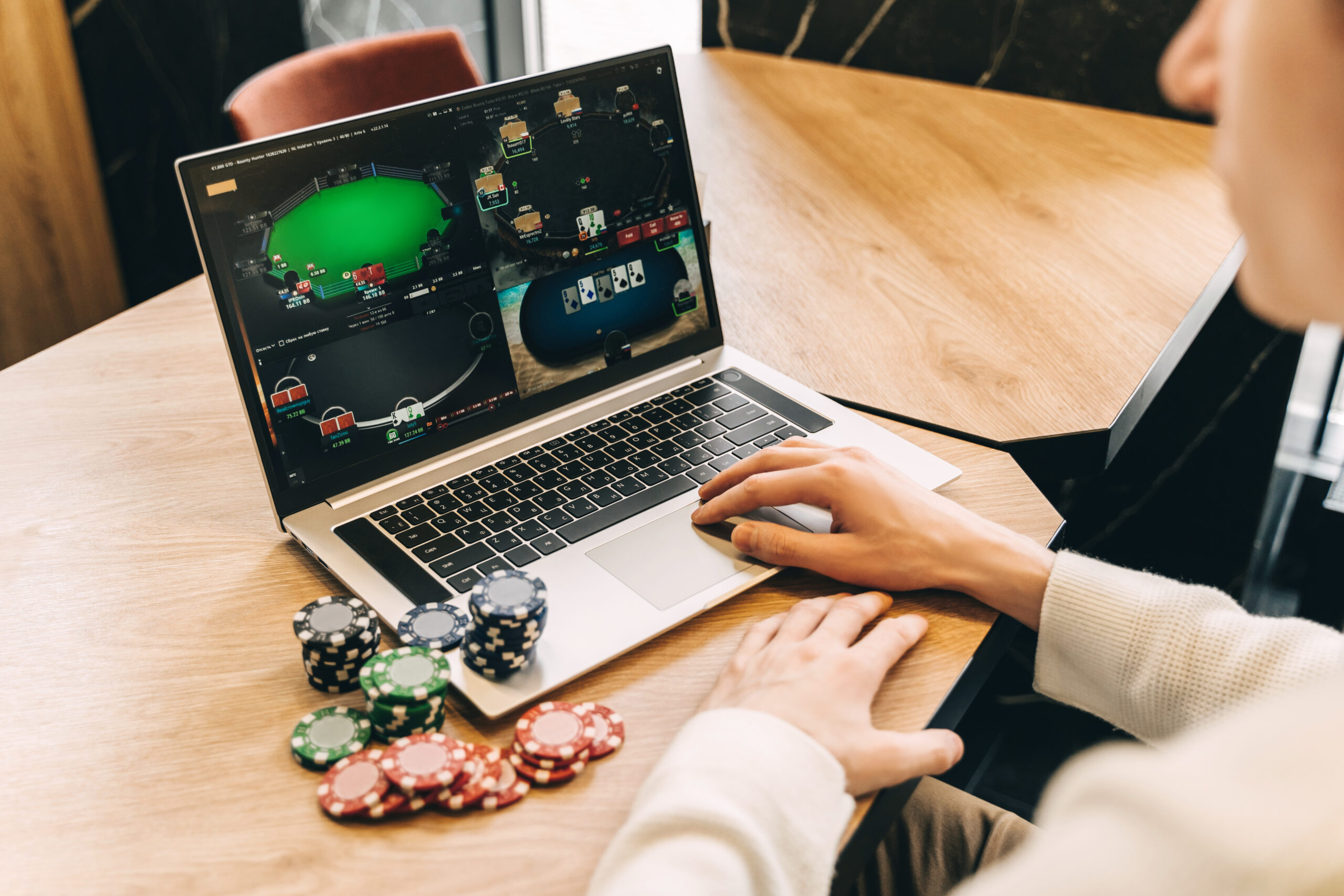
Missions, leaderboards and daily tasks play a direct role in keeping players involved. These tools encourage users to return regularly and stay longer during each session. They offer clear goals that guide actions and create reasons for continued participation.
Players often respond well to structured activities. When a platform sets out specific tasks, it removes guesswork. This builds momentum as users complete one challenge and move on to the next. Unlike random gameplay, these challenges offer direction. People know what they need to do, which helps maintain focus.
Leaderboards bring competition into the experience. Players can see where they stand compared to others. Some aim for top positions while others try to beat their own scores or move up a few spots over time. This sense of progress leads users to invest more time and effort.
Daily tasks add another layer of involvement by encouraging repeat visits. A player may log in each day not just to play but also to complete that day’s goal before it disappears. This kind of routine turns occasional visitors into regular participants without forcing them.
By using gamification in casino marketing, platforms give players more than just games as they provide structure, feedback and reward systems that support ongoing activity. These interactive elements help create habits through repetition and achievement tracking.
This method increases engagement without relying on luck alone. It introduces personal targets instead of random outcomes, giving users control over how they participate each day. As people reach milestones or unlock new levels, they feel motivated to continue engaging with the platform rather than stepping away after short sessions.
Adding missions or competitions does not only change how long players stay and it changes why they stay at all.
Personalised Rewards That Drive Loyalty
Players respond better when rewards match their actions. Casinos that track user behaviour can offer bonuses based on how someone plays. For example, if a person prefers slot games, they might receive free spins for those machines. If another user spends more time on table games, they could get chips or entry to exclusive events.
This approach shows the user that the brand is paying attention. It creates a sense of recognition without needing extra effort from the player. When people feel noticed, they often return more frequently and stay longer. These tailored offers do not need to be large in value. What matters is that they relate to what the player already enjoys.
Gamification in casino marketing makes this process easier and more effective. By using point systems or level-based tasks tied to personal gameplay habits, casinos can provide timely incentives that feel earned rather than random. This method builds trust because users see a clear link between their actions and what they receive.
Some platforms also offer missions or goals based on individual patterns. A player who logs in daily might unlock rewards over time while another who bets during weekends may get targeted promotions for those days only. These strategies keep content relevant and ensure players remain active over longer periods.
Email messages or app notifications can deliver these offers at key moments – after wins, losses, or long breaks to bring users back without pressure. Each reward feels specific rather than general, which increases its impact.
By focusing on each user’s habits instead of broad campaigns, casinos improve return rates and reduce drop-offs. Players engage with platforms where their choices lead to direct benefits instead of random perks meant for everyone else.
Tailored offers powered by data continue to shape stronger loyalty through consistent interaction and meaningful incentives across all types of games and playing styles.
How Gamification in Casino Marketing Creates Emotional Investment
Gamification tools help players form habits. When users complete tasks, unlock rewards, or move through levels, they begin to feel connected to the process. This is not only about points or prizes. It’s about giving users a reason to return and continue what they already started.
Progress bars show how far someone has come and what remains. This visual cue encourages people to stay active on the platform. They don’t want to stop halfway. The unfinished task keeps them involved longer than simple gameplay would.
Avatars add personal value. When players create a character or profile that represents them, they build a link between their actions and identity on the site. Changing outfits, gaining badges, or unlocking traits gives people something unique that belongs only to them. That personal element makes each visit more meaningful.
Story-driven quests push this further by offering structure and direction beyond regular games of chance. When users follow steps in a story or aim for missions with clear goals, it adds purpose to their time spent playing. These elements offer more than just random outcomes; they give context and continuity.
Gamification in casino marketing uses these systems not just for activity but for connection. By offering goals tied to personal progress, platforms tap into deeper motivation. Players aren’t only chasing wins—they’re building something over time.
This kind of involvement can lead people to return regularly without needing extra promotions every time. Once someone feels part of something ongoing, they often stay interested even when new offers slow down.
Each interaction becomes part of a larger path rather than an isolated event. This helps operators shape stronger relationships with their audience while reducing churn rates over time through steady interest instead of short-term spikes in use driven purely by bonuses or deals alone. You may also find our guide, Effective Casino Customer Retention Strategies to Enhance Player Loyalty, useful.
Social Features That Encourage Community Building
Multiplayer tournaments give users a reason to return. These events allow individuals to compete with others in real time. They create shared experiences where participants interact, observe each other’s progress, and track rankings on leaderboards. This dynamic encourages consistent participation because users want to improve their standing or support team efforts.
Team-based challenges also contribute to stronger player bonds. When grouped into teams, players must collaborate and meet shared goals. This cooperative play turns individual gaming into a group activity. As members rely on each other for success, they build connections that go beyond the game itself. These relationships often lead to longer sessions and higher engagement rates.
Social sharing tools further support this approach by allowing players to post achievements or invite friends directly from the platform. Whether through messaging apps or social media links, this type of interaction increases visibility while reinforcing user identity within the community. When someone shares a win or milestone with peers, it gives others a reason to join or re-engage.
All these features tie back into gamification in casino marketing strategies that prioritise user interaction over isolation. By involving more than one person in gameplay through teams or head-to-head matches – users feel part of something larger than themselves.
Players who feel connected often stay active longer and spend more consistently over time. They return not just for rewards but also for shared experiences with familiar names and faces on the platform.
This model allows casinos to build loyalty without relying solely on bonuses or discounts. Instead of chasing short-term gains, operators can focus on repeat visits driven by ongoing social ties formed within their games and events.
Tracking Progress to Sustain Long-Term Interest
Progress tracking tools help players stay involved. These systems give users a reason to return. When casinos use features like experience points or level-based rewards, they provide clear goals. Players know what they need to do next. This clarity builds a sense of direction.
Earning points for actions such as playing games or completing tasks gives people measurable outcomes. As they collect these points, users see their progress grow over time. This visible growth can keep them returning more often. It also pushes them to continue playing so they can reach the next target.
Level-up mechanics offer new stages once a player reaches certain milestones. Each new level often unlocks fresh benefits such as access to exclusive games, better reward rates, or unique promotions. These upgrades act as incentives that support frequent interaction with the platform.
When players feel their activity leads somewhere, it builds stronger ties to the brand. They spend more time on the site because there is always another step ahead of them. The journey from one level to another keeps players focused and motivated.
Gamification in casino marketing uses these elements not just for fun but also for function. It creates structure within gameplay and adds purpose behind each action taken on the site.
The longer someone sees value in progressing through levels or earning XP, the more likely they will continue using the same casino service instead of switching platforms. Tracking tools maintain this connection by showing users how far they’ve come and what lies ahead.
This method supports retention without pushing aggressive sales or offers every time someone logs in. Instead, it allows natural engagement based on personal progress and achievement tracking over time.
By building systems that show advancement clearly and reward consistency, casinos keep people active while encouraging regular visits without pressure-driven tactics or excessive promotions that may lose impact over time.
Driving Deeper Engagement Through Strategic Innovation
As the casino industry evolves, gamification in casino marketing has emerged as a powerful tool to captivate players and build lasting connections. By integrating interactive challenges, personalised rewards, and social features, casinos can transform passive gameplay into immersive experiences that foster emotional investment. Progress tracking and community engagement further sustain interest, encouraging repeat visits and long-term loyalty. Ultimately, gamification offers a results-driven approach that not only boosts player engagement but also strengthens brand affinity and positioning modern casinos to thrive in an increasingly competitive landscape.
































