



Keep reading
Rather we just did it for you?
Let's get your business seen.
Social media, websites, SEO and ads from a team you can actually meet.
Here is a little truth that surprises a lot of small business owners: the humble email newsletter is quietly one of the most powerful marketing tools you have, and you probably already own everything you need to start one. Social media platforms come and go, algorithms change on a whim, and your reach can vanish overnight; but an email newsletter lands directly in someone’s inbox, on your terms, whenever you choose. We say this to clients all the time: your followers are rented, but your email list is owned. If you have been putting newsletters in the “one day” pile, this is your gentle nudge to move them to the top.
What an email newsletter actually is
An email newsletter is simply a regular message you send to people who have chosen to hear from you. It might share news, helpful tips, offers, stories or a mix of everything, and it goes out to your list on a rhythm that suits you, whether that is weekly, fortnightly or monthly.
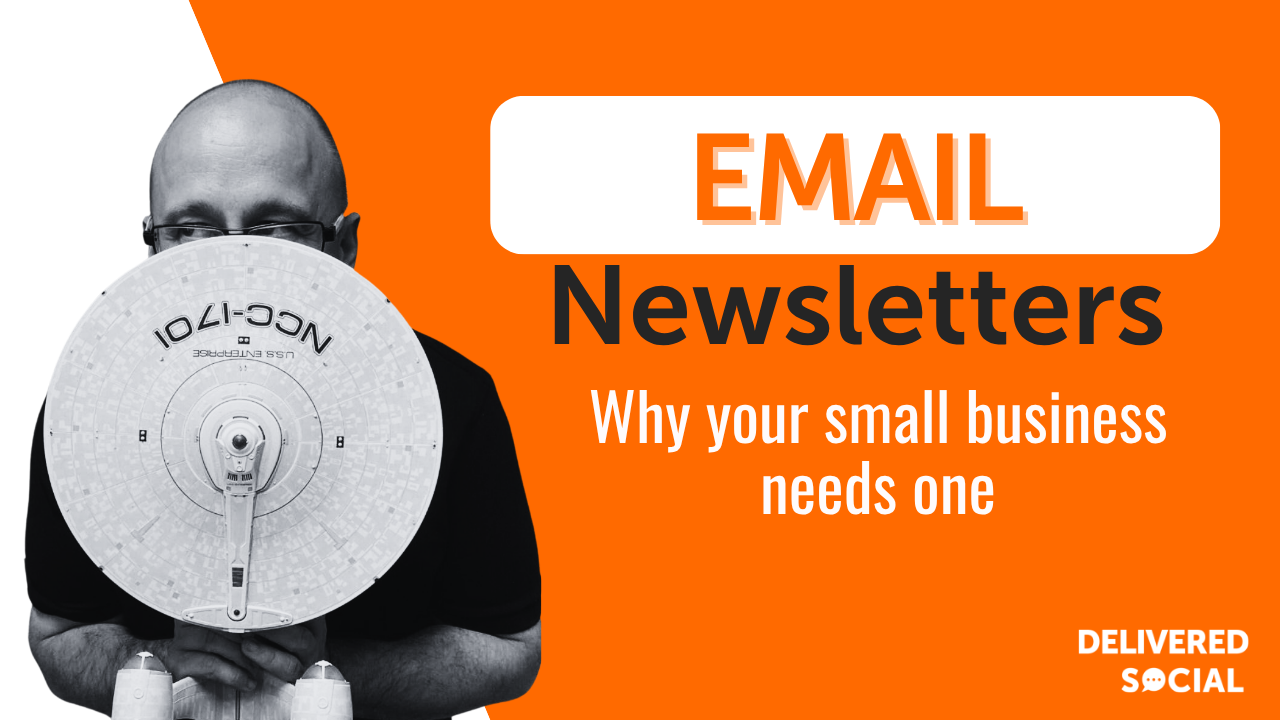
Think of it like keeping in touch with a friend rather than shouting through a megaphone. The people on your list have raised their hand and said “yes, I would like to hear from you,” which makes them some of the warmest, most receptive people you will ever market to. That single fact is what makes email so special.

Why an email newsletter is worth your time
When you commit to sending a regular newsletter, you build something no platform can take away from you: a direct line to people who already like you. Here is why it pays off:
- You own the relationship: unlike social followers, your email list belongs to you, and no algorithm sits between you and your audience.
- It keeps you top of mind: regular, friendly contact means that when someone is ready to buy, you are the name they remember.
- It drives real sales: email consistently turns interest into action, gently guiding people from curious to customer.
- It is wonderfully cost-effective: for a small business watching every penny, email offers one of the best returns of any marketing you can do.
- It builds trust over time: showing up helpfully, month after month, quietly proves you are reliable long before anyone spends a thing.
How to start your first email newsletter
Getting going is far simpler than most people fear. Work through these steps and you will have your first newsletter out the door in no time.
Choose a friendly email platform
Pick an email marketing tool designed for small businesses. Most offer free plans to start, drag-and-drop templates and simple ways to manage your list, so you do not need any technical wizardry to look professional.
Start building your list the honest way
Only ever email people who have opted in. Add a sign-up form to your website, invite customers to join at the checkout, and offer a small incentive like a helpful guide or a discount in exchange for an email address.
Decide what your newsletter is for
Before you write a word, get clear on the value you will offer. Are you sharing expert tips, behind-the-scenes stories, exclusive offers, or a blend? A clear purpose keeps your content consistent and gives people a reason to stay subscribed.
Write like a human, not a brochure
Keep your tone warm and conversational, as though you are writing to one person over a cup of tea. Short paragraphs, a clear message and a single main call-to-action work far better than a cluttered wall of text.
Pick a rhythm you can keep
Consistency matters more than frequency. Whether it is weekly or monthly, choose a schedule you can genuinely sustain and stick to it, because a reliable newsletter builds far more trust than a sporadic one.
Send, review and improve
Once it is out, look at your open and click rates to see what resonated. Every send teaches you something about what your audience loves, so let the numbers gently guide your next edition.
Comparing the ways you can grow your list
Building a healthy list is the engine behind a successful newsletter, and there are several honest ways to do it. Here is how the main options compare:
- Website sign-up forms: the bread and butter of list building; always working in the background, though they rely on people already visiting your site.
- Lead magnets: offering a free guide, checklist or discount in exchange for an email is brilliant for attracting genuinely interested people; it just takes a little effort to create the freebie.
- In-person sign-ups: perfect for shops, events and markets where you meet customers face to face; the catch is you need to remember to ask.
- Social media promotion: a great way to turn followers into subscribers you actually own, although it depends on your existing reach.
- Checkout opt-ins: inviting buyers to subscribe at the point of purchase captures people at their warmest; be sure to keep it optional and clear.
The strongest lists usually grow from a gentle combination of these rather than any single trick.
Best practices that keep subscribers happy
A good newsletter respects the person reading it. Always deliver on the promise you made when they signed up, and lead with value rather than constant selling; a helpful, generous newsletter earns the right to make the occasional offer. Keep your design clean and mobile-friendly, because most people will read you on their phone. Make it effortless to unsubscribe, too; a smaller list of people who genuinely want to hear from you is worth far more than a big list of the reluctant.
It also helps to be a real person. Sign off with your name, share the odd story, and let your personality show. People buy from people, and your newsletter is one of the most personal ways to remind them there is a human behind the business.
Common mistakes to sidestep
The classic error is buying or scraping email addresses; it damages your reputation, breaks the rules, and annoys people who never asked to hear from you. Almost as common is starting with a bang and then going quiet for six months, which trains subscribers to forget you. Sending only when you want to sell something is another trap; if every email is a hard pitch, people stop opening.
We also see owners cram in too many messages at once, leaving readers unsure what to do. Give each newsletter one clear job. And do not forget to check how it looks on a phone before you hit send; a beautiful email that breaks on mobile is a missed opportunity.
Where email newsletters are heading next
Email is far from old-fashioned; if anything, it is getting smarter. Personalisation is becoming the norm, with newsletters that adapt their content to each reader’s interests rather than sending everyone the identical message. Automation is a gift for busy owners, letting you set up welcome sequences and timely follow-ups that run quietly in the background.
We are also seeing a move towards genuine value over volume, as readers reward businesses that respect their inbox. Interactive touches and a more human, story-led tone are on the rise too. Through all of it, the heart of a great newsletter stays the same: show up regularly, be useful, and treat your subscribers like the valued people they are.
How often should I send my newsletter?
As often as you can be genuinely useful and no more. For most small businesses that means somewhere between weekly and monthly. The right answer is the frequency you can sustain without running out of things worth saying, because consistency beats cramming every time.
What should I write about in my newsletter?
Share the things your customers actually find helpful: practical tips, answers to common questions, behind-the-scenes glimpses, customer stories and the occasional offer. A good rule of thumb is to be mostly helpful and only sometimes promotional, so people look forward to opening you.
How do I get people to open my emails?
It starts with a clear, intriguing subject line and a recognisable sender name. Beyond that, the best way to lift your open rates over time is to consistently deliver value, so subscribers learn that your emails are always worth their attention. Trust is the real secret to a healthy open rate.
Is email marketing still worth it for small businesses?
Absolutely, and arguably more than ever. Because you own your list and speak directly to people who chose to hear from you, email remains one of the most reliable and affordable ways to nurture relationships and drive repeat business. It is a quiet workhorse that keeps earning its keep.
Your email newsletter starter checklist
Before you send your first edition, run through this quick checklist:
- A friendly platform: you have chosen an email tool that suits a small business.
- A permission-based list: everyone on it has genuinely opted in.
- A clear purpose: you know the value each newsletter will offer.
- A sign-up form: your website makes it easy for people to join.
- A sustainable schedule: you have picked a rhythm you can keep.
- A single call-to-action: each email points readers to one clear next step.
- A mobile check: you have previewed how it looks on a phone.
Ready to start your email newsletter?
An email newsletter is one of the rare marketing tools that keeps working for you long after you press send, quietly building trust and bringing customers back again and again. You do not need a huge list or fancy software to begin; you just need to start, stay consistent, and lead with genuine value. If you would like a hand setting up a newsletter that sounds like you and actually gets read, that is right up our street. Contact Us at Delivered Social and let us help you turn your inbox into one of your best sales channels.
































