





In This Article
Growth funnels are linear; customers move through the funnel and buy, or drop out at every step. Growth loops, on the other hand, are self-reinforcing and in a circular manner, so that the actions of one customer affect another. Whereas funnels require continuous resources to keep growing, loops provide long-term sustainable development, in which businesses and users can be provided with a framework that corresponds to ongoing, self-sustaining growth.
How Funnels Work
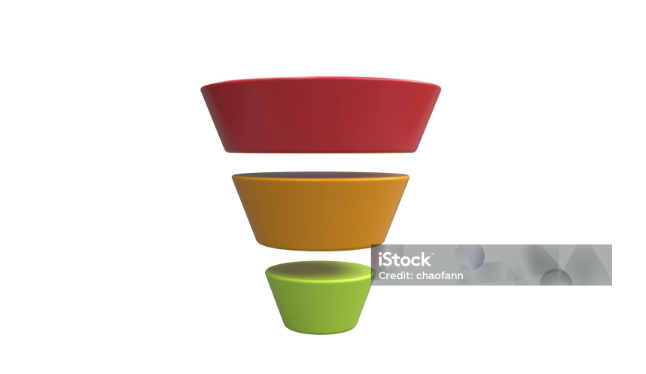
In a typical funnel, growth happens in a linear step-by-step manner where potential customers progress from one phase to the next. The process comprises awareness of a product, consideration, and eventually taking action or purchasing. Companies tend to construct their strategy in this way to exert as much pressure as possible to achieve immediate results. However, because funnels are essentially structured, they cause considerable loss at every successive stage, thus affecting engagement. A continuous force is needed to keep the traffic flowing into the funnel, but this may not be sustainable over time. As a result, funnels that are short-term, win-oriented will not prioritize building long-term relationships or longevity of engagement.
The Power of Growth Loops
Growth loops transform the user acquisition process into something circular and, therefore, self-sustaining. Every new user can play a vital role in bringing other users. Unlike funnels, which are linear, loops develop a cumulative effect where each addition to the user base has compounding value growth over a lengthy period. It involves a different mindset, as one caters to constant improvement, driven by the “growth” rather than the fixation on numbers. Due to this nature, loops can be efficient and effective, requiring fewer resources over time. Loops may also perform better than funnels because they develop once a company has a base of clients, as opposed to constantly needing new customers to fill the top of the funnel.
Examples of Growth Loops in Action
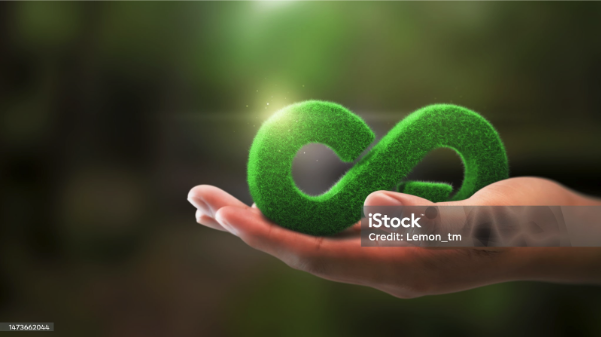
Numerous well-known companies utilize growth loops successfully on a daily basis. Social media platforms like Facebook or Twitter are a good example of current growth as they promote user-generated content. Every post or tweet has the ability to reach new users and bring them to the platform. Referral programs like Dropbox work by rewarding users for bringing friends on board. Each time a user invites a friend, they are given additional storage or features, which keep both the existing user and the new user onboard. Content marketing by blogs like HubSpot generates repeat visitors through SEO and high-value content. This is a strategy that keeps returning customers. These loops facilitate continuous improvement of products and services, as user interaction provides invaluable feedback. This illustrates how these businesses generate growth using their current clients rather than making new acquisitions constantly.
Twitch Growth Services
When Twitch streamers kickstart their channels, growth services can play a crucial role. Initial user boosts, such as buying Twitch views or followers, can have a powerful impact on gaining an audience. When some users view your stream or follow you, it has a domino effect, as the rising viewer count increases overall engagement. The more viewership, the higher the chances of others discovering and pitching in the increment in viewership. Each cycle enhances the likelihood of your channel being more visible on the platform. When Twitch streamers use these services, they can initiate a self-perpetuating growth model, wherein an influx of new viewers aids in ensuring further growth cycles. It must be noted that these services should be employed wisely, as a springboard for long-term organic growth and not a mere vanity measure.
Why Businesses Should Care About Loops
Inbuilt growth loops can actually be the best friend of a business for many reasons. They require less time and effort than constantly expanding and refilling a funnel, which makes processes a lot easier. Continuous word-of-mouth and referral marketing create a loyal audience base that offers value over time. Furthermore, growth loops tend to promote community development and sharing, which increases engagement and investment. They can also create predictable and scalable long-term growth, unlike volatile funnel growth, as they steadily capitalize on existing assets. Even non-gaming businesses can turn this into reality, as could those who are in the gaming industry or work in media and advertising. The ability to build a consistent and growing audience, such as Twitch, comes by turning the existing customer base into exponential growth.
Conclusion
Enabling growth loops to grow in a manner that is autonomous and self-sustainable will benefit not only you but also the business in the long run. They redefine the approach you use to attract and retain clients through circular thinking and continuous engagement. You are encouraged to tell your clients as much as possible, not just what you sell. Experiments with element loop activities could help in your business or personal growth strategies, be it by creating an online community or by cultivating the audience. Combining with focus visual growth tools, such as Twitch growth services or content creation, may only amplify the effects of this approach. Looking forward, developing a self-sustaining growth model will be one of your most important and best decisions.
Share This Article
About the Author: Alice Little































