



Keep reading
Rather we just did it for you?
Let's get your business seen.
Social media, websites, SEO and ads from a team you can actually meet.
Real estate search has become much broader than finding properties with a certain price, location, or number of bedrooms. Buyers now spend time researching neighborhoods, financing, market conditions, property values, taxes, inspections, and the buying process before they are ready to contact an agent. This has changed what useful real estate SEO looks like.
Ranking property pages still matters, but there is a much larger opportunity in answering the questions buyers ask throughout their research. When your website provides useful answers at the right stage, you can become part of the buyer’s decision-making process long before they are ready to view a property.
Let’s find out why real estate SEO is moving.
Buyers Start With Questions Before They Start With Properties
A property search usually begins long before someone is ready to book a viewing. Buyers first want to understand whether they can afford a home, which areas fit their needs, how the market is behaving, and what they should expect during the process. Those questions create search opportunities that sit above individual property listings.
“People need clear information before they can make confident decisions, especially when the decision involves a major purchase,” said Herbert Post, Manager of TRADESAFE. “Giving people the right information early helps them understand what they are dealing with and what they need to consider before moving forward.”
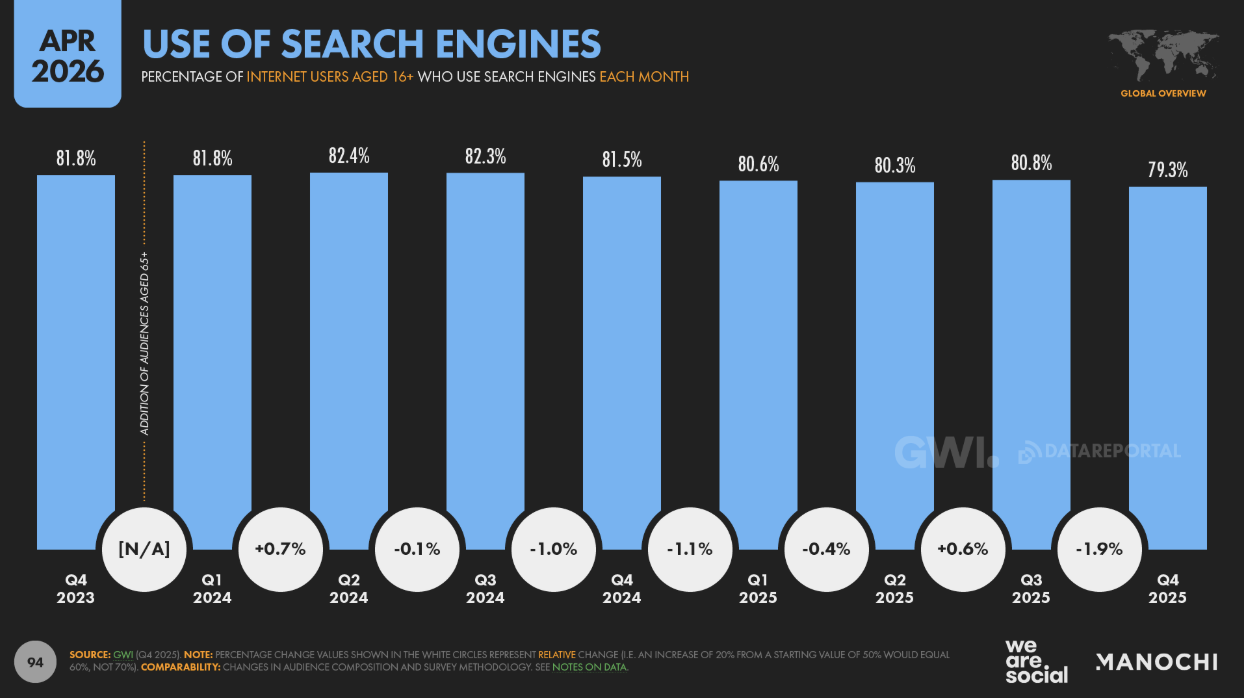
Search remains a major part of how people find information online. According to research, around 80% to 82% of internet users aged 16+ worldwide rely on search engines every month. Even with minor quarterly fluctuations, reaching 82.4% in Q2 2024 and ending at 79.3% in Q4 2025, the vast majority of adults consistently use search engines.
Source: We Are Social
For real estate businesses, this means there is a massive, steady audience looking for information before they ever reach a specific property page.
“A buyer may start with a simple question and gradually discover what they need to know before they are ready to act. The businesses that answer those early questions can become a useful source of information while people are still working through their options,” adds Kevin Corson, Owner of Idaho Bonding Company.
This gives real estate websites an opportunity to rank for the questions that come before the property search. Content that explains costs, neighborhoods, market conditions, buying requirements, and other common concerns can bring potential buyers into your website earlier. By the time they start looking at properties, they may already recognize your website as a useful source of information.
Search Intent Matters More Than Listing Volume
A real estate website can have thousands of property pages and still miss valuable organic traffic. The problem often comes from focusing on what you offer rather than what the searcher is trying to accomplish. Someone researching a neighborhood needs different information from someone comparing mortgage costs or looking for properties with specific features.
Tom Rockwell, CEO of Concrete Tools Direct, advises, “The information you provide should match the job someone needs to get done. You first need to understand what they are trying to accomplish, then give them the resources that help them complete that task.”
That principle applies directly to real estate SEO. A listing page might work well for someone ready to view properties, but it will not answer every question from someone still researching an area or comparing investment options. Your website needs different types of content because people arrive with different questions and levels of buying intent.
Look at the searches bringing people to your site and ask what they actually want from each one. Some need detailed neighborhood guides, some need market information, and others need property-focused pages. The goal is to give each search a useful destination that matches the question behind it.
According to Wayne Long, Owner of Ten 20 Property Management, “People looking at property are usually trying to work something out before they make a decision. They may be comparing locations, looking at rental potential, or trying to understand the costs involved. Content becomes more useful when it helps them answer that specific question.”
This also helps you decide where to invest your SEO resources. A page targeting a broad neighborhood search may need detailed local information, while a high-intent property search may benefit from current listings and clear property details. When each page has a clear purpose, your website can support more of the research process and give buyers useful information at the point when they need it.
Neighborhood Questions Are Becoming Core SEO Opportunities
A property does not exist in isolation. Buyers also need to understand the area around it before deciding whether a home makes sense for them. Questions about transportation, local amenities, schools, development, property values, and the general character of a neighborhood can determine whether someone keeps researching a location or moves on.
That early research is also where your brand starts forming an impression. Oscar Fullmer, Co-Founder of Fast Hippo Media, points to the role consistent information can play in that process. “People are more likely to stay engaged with a brand when the information they receive feels consistent and useful across their research. In real estate, that means giving potential buyers reliable answers wherever they encounter your content, so the experience builds confidence over time.”
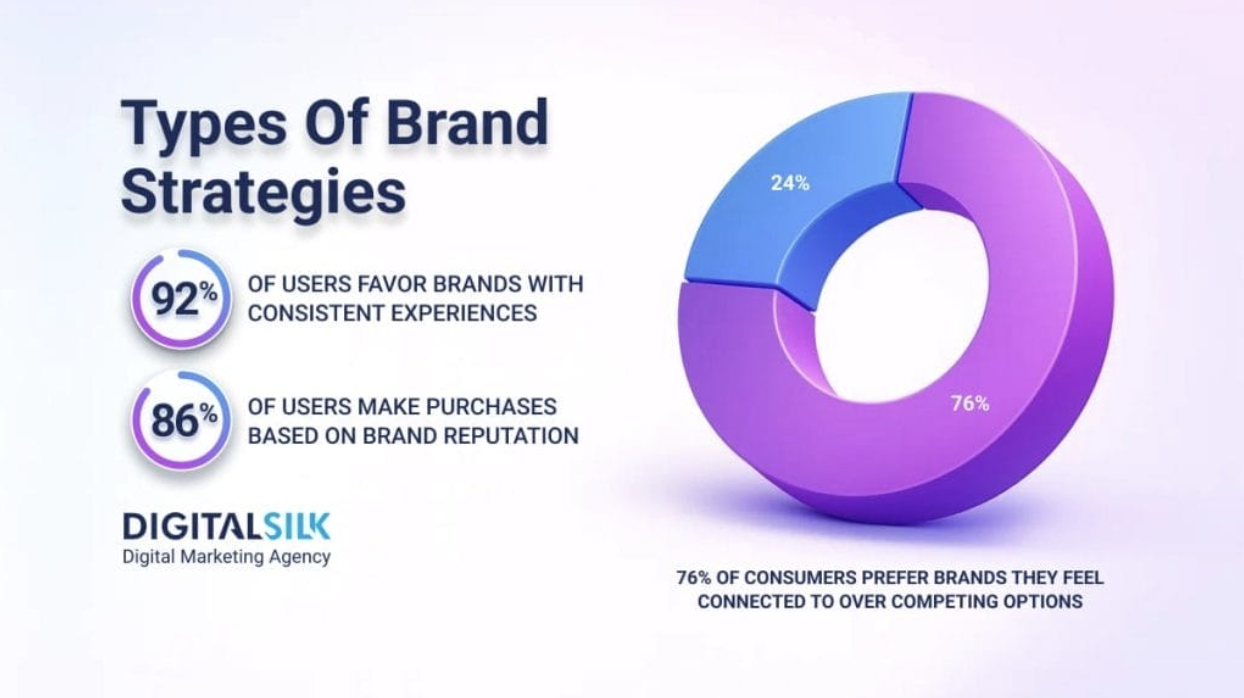
Building trust early in this research process is key to converting those searchers into clients. Research shows 92% of users favor brands that provide consistent experiences, and 76% of consumers prefer brands they feel connected to over competing options.
Source: Digital Silk
For real estate SEO, this means your strategy needs to go beyond basic listing pages. Delivering reliable, seamless neighborhood content builds the early trust and connection buyers rely on when choosing who to work with.
Neighborhood content can therefore become a major part of your organic strategy. A useful local page answers the questions people have before they decide to explore listings in that area. It also gives search engines more context about the locations your business covers, helping your website build stronger topical relevance around specific markets while establishing your brand as a dependable authority.
Colin McDonald, Broker Owner of McDonald Real Estate, brings the local market perspective into the decision. “Buyers need more than a property description to understand whether a location works for them. Details about the neighborhood, what is nearby, how the area is developing, and how properties are performing can give them context that helps them make a more informed choice.”
Buyers Need Help Understanding the Buying Process
Real estate transactions involve decisions that many buyers make only a few times in their lives. Even experienced buyers can need fresh information when market conditions, financing costs, regulations, or transaction processes change. Your website has an opportunity to answer those questions before a buyer ever speaks with an agent.
Desmond Dorsey, Chief Marketing Officer at Bayside Home Builder, highlights the value of giving people useful information early. “People often need to understand the process before they are ready to talk about a purchase. When your marketing answers those questions clearly, you can build familiarity with the brand while helping people feel more prepared for the decisions ahead.”
That makes educational content a natural part of real estate marketing. Your website can explain the stages of buying, the documents involved, the decisions buyers need to make, and the questions they should consider before moving forward. Keep the information clear enough for someone who has little experience with real estate.
The content should also reflect the concerns that come up during an actual property decision.
“When people are dealing with a property issue, they want to know what needs to happen, what factors could affect the work, and what questions they should ask. Clear information gives them a better starting point before they decide how to move forward,” adds Savas Bozkurt, Owner of Royal Restoration DMV.
That same principle connects informational searches with commercial searches. Someone may first arrive looking for an answer about the buying process and later need an agent, property search, valuation, or consultation. If your website provides useful guidance during that early research, you have already given that person a reason to recognize and trust your business when they are ready for the next step.
Market Data Can Answer Questions Property Pages Cannot
Property listings tell buyers what is available. Market content helps them understand why prices look the way they do and what is happening around those listings. Buyers often want to know whether prices are rising, how long homes are staying on the market, how inventory is changing, and how current conditions compare with previous periods.
Dan Close, Founder and CEO of BuyingHomes, sees market information as part of helping people evaluate their options. “A property decision becomes easier when buyers have enough information to understand the market around it. Looking at pricing, demand, and recent activity can help someone decide whether a property deserves a closer look and what questions they should ask before moving forward.”
This allows real estate businesses to build SEO content around current market questions. Regularly updated market pages can provide information that static property descriptions cannot. They can also attract people who are still researching a location and have not started seriously comparing individual homes.
The important part is making the information useful, not simply publishing another collection of numbers. Buyers need context around what those figures mean for the local market and how they relate to the decisions they are trying to make.
In an interview, Jerry Pinkas, President of Jerry Pinkas Real Estate Experts, adds, “Market numbers are useful when you know what they are telling you about the area. Buyers should be able to see how current prices, inventory, and sales activity compare with recent conditions so they can make decisions with a clearer understanding of the market.”
Your market pages should therefore explain where the figures come from, what period they cover, and what they actually indicate. Clear sourcing and straightforward explanations make the content more credible and useful, while regular updates give buyers a reason to return as local conditions develop.
Mobile Search Changes How Real Estate Answers Should Be Written
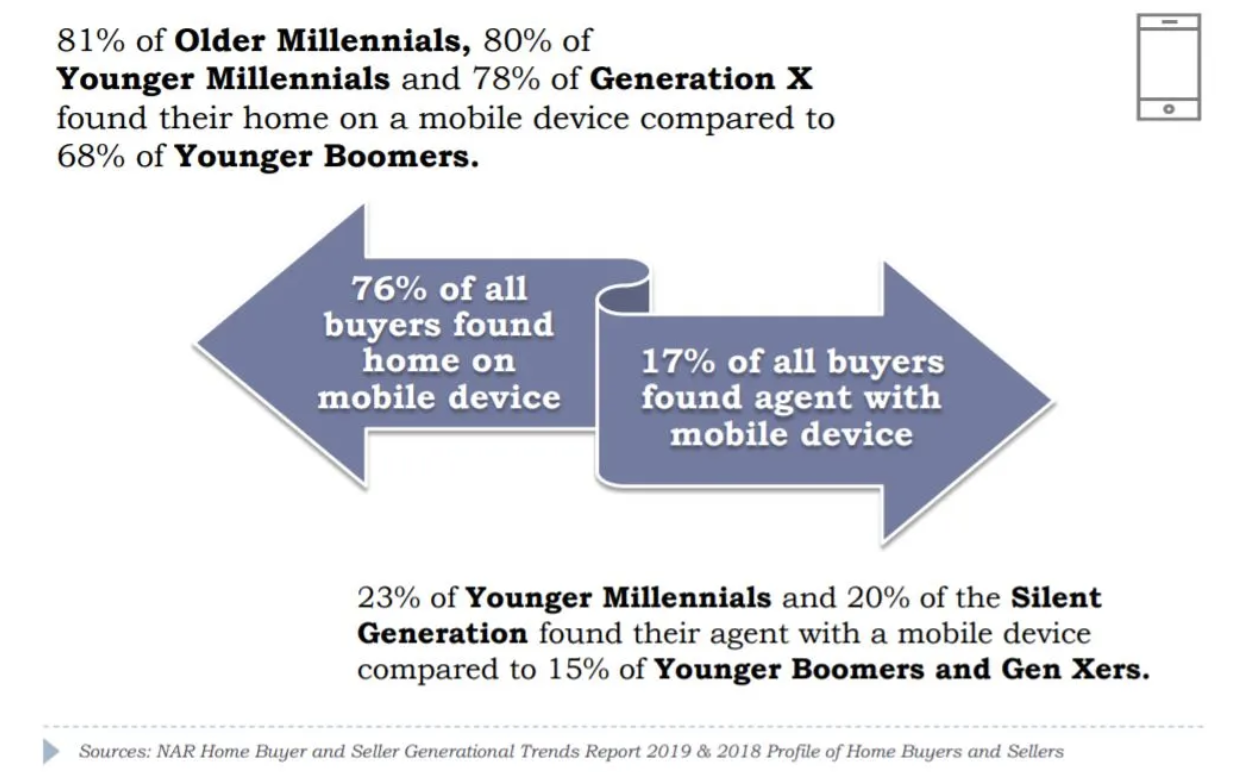
Real estate information has to work well on smaller screens because buyers overwhelmingly research homes away from desktop computers. A study shows that 76% of all buyers found their home on a mobile device. This usage spans across every demographic, including 81% of Older Millennials, 80% of Younger Millennials, 78% of Gen X, and 68% of Younger Boomers.
Source: Housing Wire
Plus, 17% of all buyers found their agent using a mobile device.
This makes a mobile-first experience essential for real estate websites that want to connect buyers with agents and guide them through every stage of their search. People may discover a property, research a neighborhood, check market information, and contact an agent from the same phone, so the experience needs to work well across each of those steps.
Julian Tillotson, CEO & Founder of Indirap, brings a content-production perspective to the way people consume information on smaller screens. “When people are viewing content on a phone, the way information is presented becomes just as important as the information itself. Clear visual structure and focused messaging help people understand what they are looking at without having to work through unnecessary detail.”
That applies to more than website design. Buyers searching on mobile often want a specific answer quickly, whether they are checking a property detail, comparing an area, or looking for information about the buying process. Important information should be easy to locate, with headings and sections that make the page simple to scan.
The same principle becomes important when a buyer is trying to find one specific piece of information.
Timothy Allen, Sr. Corporate Investigator at Oberheiden P.C., says, “When you are reviewing a large amount of information, you need to be able to identify the details that actually matter. Clear organization makes it easier to find those details and investigate them properly without getting distracted by information that has little relevance.”
Real estate SEO should therefore consider how every answer appears on a mobile screen. Clear headings, useful summaries, structured information, fast-loading pages, and direct answers can make research easier. A page can attract organic traffic, but if visitors struggle to find basic information once they arrive, that visibility is unlikely to translate into a useful experience or meaningful engagement.
Property Content Needs More Than Basic Specifications
Property pages remain important, but basic specifications rarely answer every question a buyer has. Price, bedrooms, bathrooms, square footage, and listing status provide the foundation, but buyers often need more context before deciding whether a property deserves their attention.
Bill Harbison, Owner of The Helmet Shop, highlights, “People need enough information to understand whether a product actually fits what they are looking for. Clear details about the features, fit, and practical considerations make it easier to narrow down the right option and feel confident about taking the next step.”
The same principle applies to property pages. Information about the property’s condition, features, surrounding area, relevant costs, and other factors can help buyers understand what they are actually evaluating. The more relevant context you provide, the less work the buyer has to do across multiple sources.
You can also use the questions buyers ask your agents to decide what information deserves more visibility. If visitors repeatedly want to know about renovation needs, parking, local taxes, energy costs, or specific property features, those details can become part of the page. This creates a more useful resource for buyers while helping your team address common questions before they turn into another enquiry.
The information should still have a clear purpose. A property page does not need every detail available about a home; it needs the details that help someone decide whether the property is worth exploring. Good organization also matters because buyers should be able to find important information quickly without working through unnecessary sections.
In an email interview, Tanya Alain, CMO at Upfluence, adds, “Content becomes more effective when it helps someone make a decision, not simply when it gives them more information. The important part is understanding what your audience needs to know at that point and making those details easy to act on.”
Comparison Searches Create New Opportunities
Buyers often reach a point where they have narrowed their choices but still need help deciding between them. They may be comparing neighborhoods, property types, locations, price ranges, or different approaches to buying. At this stage, they are looking for information that helps them understand the trade-offs before committing to one option.
Cassandra Toroian, Co-Founder and CEO at VolleyBird, mentions, “When people are choosing between products, they need to understand the differences that actually matter to them. Giving them clear information about performance, features, and fit helps them make a decision based on their own priorities.”
The same principle works well for real estate. A comparison page can bring relevant information together around the factors buyers actually care about, making it easier to evaluate two neighborhoods, property types, or locations side by side. It can also help your site connect related topics, giving search engines a clearer understanding of the subjects your business covers.
The content should focus on meaningful differences, though. Listing every possible specification can make a comparison harder to use, while a simple “best” verdict ignores the fact that buyers have different budgets, priorities, and circumstances. A useful page should explain what separates the options and what those differences could mean for the person making the decision.
Ákos Doleschall, Managing Director at Hustler Marketing, shares, “Comparison content works best when it helps someone overcome the final questions holding them back. If you understand what they are weighing before a purchase, you can create content that addresses those concerns and makes the next step easier.”
Expert Answers Can Strengthen Trust
Real estate decisions involve substantial financial commitments, so buyers have a reason to question information they find online. Generic articles can provide basic knowledge, but expert input can add greater depth to important topics.
Real estate professionals already have access to knowledge gained through transactions, local market experience, client questions, and direct interaction with buyers and sellers. That knowledge can be turned into content that addresses questions with greater context and practical understanding.
“Good decisions depend on having information you can actually evaluate,” shares Josh Lingenfelter, Founder of Card Track. “When you work with data, you need to know what it represents and how it supports the decision in front of you. Real estate content should give buyers useful information with enough context to judge their options. Clear data becomes much more valuable when people know how to use it.”
That approach gives real estate content more substance because the information has a clear purpose. Market figures, property details, local knowledge, and transaction insights should help answer the questions buyers are actually trying to resolve.
Daniyal Shaikh, AI Designer & Developer at Virtual Ring Try On, said, “Good technology should make decisions easier by presenting information in a way people can actually use. Real estate content can follow the same principle by making important details easier to compare and understand. When information is relevant to what someone is trying to decide, the experience becomes more useful and less confusing.”
Search Is Becoming Part of the Entire Buyer Journey
Real estate SEO used to focus heavily on capturing people who were already searching for properties. That remains valuable, but the opportunity now extends across the entire research journey. Buyers can spend weeks gathering information before deciding which properties to view or which professional to contact.
Real estate businesses can use this longer journey to build connected content around the questions buyers have at different stages. A person may begin with a general question, move into market research, compare neighborhoods, evaluate properties, and eventually look for professional help. SEO becomes much more valuable when your website can provide useful information throughout that progression.
Rameez Ghayas Usmani, Award-Winning HARO Link Builder & CEO of HARO Link Building, points to the value of building visibility around useful information. “People do not always discover a business when they are ready to buy,” he said. “Strong content can put a brand in front of them while they are still researching and looking for answers. When that content provides genuine value, it can also create opportunities for digital PR, references, and quality backlinks. Over time, those signals can help strengthen the brand’s visibility as the buyer moves closer to a decision.”
To Sum it Up
Real estate SEO is becoming less about filling search results with property listings and more about becoming a useful source of information throughout the buying journey. Buyers want to understand markets, neighborhoods, properties, costs, comparisons, and the process before making important decisions.
Property pages still have an important role, but they are only one part of the search experience. Real estate businesses that build content around genuine buyer questions can reach people earlier, provide more useful information, and create stronger connections before a property search becomes a direct inquiry. The competitive advantage will increasingly belong to websites that understand what buyers want to know.
































