


In This Article
Running any kind of channel means needing images constantly. Thumbnails, banners, emotes, stream overlays, social posts, merch mockups.
If your audience expects an anime aesthetic, that need gets harder. Generic stock photography is useless to you, and the style you want is the style people pay artists for.
Here are the four realistic routes, and where each one falls down.
Why the Volume Is the Problem
A single good piece of art is easy to arrange. Forty of them across a year is a different proposition.
Platforms reward consistency and frequency, which means the demand for visuals scales with your output rather than sitting still. Guidance on content creation for social media makes the same point from the marketing side, that visuals carry the work of grabbing attention and have to stay recognisably yours across every channel at once.
That is the actual constraint. Not whether you can afford one commission, but whether you can afford the pace.
The Default Answer, and When It Is Right
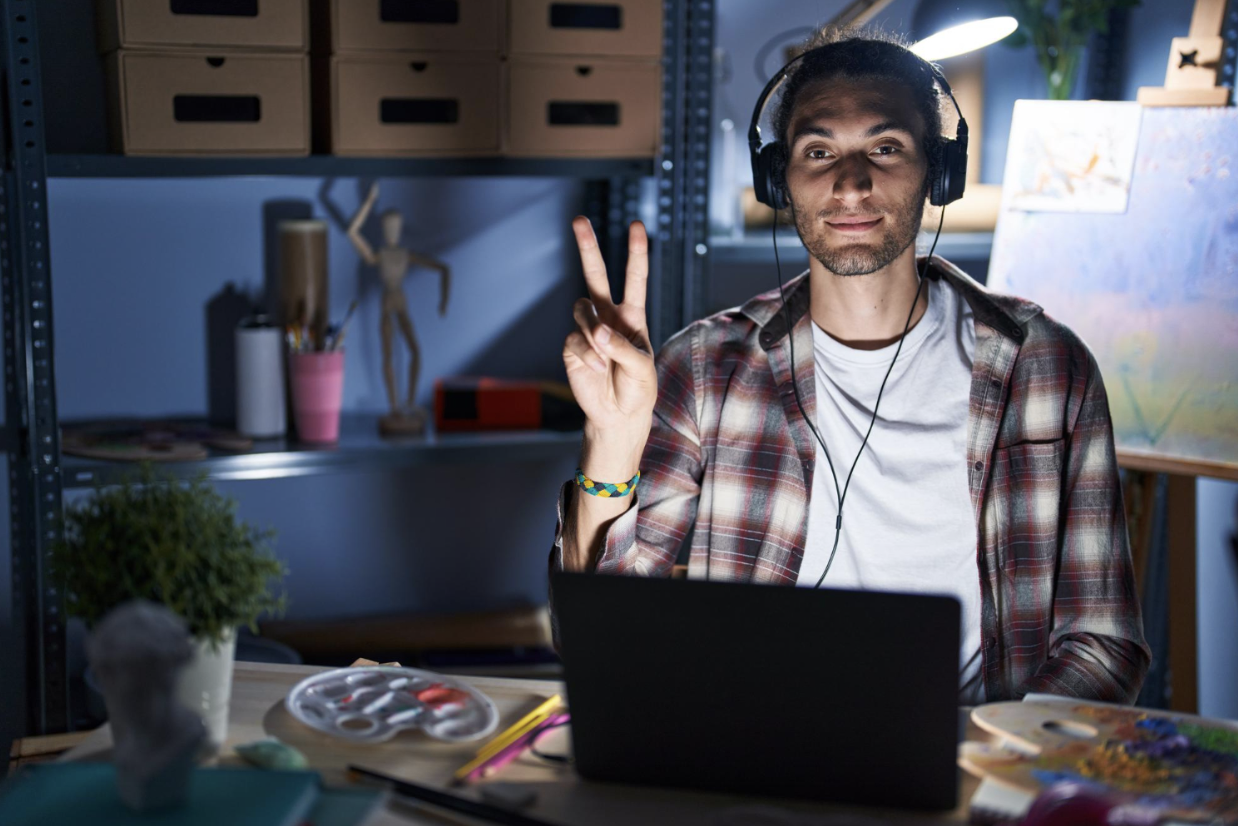
Commissioning an artist gives you something the other three routes cannot: work nobody else has, made to your brief, with terms you negotiate.
For certain things it remains the only sensible option, starting with a logo or brand mark. The same applies to an original character you intend to own and reuse, or a recognizable mascot that has to appear consistently across dozens of pieces.
The problem is throughput. Good artists have queues, revision rounds take time, and a per-piece cost that is reasonable once becomes prohibitive weekly.
Most creators end up needing a mix, paying for the handful of pieces that define the brand and finding another route for everything else.
Route One: Paid Stock Libraries
Traditional stock sites now carry substantial illustrated and anime-adjacent collections, and the appeal is speed. Search, download, use.
The licence is where these get complicated. Standard licences frequently restrict print runs, exclude merchandise resale, or separate editorial from commercial use, and extended licences cost considerably more.
Read the terms against what you actually plan to do. A licence that covers a thumbnail may not cover a t-shirt.
Route Two: Generate It Yourself
Image generators have made the style accessible to people who cannot draw, and the control is real. You can iterate until something matches your idea rather than settling for the closest match in a library.
The trade-offs are equally real. Prompting well takes practice, output quality varies wildly, and anime styles in particular tend to fail on hands, text and keeping a character’s features consistent between images.
Cost varies from free tiers to monthly subscriptions, and those subscriptions accumulate quickly once you are running two or three tools.
Route Three: Free Public Domain Libraries
The newest option, and the least understood. Several libraries now release AI-generated imagery under Creative Commons Zero, placing it in the public domain outright.
StockCake is one of them, with an anime section you can narrow by illustration, digital art or 3D. StockCake publishes its terms plainly, stating that everything on the site is AI-generated and released into the public domain.
What that permits is broader than most creators expect. Commercial use without distinction from personal use, editing and transformation, combining images, and printing on products including posters, shirts, mugs and merchandise for sale. No credit required and no copyright notice needed.
For a creator producing weekly visuals on no budget, that removes both the cost and the licence anxiety in one move.
The Catch Nobody Mentions
Public domain means public. Everyone else can use the same image, including whoever competes with you for the same audience.
For a thumbnail or a background that rarely matters. For anything meant to be recognizably yours, it matters enormously, and this is the single clearest line between what you can source freely and what you should pay for.
There is a second issue worth knowing. In the United States, copyright protection is tied to human authorship, so purely AI-generated work may not be protectable the way a commissioned piece is. Commercial use permission is also not the same as permission for trademark or logo use.
Neither point affects a stream overlay. Both should stop you building a brand mark from a free image.
How Most Creators Actually Solve This
The workable answer is layered rather than singular.
Commission the pieces that define you, meaning the logo, the mascot, the character people associate with your channel. Those need to be yours, exclusively, and protectable.
Use free libraries and generation for the high-volume, low-stakes material where nobody will notice or care that the image is shared. Backgrounds, blog headers, filler graphics, social posts that live for a day.
Then edit what you download. Recolor it toward your palette, crop it, combine it with your own elements. Public domain terms generally permit exactly this, and even modest changes make shared assets feel like part of one identity rather than a pile of borrowed pieces.
Treat the whole setup as part of a broader AI strategy rather than a series of one-off purchases, because the tools change fast and the subscriptions stack up faster than anyone budgets for.
Conclusion
Nobody solves this with one source. The volume is too high and the requirements too uneven.
Work out which pieces genuinely need to be exclusive, which is usually fewer than it feels, and pay properly for those. Source the rest from wherever is fastest and clearest on licensing.
Then check the terms before anything reaches merchandise or a logo, because that is the point where the difference between free and owned stops being academic.
FAQ
- Can I sell merchandise using free stock art?
It depends entirely on the licence. Some libraries release images under Creative Commons Zero, which explicitly permits printing on products for sale, while other free sources restrict commercial or merchandise use. Check the terms rather than assuming.
- Do I need to credit free image sources?
Under a CC0 release, no. Attribution is optional rather than required, and no copyright notice is needed. Other free licences do require credit, so the answer varies by platform.
- Can I use AI-generated art as my logo?
Approach that carefully. Commercial use permission does not necessarily extend to trademark use, and in the United States copyright protection is tied to human authorship, which affects whether purely AI-generated work can be protected.
- Is it worth commissioning an artist at all?
For anything that has to be exclusively yours, yes. Logos, original characters and mascots benefit from a commission because you get work nobody else has and terms you actually negotiate, which no free or generated source provides.
Share This Article
About the Author: Penelope Klein































