





In This Article
Social media teams work in fast-moving environments where creativity drives results. Every post, video, or campaign requires fresh ideas that capture attention and communicate a brand message clearly. While strategy and tools matter, the workspace itself often influences how effectively teams generate those ideas.
Marketing agencies increasingly design offices that encourage creativity, collaboration, and visual thinking. Instead of relying on traditional office layouts, many teams work in environments filled with inspiration, creative tools, and flexible spaces for content production.
A well-designed workspace helps social media professionals brainstorm more effectively, produce visual content efficiently, and stay motivated throughout the creative process.
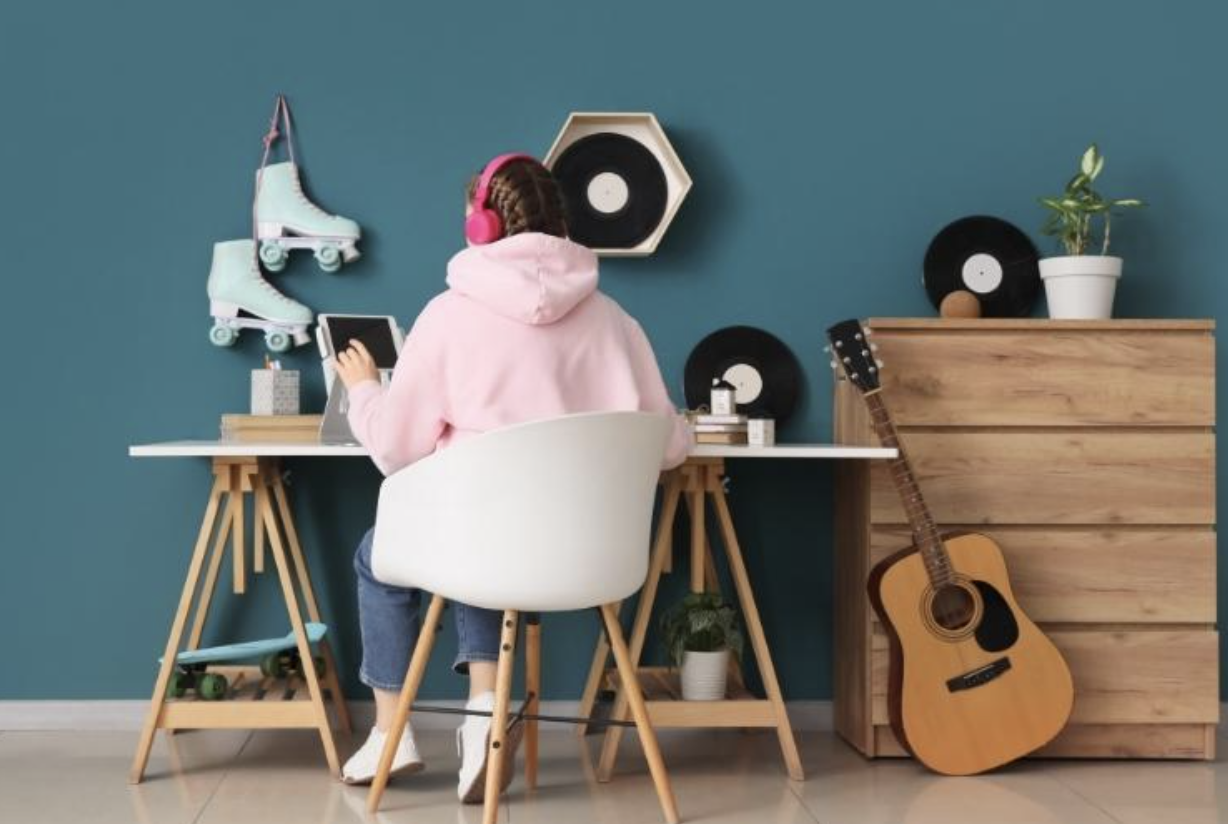
Image by Pixelshot via Canva.com
Visual Inspiration Fuels Better Social Media Ideas
Social media marketing revolves around visual storytelling. Designers, strategists, and content creators constantly develop images, videos, and graphics that must stand out in crowded feeds. Because of this, visual inspiration inside the office plays a meaningful role in how teams generate ideas.
Many agencies display artwork, photography, or design references around their workspaces. These visuals act as daily reminders of creativity and encourage teams to think beyond routine marketing concepts. A wall filled with artistic prints or cultural imagery can spark ideas for campaign aesthetics, brand color palettes, or storytelling themes.
Some creative teams also incorporate themed artwork that reflects the culture of music, art, or entertainment. For example, adding pieces from music wall art online can help your teams build inspiring brainstorming areas that reflect the creative energy behind modern digital campaigns.
Brands such as The GOAT Wall Art provide artwork that fits naturally into these environments. Music-themed pieces often resonate with marketing professionals because music and culture frequently influence advertising, social media trends, and visual storytelling.
Studio-Style Workspaces Support Content Production
Social media marketing now relies heavily on video content. Platforms such as Instagram, TikTok, and YouTube encourage brands to produce short-form videos, behind-the-scenes clips, and educational content. To support this demand, many agencies create studio-style spaces inside their offices.
These spaces typically include flexible lighting, clean backdrops, and equipment for recording videos or taking photos. When teams have access to a dedicated content area, they can film and produce assets quickly without leaving the office.
Studio-style workspaces also allow teams to experiment with different visual styles. Instead of using plain backgrounds, creators can include textures, décor, or artwork to add personality to their videos. When teams design studio environments thoughtfully, they reduce production time and increase the quality of the content they create.
Creative Collaboration Areas Encourage Idea Sharing
Great social media campaigns rarely come from a single person working alone. They usually emerge through collaboration between strategists, designers, copywriters, and video editors. A workspace that supports teamwork makes this process easier.
Many creative offices include dedicated collaboration zones where teams gather to brainstorm ideas. These areas often feature whiteboards, sketchpads, and flexible seating arrangements that make discussions feel informal yet productive.
During brainstorming sessions, teams may sketch campaign ideas, discuss audience reactions, or review content drafts together. The energy of these collaborative sessions often leads to stronger concepts and clearer creative direction.
Visual surroundings also influence these discussions. Art, color, and design elements keep the environment stimulating, which encourages team members to contribute ideas more freely. Agencies that prioritize collaboration through thoughtful workspace design often see better alignment between creative and strategy teams.
Flexible Workspaces Improve Focus and Productivity
Creative work requires both collaboration and focused thinking. Social media professionals often switch between brainstorming, editing, writing captions, and analyzing campaign performance. A flexible workspace allows them to move between different types of work comfortably.
Many agencies now design offices with a mix of environments. Open collaboration zones support group work, while quiet areas allow individuals to focus on writing, design tasks, or video editing.
This balance prevents creative burnout. Team members can shift environments when they need a change of pace, which helps them maintain productivity throughout the day.
Decor elements can also contribute to this sense of balance. Artwork, color schemes, and natural lighting create an atmosphere that feels more engaging than traditional office environments. When employees feel comfortable in their environment, they approach their work with greater focus and enthusiasm.
Personal Workspaces Encourage Creative Ownership
While shared areas support collaboration, personal workspaces also influence creativity. Allowing employees to decorate their desks or work areas encourages individuality and ownership.
Content creators often draw inspiration from their personal interests. Music, photography, film, and design trends frequently shape the ideas they bring into marketing campaigns. Personalizing workspaces with art or creative references allows employees to keep those influences close at hand.
For example, if you’re a designer who enjoys music culture, you can decorate your workspace with music-inspired art or posters. These visual reminders often influence design styles, campaign themes, or storytelling approaches in subtle ways.
When companies support workspace personalization, they signal that creative expression matters. Employees feel more connected to their work environment and more confident in contributing original ideas.
Designing Workspaces That Inspire Marketing Teams
Creating a creative workspace doesn’t require a large budget or complex office redesign. Small changes can significantly improve how teams think and collaborate.
Marketing teams can start by introducing visual inspiration into their offices. Artwork, design boards, or photography collections can transform blank walls into creative resources. Establishing dedicated areas for brainstorming and content production can also improve efficiency.
Agencies should view their workspace as a tool that supports creative work. The environment should reflect the energy, culture, and storytelling style that social media teams bring to their campaigns.
When your company prioritizes inspiring workspaces, you can build environments where creativity becomes part of the daily workflow.
Conclusion
Creative office spaces influence how social media teams generate ideas, collaborate, and produce content. Visual inspiration, studio-style production areas, and flexible collaboration zones all support stronger creative output.
Marketing professionals perform their best work when they operate in environments that encourage experimentation and idea sharing. Thoughtful workspace design helps teams stay motivated and engaged while producing the visual content modern audiences expect.
As social media marketing continues to evolve, agencies that invest in creative environments position their teams for consistent innovation and more effective digital campaigns.
Share This Article
About the Author: Penelope Klein































