

Keep reading
Rather we just did it for you?
Let's get your business seen.
Social media, websites, SEO and ads from a team you can actually meet.
Many businesses treat Google Ads and social media ads as two separate jobs, often run by different people, with different budgets and different reports. But your customers do not see them separately. They see your Instagram ad on Monday, search your name on Google on Wednesday and click your search ad on Friday. When PPC and social ads work together, each one makes the other more effective.
This guide explains the benefits of combining PPC and social media ads: how the two channels differ, how we combine them for clients, the biggest mistake to avoid and a simple way to start.
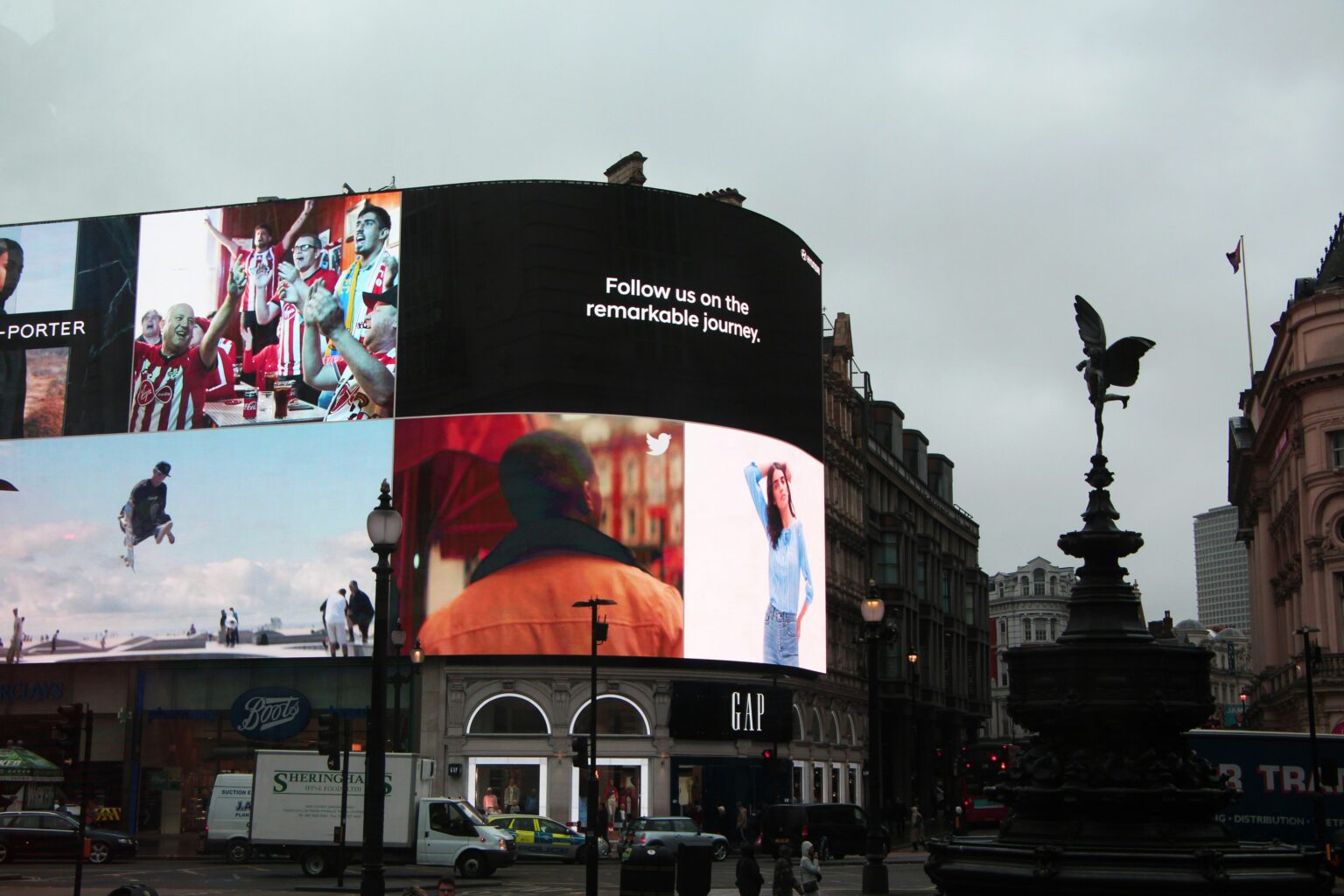
PPC and social media ads: what is the difference?
- PPC search ads (Google Ads and Microsoft Ads) show to people who are actively searching for what you sell. They catch existing demand. You usually pay per click.
- Social media ads (Facebook, Instagram, TikTok, LinkedIn) show to people while they scroll, based on who they are and what they are interested in. They create demand and build awareness. You usually pay per impression.
One catches people who are ready to buy. The other reaches people before they start looking. Used together, they cover the whole journey.
How we combine PPC and social ads for clients
At Delivered Social, when a client runs both Google Ads and Meta ads with us, we set them up to work as one system. Three principles guide it.
1. Google for demand, Meta to retarget
Google Ads catches people searching right now. But most visitors do not enquire on their first visit. Meta ads then retarget those website visitors on Facebook and Instagram with a reminder, a review, an offer or a reason to come back. Search finds them; social brings them back.
2. Social builds awareness first
Social ads put your business in front of local people before they need you. When they do need you, they remember your name and search for it. That shows up as more branded searches and cheaper, better-converting Google clicks, which is why social ads often deserve credit for results that appear in Google Ads reports.
3. Shared tracking and reporting
We track both channels the same way: calls, forms and sales, with the same conversion goals. And we judge both on cost per lead or cost per sale, side by side, rather than comparing Google clicks with Facebook impressions. That way, budget goes where the results are.
The benefits of combining PPC and social media ads
- More touchpoints. People rarely buy after one interaction. Seeing you on social and in search builds familiarity and trust.
- Better retargeting. Search traffic fills your retargeting audiences; social ads follow up.
- Cheaper search clicks over time. Awareness from social leads to more branded searches, which are usually the cheapest and highest-converting clicks.
- Shared insights. Search terms show you what people want. Social ad results show you which messages and images people respond to. Each improves the other.
- Consistent messaging. When the same offer appears in search and on social, it sticks.
- Less risk. If costs rise on one platform, the other keeps leads coming in.
The biggest mistake: splitting the budget too thin
The most common problem we see when small businesses run both is a budget spread so thinly that neither channel can work. A small monthly budget split across Google, Facebook, Instagram, TikTok and LinkedIn means each campaign gets too little data to learn, too few clicks to judge and too little reach to make an impression.
It is better to:
- Start with one channel that matches how your customers buy. For urgent local services, that is usually Google Ads.
- Get it working with proper tracking and a clear cost per lead.
- Add a second channel with enough budget to work, often Meta retargeting first, because it is efficient and builds on the traffic you already have.
- Expand from there only when both are proven.
Our guides on PPC management costs and Facebook ads costs will help you set realistic budgets.
How to combine PPC and social ads: a simple plan
- Set up tracking for calls, forms and sales on your website, with Google Ads conversion tracking and the Meta Pixel.
- Run Google search ads on your most important, high-intent searches.
- Build retargeting audiences of website visitors in Meta Ads Manager.
- Retarget on Facebook and Instagram with reviews, offers and reasons to get in touch.
- Add local awareness ads on social once retargeting is working, using video that shows your people and your work.
- Keep the message consistent across both, from offer to imagery.
- Report together. Look at total leads, total spend and cost per lead across both channels every month.
Which combination suits your business?
- Local services (trades, clinics, salons): Google search ads for urgent demand, Meta for retargeting and local awareness.
- Online shops: Google Shopping and search, plus Meta for product discovery and retargeting.
- B2B services: Google search for people looking for a supplier, LinkedIn for reaching decision-makers.
- Consumer brands with strong video: TikTok or Instagram for awareness, Google for people who then search.
For how paid and organic search fit together too, see our guide to how SEO and PPC work together.
Frequently asked questions about combining PPC and social ads
Should I run Google Ads or Facebook ads first?
For most local service businesses, Google Ads first, because it catches people already looking. Add Facebook and Instagram retargeting once search is working.
How do I split my budget between PPC and social ads?
There is no fixed rule. Start with enough in one channel to get clear results, then add the second with a budget large enough to learn. Move money towards whichever brings the lower cost per lead.
Can social ads improve my Google Ads results?
Yes. Awareness from social often leads to more branded searches and higher conversion rates in search, even if social does not get the credit in reports.
Do I need different ads for each platform?
Yes. Keep the same offer and message, but adapt the format: short text for search, visuals and video for social.
Should one agency manage both?
It helps. One team with shared tracking can see the full picture and move budget where it works best.
Better together
PPC catches people who are ready to buy; social ads reach them before they start looking and bring them back after they visit. Combine them with shared tracking, consistent messaging and a budget that lets each channel work properly, and you will get more from every pound you spend.
If you would like help running Google Ads and social ads together, our Google Ads and Meta ads teams work side by side. Get in touch, or find more practical guides on the Delivered Social website.