





In This Article
Scroll through Instagram, Pinterest, or any home décor feed, and you’ll quickly notice a pattern. Some interiors consistently attract attention. They’re photographed, shared, and saved more often than others. These homes tend to balance visual appeal, thoughtful styling, and distinctive design elements that translate well through a camera lens.
For homeowners, designers, and brands working in the home improvement space, understanding what makes an interior “Instagram-worthy” has become increasingly important. Social media platforms have turned everyday homes into sources of inspiration for millions of viewers. Rooms that photograph well often influence décor trends, renovation decisions, and even purchasing behavior.
In this article, we’ll explore the design features that perform best online and examine why certain interiors gain traction on social media. From lighting choices to statement décor, these details help transform ordinary rooms into spaces people want to share.
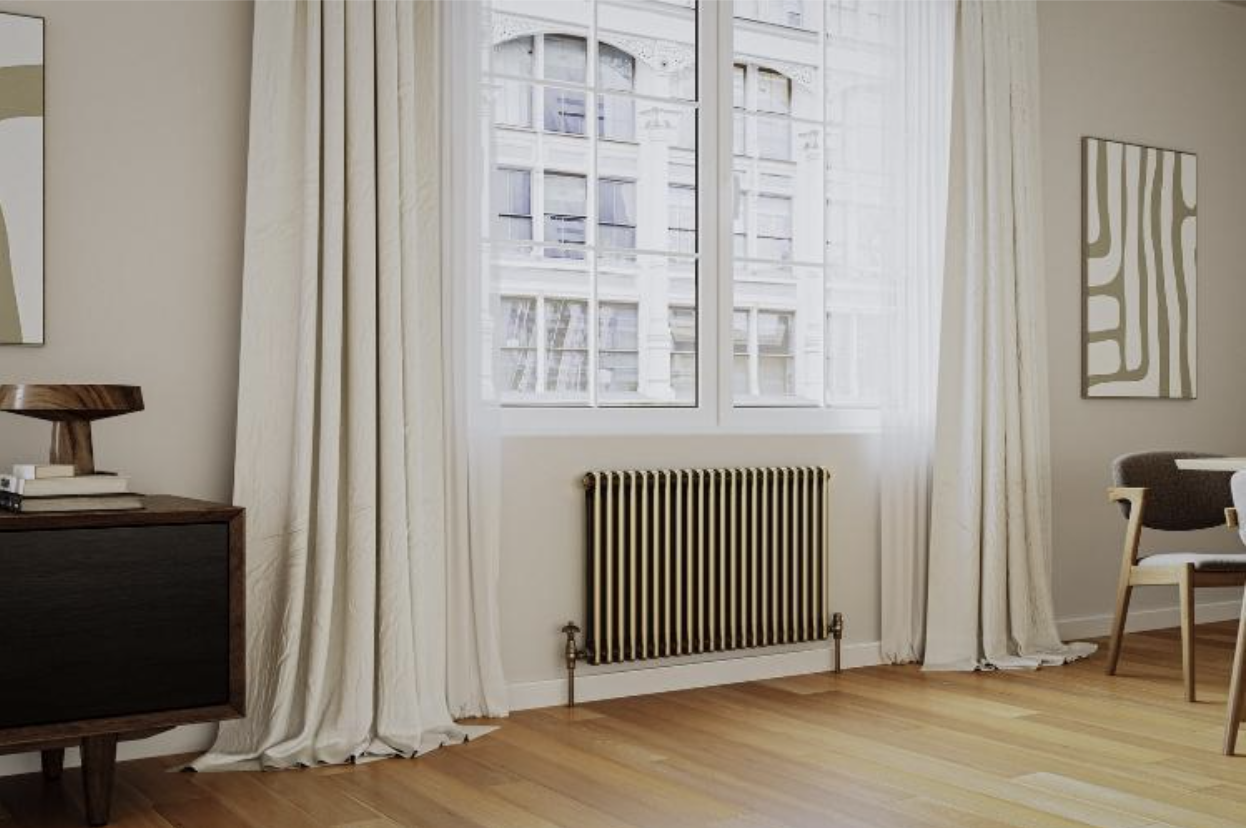
Image from UK Radiators
Clean Layouts and Visually Balanced Spaces
One of the most noticeable features of interiors that perform well online is simplicity. Rooms that appear balanced and uncluttered tend to photograph better than spaces filled with competing visual elements.
A clean layout allows the eye to move naturally across the room. Furniture placement, spacing, and color coordination all contribute to this effect. When objects compete for attention, the image can feel chaotic, which makes it less likely to resonate with viewers scrolling through their feeds.
Photogenic interiors often rely on a few guiding principles:
- Neutral or cohesive color palettes
- Open space between furniture pieces
- Limited decorative clutter
- Intentional placement of focal items
This approach doesn’t mean the room lacks personality. Instead, every object has a purpose and contributes to the overall visual harmony. The result is an environment that feels calm, organized, and easy to photograph.
Statement Features That Draw the Eye
While minimalist layouts help establish balance, standout design features give a room character. These focal points are often the elements that make someone pause while scrolling through a feed. A focal feature could be anything from an exposed brick wall to a sculptural light fixture. In many cases, these elements provide the anchor for the rest of the design.
Heating features have increasingly become part of this visual conversation. Instead of hiding traditional radiators, many homeowners are incorporating designer heating pieces that complement the room’s aesthetic. Sleek vertical radiators or sculptural metal finishes can serve as subtle yet distinctive visual anchors in modern interiors.
For homeowners exploring contemporary heating designs, brands like UKRadiators.com showcase how functional designer radiators can also contribute to the overall appearance of a room. Rather than blending into the background, they can help enhance the room’s overall aesthetic.
Lighting That Works for Both Living and Photography
Lighting plays a crucial role in the success of any interior photo. Even the most carefully styled room can appear dull or flat if the lighting is poorly planned. Natural light is typically the most effective option for photography. Large windows, skylights, and light-colored walls help distribute sunlight throughout the space, making rooms feel open and inviting. Interiors with strong natural lighting tend to receive more engagement on visual platforms because the details appear clearer and more vibrant.
Related reading: How to Use Instagram Without an Account
However, artificial lighting can also enhance the atmosphere. Layered lighting often produces the best results. This includes:
- Ceiling fixtures for general brightness
- Floor or table lamps for warmth
- Accent lighting that highlights architectural features
Well-designed lighting helps create depth within the image. It adds shadows and highlights that give a room dimension rather than appearing flat in photographs.
Textures and Materials That Add Depth
Rooms that gain attention online rarely rely on a single material. Instead, they combine textures that make the space visually interesting. When viewed through a camera lens, texture helps create contrast. A smooth marble countertop next to warm wood cabinetry, for example, produces subtle variation that enhances the image.
Common textures that perform well in social media interiors include:
- Natural wood surfaces
- Stone or marble accents
- Woven fabrics such as linen or wool
- Matte metal finishes
These combinations add layers to the design without overwhelming the viewer. The room appears detailed yet cohesive, which helps it stand out in crowded social feeds.
Color Schemes That Translate Well on Camera
Color plays an important role in determining how a room appears online. Some palettes translate better through photography and digital screens. Neutral tones remain popular because they allow architectural features and décor elements to stand out. Shades like soft beige, warm white, muted grey, and pale wood often create a calm visual base.
From there, designers frequently introduce controlled pops of color. A single accent wall, a vibrant piece of artwork, or a bold sofa can provide contrast without overwhelming the space.
Another strategy is using tonal palettes. Instead of strong contrasts, these rooms rely on variations of the same color family. This creates a sophisticated and cohesive look that performs well on platforms like Instagram and Pinterest.
Regardless of the approach, the most successful color schemes maintain balance. Too many bright tones can compete for attention, while a single neutral palette without contrast may appear flat.
Personal Details That Make the Space Memorable
While visual harmony and styling techniques are important, personality often determines whether an interior resonates with viewers.
Homes that feel authentic tend to generate more engagement than spaces that appear overly staged. Personal items, art collections, books, or meaningful décor pieces help tell the story of the people who live there.
These details also make images more memorable. A unique vintage chair, a gallery wall, or a creative shelving arrangement can distinguish a room from thousands of others online.
The key is thoughtful curation. Personal touches should feel intentional rather than cluttered. When balanced correctly, these elements add warmth and individuality without disrupting the overall composition.
Conclusion
Designing a home that performs well on social media is less about following a strict formula and more about understanding visual storytelling. Spaces that resonate online typically combine balance, strong focal points, effective lighting, and layered textures.
At the same time, practicality still matters. Many of the most compelling interiors successfully merge functional features with aesthetic appeal, turning everyday elements into part of the design.
For homeowners and designers alike, the takeaway is that thoughtful details make the difference. When you focus on layout, lighting, materials, and meaningful décor choices, you can create interiors that look beautiful in person and capture attention across digital platforms.
Share This Article
About the Author: Penelope Klein































