



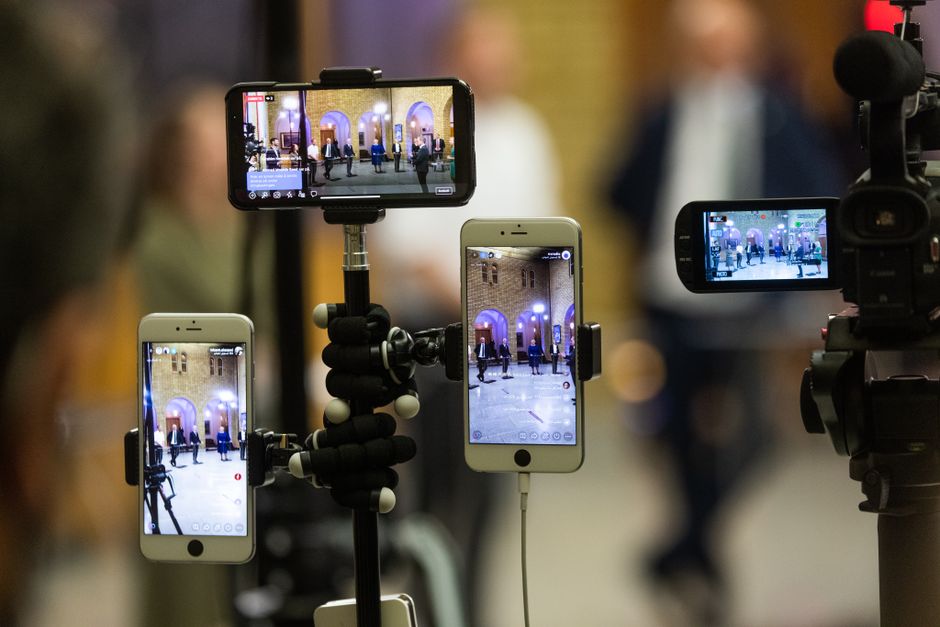
Keep reading
Rather we just did it for you?
Let's get your business seen.
Social media, websites, SEO and ads from a team you can actually meet.
If you were active on social media around 2015, you probably remember the moment the Periscope app arrived. It felt like something genuinely new: a way to broadcast your world, live and unfiltered, to anyone who wanted to watch. Then, almost as quickly as it appeared, it was gone. If you have ever wondered what happened to Periscope, why it shut down, and what its story means for your business today, you are in the right place. This is the full picture, told without the jargon, from launch to legacy.
Table of Contents
- What Was Periscope? A Quick Refresher
- The Story Behind Periscope — From Idea to Launch
- How Did Periscope Work? (And How Did Brands Use It?)
- Why Did Periscope Shut Down?
- Can You Still Use Periscope in 2026?
- What Replaced Periscope? The Modern Live-Streaming Landscape
- What UK Business Owners Can Learn From Periscope’s Story
- Final Thoughts — The Legacy of Periscope
What Was Periscope? A Quick Refresher
Periscope was a live-video broadcasting app that launched in March 2015, but its story started a little earlier than that. Twitter, now known as X, acquired the company in January 2015 before the app had even gone public. It was a clear signal that live video was about to become a big deal.
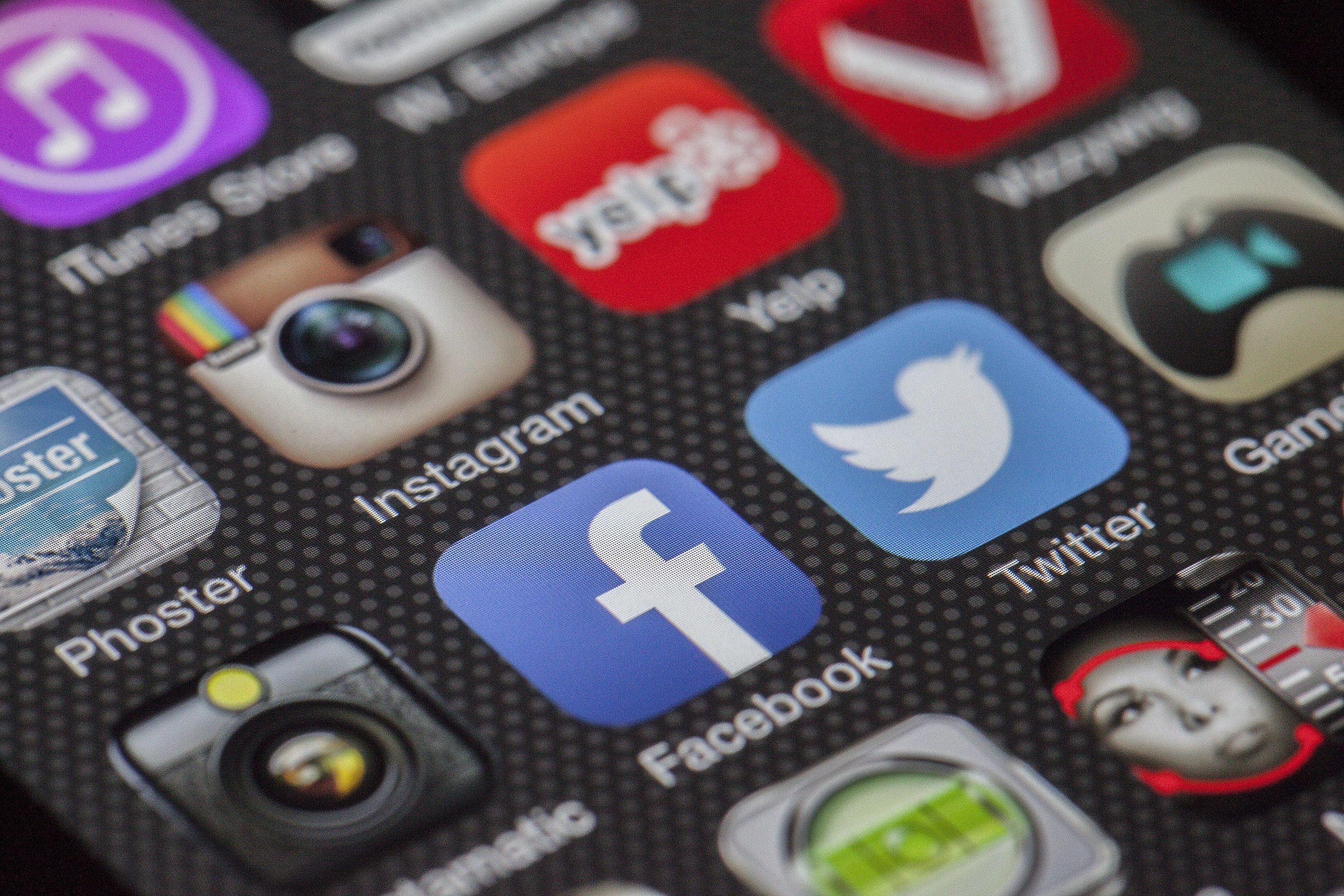
The concept was beautifully simple. You opened the app, tapped a button, and you were live. Your followers could tune in and react by tapping the screen to send floating hearts, a feature that became oddly addictive. There were no filters, no editing tools, just raw, real-time connection. It was available on iOS and Android, and later came to Apple TV, which meant people could watch streams from their sofas.
The numbers were staggering for the time. Within four months of launch, Periscope had surpassed 10 million accounts. Users were watching what the company described as “40 years per day” of video content. By December 2015, Apple had named it iPhone App of the Year. For a brief, bright moment, Periscope was the future of social media.
The Story Behind Periscope — From Idea to Launch
Born From a Protest in Istanbul
The idea for Periscope did not come from a boardroom. It came from a protest. In 2013, founders Kayvon Beykpour and Joe Bernstein were watching events unfold in Istanbul’s Gezi Park. They wanted to see what was happening on the ground, through the eyes of people who were actually there, but the technology to do that simply did not exist in a frictionless way. That frustration planted the seed.
They raised $1.5 million in seed funding from investors including Google Ventures, Founder Collective, and Maveron, and set about building the app. Twitter saw the potential early and acquired the company in January 2015, months before the public launch. It was a strategic bet that live video would become central to the platform’s future.
The Meerkat Rivalry That Defined a Moment
You cannot tell the Periscope story without mentioning Meerkat. At the South by Southwest festival in 2015, Meerkat was the hot new live-streaming app everyone was talking about, until Twitter cut off its access to the social graph. That move effectively cleared the path for Periscope, which launched just days later and capitalised on all the momentum and media buzz. It remains a textbook example of platform strategy: if you own the infrastructure, you can shape the market.
How Did Periscope Work? (And How Did Brands Use It?)
Using Periscope was refreshingly straightforward. You opened the app, chose to broadcast publicly or to a select group of followers, and you were live. Viewers could send hearts, leave comments, and share the stream. You could switch between front and rear cameras, and the app would notify you if someone took a screenshot. Streams could be saved for replay, which meant your content had a shelf life beyond the live moment.
Brands and creators quickly found inventive ways to use it. Behind-the-scenes content was a natural fit: a bakery showing the early-morning bake, a fashion label previewing a collection, a marketing team giving a candid tour of a photoshoot. In January 2016, Periscope released an update that let users stream live from GoPro cameras, opening up possibilities for action-packed broadcasts. A few months later, the NFL used Periscope to share exclusive behind-the-scenes content from Thursday Night Football, part of a wider Twitter partnership.
The app also played a role in citizen journalism. In June 2016, Democratic members of the US House of Representatives used Periscope to broadcast a sit-in on the House floor after the official C-SPAN feed was cut. It was a powerful demonstration of how live, unmediated video could bypass traditional gatekeepers.
Why Did Periscope Shut Down?
By the time Twitter announced Periscope’s discontinuation, the writing had been on the wall for a while. Usage had been declining steadily as competitors like Instagram Live, Facebook Live, and YouTube Live gained traction. Each of those platforms had a built-in audience, and for many users, it was simply more convenient to go live where their friends already were.
Maintaining a separate app came with high costs, and the returns were diminishing. Twitter faced a choice: keep pouring resources into a standalone platform with a shrinking user base, or absorb the best features into the main Twitter app. They chose the latter. Periscope’s core live-streaming technology was integrated directly into Twitter, and the standalone app was officially discontinued on March 31, 2021, almost exactly six years after it launched.
The shutdown was not a failure of the concept. Live video had won. It was everywhere. Periscope just happened to be the pioneer that paved the way, and sometimes pioneers get absorbed rather than celebrated.
Can You Still Use Periscope in 2026?
The short answer is no, not as an app. You cannot download Periscope from official app stores anymore, and the service itself has been switched off. However, past public broadcasts remain viewable on the Periscope web archive at pscp.tv. It is a strange digital time capsule, full of moments that once felt urgent and now feel like artefacts from a different internet.
The live-streaming features that made Periscope special now live inside X. If you go live on X today, you are using technology that traces directly back to that original Periscope codebase. The app is gone, but the plumbing is still very much in use.
A word of warning: if you search for Periscope on an app store today, you might stumble across something called “Periscope Lite Video Chat” on Google Play. This is not the original Periscope. It is an unrelated app published by an individual developer in Indonesia, with a 2.3-star rating and a privacy policy that should give you pause. It collects personal data and has no connection whatsoever to Twitter or the Periscope you remember. Do not confuse the two.
What Replaced Periscope? The Modern Live-Streaming Landscape
The live-streaming world Periscope helped create has evolved dramatically. TikTok Live, Instagram Live, YouTube Live, and Twitch now dominate the space, each with its own flavour. TikTok Live thrives on spontaneity and viral moments. Twitch is built for dedicated communities and long-form engagement. YouTube Live suits polished, scheduled content.
For UK businesses, live video remains a powerful tool, but the strategy looks different now than it did in 2015. Audiences expect higher production values, even when the content feels casual. Short-form video content, think Reels, TikToks, and YouTube Shorts, has become the dominant format for engagement, and live streams often work best as part of a broader content mix rather than a standalone tactic.
The key lesson from Periscope’s rise and fall is that the platforms change, but the human desire for authentic, real-time connection does not. People still want to see behind the curtain. They still want to feel part of something as it happens. The tools are different, but the impulse is the same.
What UK Business Owners Can Learn From Periscope’s Story
First-mover advantage counts for a lot, but it is not everything. Periscope was first, but it could not hold its audience when larger platforms built live video into their existing ecosystems. Longevity depends on sustainable engagement, not just early hype.
Live video can build incredible trust and authenticity with your audience, but you need a clear content strategy. Going live without a purpose is just noise. Think about what your audience genuinely wants to see: a product demonstration, a Q&A session, a tour of your workspace. The format works best when it serves a clear goal.
Do not put all your eggs in one platform basket. If your entire digital presence relies on a single app, you are vulnerable. Diversify your approach so you are not left scrambling when a platform changes direction or shuts down. A well-rounded strategy might include a mix of social media management, short-form video content, and a solid website that you own and control.
If the ever-changing social media landscape feels overwhelming, you are not alone. Plenty of business owners feel the same way, and there is no shame in seeking out a fresh perspective. Sometimes the most productive step is sitting down with someone who can look at your whole digital presence and help you spot the opportunities you have been missing.
Final Thoughts — The Legacy of Periscope
Periscope was a trailblazer. It proved that live, unfiltered video had a place in social media, and its DNA lives on in every platform that offers a “Go Live” button today. The app itself is gone, but the behaviour it normalised is now part of how we communicate online.
For UK business owners, the takeaway is simple: great content adapts. The tools change, but storytelling, authenticity, and connection never go out of style. Whether you are exploring video content for the first time or looking to refresh your approach, the principles Periscope championed, real-time, human, unpolished, are more relevant than ever. If you want to explore how short-form video or a broader creative content strategy could work for your business, we are always happy to chat over a free social media clinic. No hard sell, just honest, friendly advice.































