



Keep reading
Rather we just did it for you?
Let's get your business seen.
Social media, websites, SEO and ads from a team you can actually meet.
If you have ever felt a flutter of nerves at the thought of explaining your video idea to a creative team, you are not alone. A video briefing might sound like formal corporate paperwork, but in reality it is simply a conversation starter: a clear, friendly document that gets everyone pulling in the same direction before a single frame is shot. For UK business owners who want great video content without the headache, understanding this process can turn a daunting project into something genuinely enjoyable. This guide will walk you through what a video briefing is, why it matters, and how it helps you feel comfortable and confident from first chat to final cut.
Table of Contents
- Why a Video Briefing Matters More Than You Think
- What Exactly Goes Into a Video Briefing?
- The Video Briefing Process: How We Make It Work for You
- Common Video Briefing Mistakes (and How to Avoid Them)
- How a Great Video Briefing Helps You Feel Comfortable and Confident
- Using Your Video Briefing Across Your Marketing
- Ready to Create Your First Video Briefing?
Why a Video Briefing Matters More Than You Think
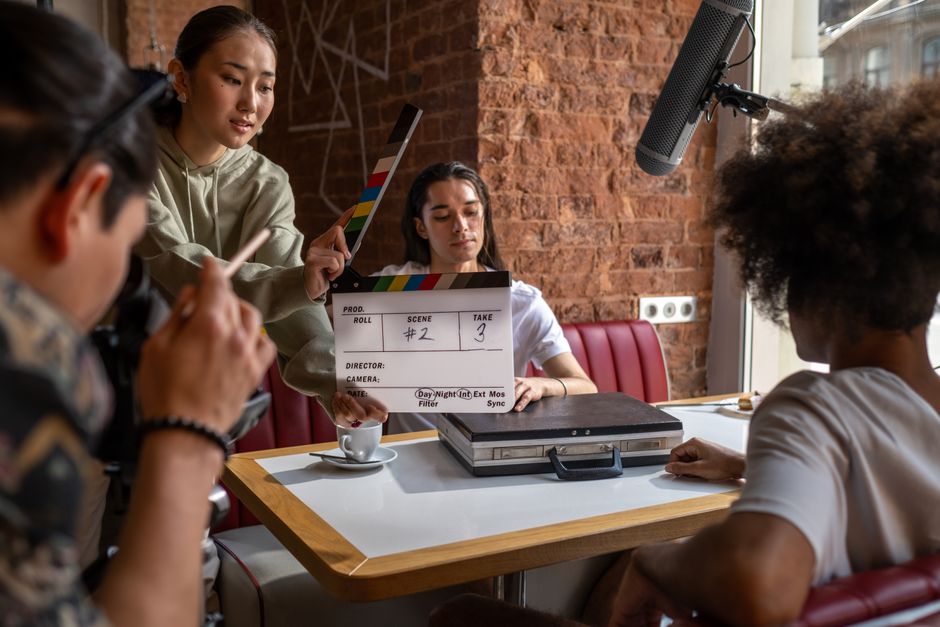
A video briefing is simply a document that helps you and your creative team get on the same page before production begins. Think of it as a shared map for the journey ahead. Without it, you risk wandering off course, wasting budget, and ending up with a video that does not quite feel like you.
The stats are eye-opening. Research cited across the industry shows that 78% of marketers believe their briefs provide clear strategic direction, yet only 5% of agencies agree. That is a massive disconnect, and it explains why so many video projects end up with confused messaging, endless revisions, and frustrated clients. A good brief closes that gap.
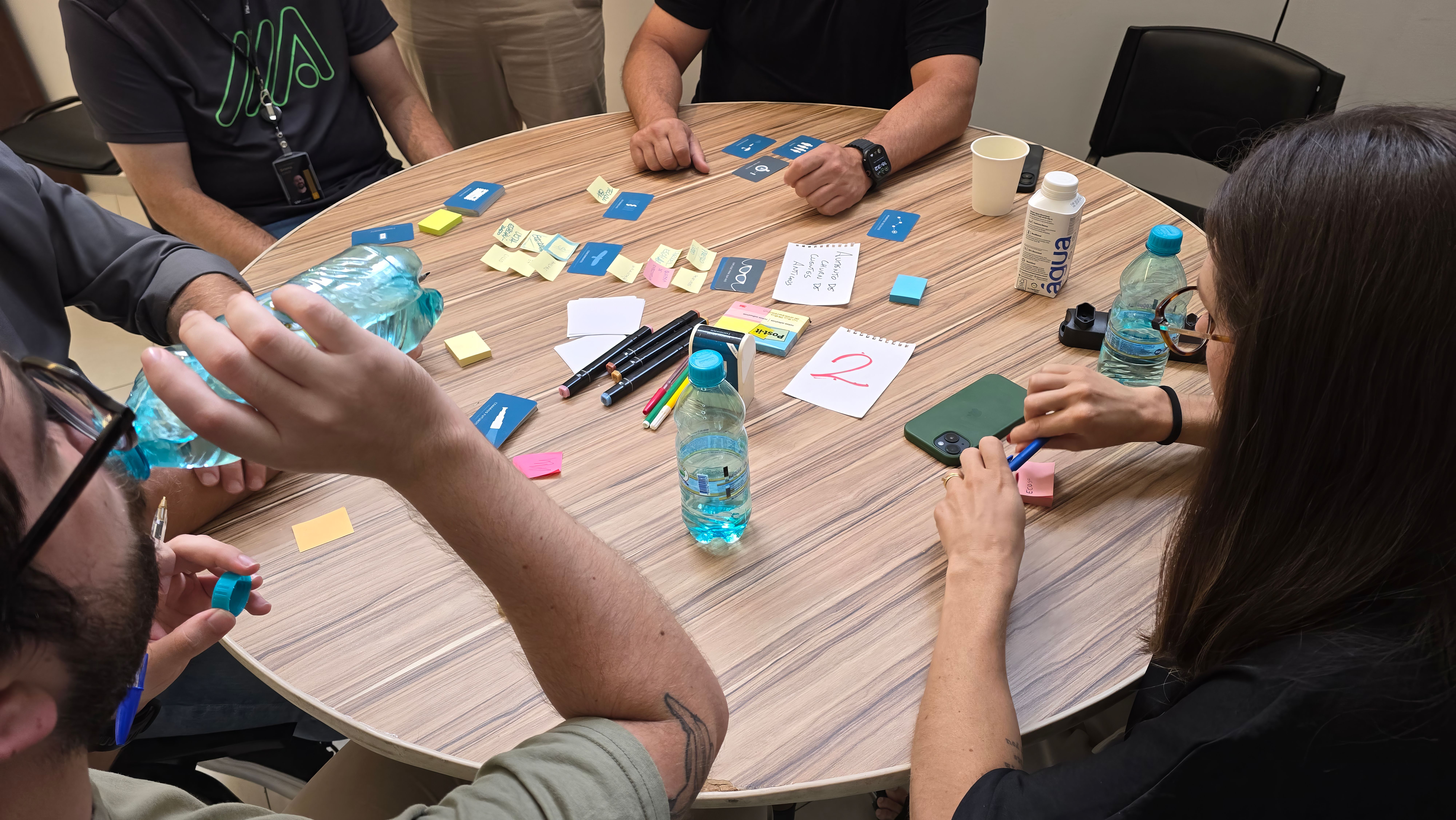
For SMEs especially, a solid brief levels the playing field. You do not need a marketing degree or a background in film production. You just need to articulate what your business does, who you want to reach, and what you want the video to achieve. When those basics are clear, your creative team can do what they do best.
A good brief saves you time, money, and a whole lot of back-and-forth emails. It is not about formal corporate jargon. It is about clarity, direction, and making sure everyone is working towards the same goal.
What Exactly Goes Into a Video Briefing?
Every effective video briefing covers a few essential sections. You do not need to write a novel, but you do need to give your creative team enough detail to understand your world.
Company background is the starting point. Who are you, what is your brand personality, and what makes you different from everyone else in your sector? Keep this conversational rather than corporate. If your business is warm and family-run, say so. If you are a no-nonsense B2B provider, that matters too.
Project objectives come next. Why are you making this video, and what does success look like? Be specific. Are you launching a new product, explaining a service, or building brand awareness? The clearer your goal, the easier it is to measure whether the video has done its job.
Target audience is where many briefs fall short. Who are you talking to? Think about demographics, interests, challenges, and behaviours. The more detail you can share, the better your creative team can shape the tone, style, and messaging to resonate with the right people.
Key messages should stay simple. What is the one thing you want viewers to remember after watching? Resist the urge to cram in too much. One clear message beats five muddled ones every single time.
Deliverables cover the practical stuff: format, aspect ratio, duration, and any language versions you might need. A video for your website homepage will look very different from a vertical clip designed for TikTok, so be clear about where this video will live.
Budget and timeline are also important. Be honest about what you are working with. It helps your team scope the project properly and propose the right solution rather than guessing.
The Sections Most People Forget
Beyond the basics, there are a few sections that often get overlooked but can make a huge difference to the final result.
Distribution channels deserve more attention than they usually get. Where will this video live? Your website, social media, email campaigns, or all three? Knowing this upfront shapes everything from aspect ratio to pacing.
Reference videos are worth a thousand words. Sharing examples of styles you like, or even styles you do not like, gives your creative team an instant sense of your taste. It removes guesswork and helps them understand the visual language you are drawn to.
Tone and aesthetic define the emotional feel. Are you going for warm and friendly, slick and professional, or bold and energetic? Words like “polished but approachable” or “playful but trustworthy” help your team hit the right note.
Call to action is often forgotten until the very end. What do you want viewers to do after watching? Visit your site, book a call, follow your socials? If viewers do not know what to do next, they will probably do nothing.
Accessibility considerations are not just nice-to-haves. Subtitles, captions, and transcripts widen your reach and make your video more inclusive. Many social platforms now auto-play without sound, so captions are essential for keeping viewers engaged.
The Video Briefing Process: How We Make It Work for You
A video briefing is not a one-way street. It is a conversation between you and your creative team, and the best briefs emerge from genuine dialogue rather than a rigid form-filling exercise.
Our approach is collaborative. We ask questions, listen carefully, and help you refine your ideas as we go. You do not need to arrive with everything perfectly polished. Half-formed thoughts and rough ideas are a brilliant starting point, because they give us something to build on together.
You also do not need to be a marketing whizz. We will help you articulate what you need, even if you are not sure where to start. That is the whole point of the process: to make you feel comfortable and confident, knowing your vision is in safe hands.
The goal is never to bamboozle you with jargon or technical language. It is to understand your business, your customers, and your ambitions, then translate that into a clear creative direction.
How to Prepare for Your Video Briefing Session
A little preparation goes a long way, but do not overthink it. Start by considering your business goals and how video fits into your wider marketing strategy. Are you trying to drive enquiries, build trust, or simply get your name out there?
Gather any existing brand guidelines, logos, or visual references you love. If you have seen a competitor’s video that made you think “we could do better than that,” share it. If you have a mood board on Pinterest, even better.
Think about your customers. What questions do they ask? What problems do they need solving? The answers often reveal the message your video should lead with.
If you are feeling stuck, our free Social Media Clinics are a brilliant way to talk through your ideas with no pressure. Sometimes a relaxed chat is all it takes to unlock the direction you have been searching for.
Common Video Briefing Mistakes (and How to Avoid Them)
Even well-intentioned briefs can go wrong. Knowing the common pitfalls helps you sidestep them from the start.
Being vague is the biggest one. Phrases like “something engaging” or “a fun video” do not give your team much to work with. Specifics are your friend. Instead of “engaging,” try “a 30-second clip that makes a busy restaurant owner stop scrolling and smile.”
Cramming in too many messages is another classic mistake. You might want to mention your history, your team, your three core services, and your charity work, but the viewer will remember none of it. Pick one message and build the video around it.
Ignoring your audience is surprisingly common. Your video is not for you; it is for the people you want to reach. If your brief describes what you want to say but not who you are saying it to, the final result will miss the mark.
Skipping the budget conversation creates problems later. Being upfront about budget helps your team propose the right solution from day one. It also builds trust, because no one likes surprises when the invoice arrives.
Forgetting the call to action leaves viewers hanging. Every video should guide people towards a next step, whether that is visiting your website, calling your team, or following you on social media.
How a Great Video Briefing Helps You Feel Comfortable and Confident
A thorough video briefing removes the guesswork, so you are not left wondering what is happening next. When everyone understands the plan, the project feels manageable rather than overwhelming.
When everyone is on the same page, you can relax knowing your vision is being brought to life. You do not need to chase for updates or worry that the creative team has gone off in the wrong direction. The brief keeps everything anchored.
Clear briefs mean fewer surprises. No unexpected costs, no missed deadlines, no “that’s not what I meant” moments. When expectations are set early, the whole process feels smoother and more professional.
The briefing process also builds trust between you and your creative team. It turns a transaction into a partnership. You will come away feeling like your voice has been heard and your business goals are genuinely understood, which makes the final video all the more rewarding.
Using Your Video Briefing Across Your Marketing
A good video briefing is not just for one project. It is a springboard for your wider content strategy, and the thinking you put into it can inform everything else you do.
The same brief can shape your social media content, your website design, and even your SEO approach. When you are clear on your audience and key messages, every piece of marketing becomes easier to plan. Short-form video content for platforms like TikTok can be planned from the same core messaging, giving you a consistent voice across every channel.
Your briefing helps you stay consistent everywhere, from Instagram Reels to your website’s homepage. That consistency builds recognition and trust, which are the foundations of long-term growth. If your website needs a refresh to match the quality of your video content, a well-planned website project can bring everything together beautifully.
Think of your briefing as your content roadmap, one that keeps your brand voice recognisable no matter where people find you. When your video, your social posts, and your website all tell the same story, your marketing feels cohesive and professional. That is the kind of joined-up thinking that turns casual viewers into loyal customers, and it all starts with a simple, well-crafted brief.
Ready to Create Your First Video Briefing?
Start simple. Jot down your goals, your audience, and the one message you want to get across. Use the structure we have outlined above as your guide; you do not need a fancy template to begin.
Remember, a video briefing is a living document. You can refine it as your ideas evolve, and the best briefs often grow through conversation.
If you would like a helping hand, our team at Delivered Social is always happy to chat about your video ideas. Whether it is a full video production or short-form content for social media, we are here to make the process feel easy and enjoyable.
































