




Keep reading
Rather we just did it for you?
Let's get your business seen.
Social media, websites, SEO and ads from a team you can actually meet.
You have probably heard the advice a hundred times: your brand needs to be on social media. But knowing you need a stronger presence and knowing how to build one are two very different challenges. That gap is exactly where the question arises: what does a social media agency do, and is hiring one the right move for your business? This guide cuts through the noise. It is written for UK business owners, marketing directors, and entrepreneurs who are actively weighing the cost of outsourcing against the promise of real, measurable growth. By the end, you will understand the full scope of services, what they cost in the UK market right now, how to spot a poor performer, and how to measure whether the investment is actually paying off.
Table of Contents
- Defining a Social Media Agency in 2026
- Core Services a Social Media Agency Provides
- Strategy vs. Execution: What an Agency Actually Does
- How Much Does a Social Media Agency Cost in the UK? (2026 Pricing)
- How to Measure ROI from a Social Media Agency
- Red Flags and Warning Signs When Hiring a Social Media Agency
- What to Expect in the First 90 Days of a Partnership
- Social Media Agency vs. In-House Team: Which Is Right for Your UK Business?
- Frequently Asked Questions
- Conclusion: Is a Social Media Agency Right for You?
Defining a Social Media Agency in 2026
A social media agency is a specialist firm that takes responsibility for a brand’s entire social presence across platforms. That means Instagram, TikTok, LinkedIn, YouTube, and Facebook, plus niche networks like Pinterest or Snapchat where the audience justifies it. The work goes far beyond scheduling posts. These agencies function as outsourced growth partners, combining creative production, audience psychology, and platform-specific strategy under one roof.
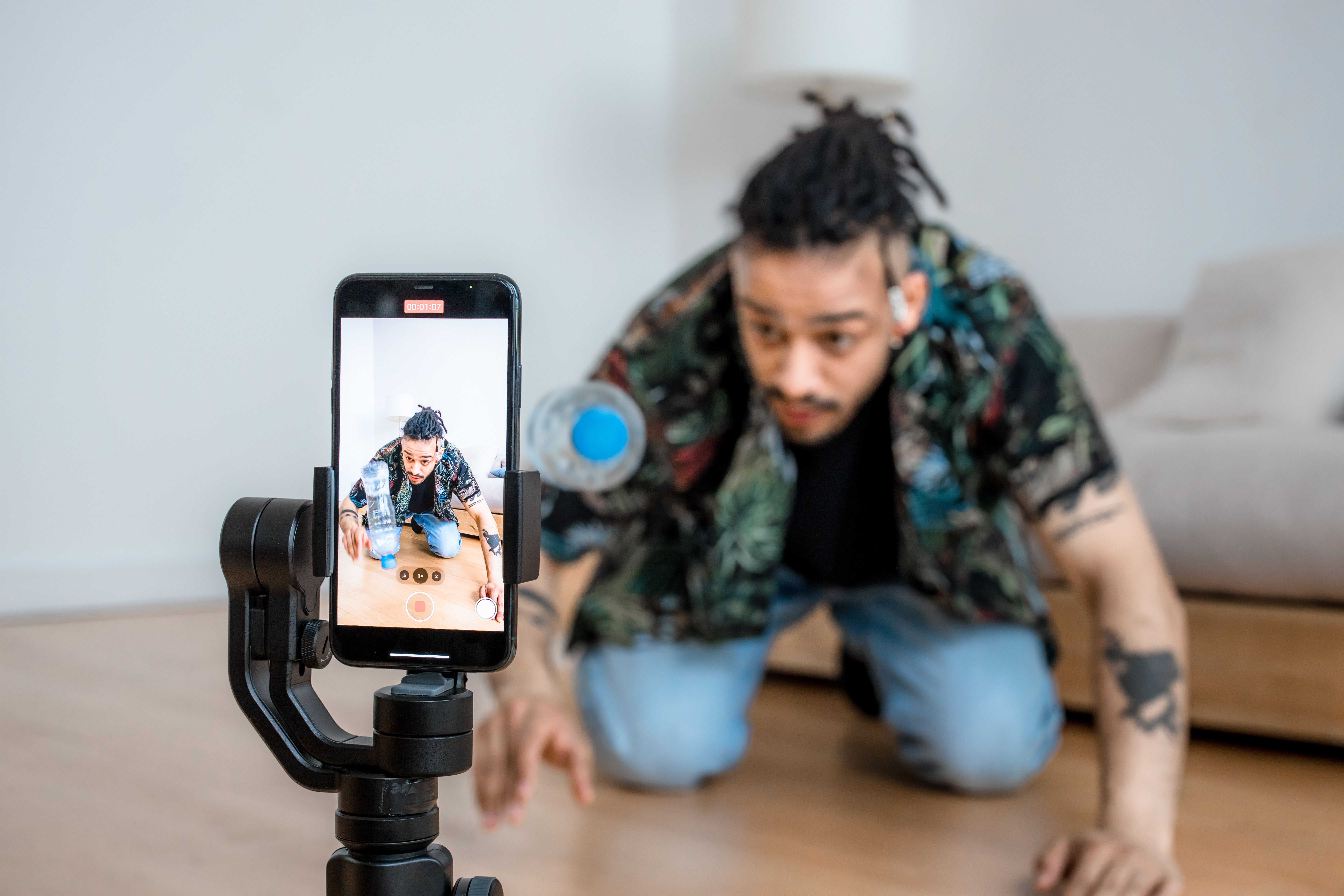
The distinction from a full-service marketing agency matters. A broad marketing firm might handle email campaigns, SEO, PPC, and even offline advertising. A social media agency, by contrast, lives and breathes platform algorithms, audience engagement patterns, and community growth. Its team wakes up thinking about TikTok’s latest UK shopping features, LinkedIn’s B2B dominance in London and Manchester markets, and how Instagram’s algorithm is prioritising shares over likes this quarter. The agency is not a “set and forget” service. It requires strategic collaboration with your internal team, access to your brand assets, and a genuine commitment to two-way communication. In the UK specifically, agencies also bring an understanding of regional tone, compliance with ASA guidelines, and the cultural nuances that make content feel native rather than imported.
Core Services a Social Media Agency Provides
The day-to-day output of an agency spans several interconnected disciplines. Each one demands a different skill set, which is why a single in-house hire rarely replicates the full breadth of what an agency delivers.
Content Creation and Copywriting
This is the most visible layer of an agency’s work. It includes professional graphics, short-form video production for Reels and TikTok, photography, and the copywriting that ties it all together. Captions, bios, and ad copy are written in a brand voice that sounds human, not corporate, and that voice is calibrated for a UK audience where tone-deaf Americanisms can alienate customers. Visual content consistently outperforms text-only posts, generating three times more engagement according to LinkedIn data. Agencies build brand style guides and asset libraries so that every post, story, and video thumbnail feels unmistakably yours, even as trends shift week to week.
Social Media Management and Scheduling
Posting daily across multiple platforms is an operational challenge. An agency handles calendar planning, platform-specific optimisation, and the actual scheduling using tools like Later or Hootsuite. But the tools are only as good as the human oversight behind them. Real-time adjustments matter: a scheduled post that clashes with a breaking news event or a sudden cultural moment needs to be paused or reworked instantly. Agencies manage Instagram, Facebook, TikTok, LinkedIn, YouTube, and, where relevant, Pinterest or Snapchat, each with its own optimal posting times for UK audiences and distinct content formats.

Community Management and Engagement
Social media is a two-way channel, and ignoring the inbound side is a costly mistake. Community management means proactively responding to comments, DMs, and mentions. It also includes crisis moderation when a post attracts negative attention. One beauty brand working with an agency saw a 20 percent increase in customer retention purely through proactive DM management, turning casual browsers into loyal buyers through authentic, timely interactions. This is not about automated replies or chatbot deflection. It is about building brand loyalty one conversation at a time, often during evenings and weekends when audiences are most active.
Paid Social Advertising
Organic reach alone rarely delivers the growth most brands need. Paid social advertising covers campaign strategy, ad creation, A/B testing, and budget management across Meta platforms, TikTok, LinkedIn, and YouTube. UK-specific targeting might zero in on regional audiences, local events, or seasonal patterns like the Christmas shopping surge or back-to-school periods. Agencies build retargeting pools and lookalike audiences to maximise return on ad spend, constantly refining creative and bidding strategies based on performance data.
Influencer and Creator Partnerships
The UK influencer market has matured, and audiences have grown sceptical of obvious celebrity endorsements. Agencies now focus heavily on micro-influencers, creators with smaller but highly engaged followings who feel authentic and trustworthy. The agency handles identification, outreach, negotiation, and campaign management, ensuring every partnership complies with ASA guidelines on disclosure. Performance tracking ties influencer activity back to measurable outcomes rather than vanity metrics.
Analytics, Reporting, and Social Listening
Every action an agency takes should be measured. Monthly or weekly dashboards track reach, engagement, conversions, and audience sentiment. But the real strategic edge comes from AI-driven social listening. This means monitoring brand mentions, competitor activity, and broader industry trends in real time, then adapting strategy accordingly. Attribution modelling connects social activity to business outcomes like website traffic, lead form submissions, and actual sales, closing the loop that many in-house teams leave open.
Strategy vs. Execution: What an Agency Actually Does
A common misunderstanding equates “doing social media” with having a strategy. Posting regularly is execution. Strategy is the thinking that determines why you post, when you post, and for whom. An agency should deliver both layers.
The strategic layer includes audience research, competitive analysis, goal-setting aligned to business objectives, and defining a brand voice that stands out in crowded feeds. The execution layer is the visible output: content production, posting, ad management, and reporting. Many brands hire for execution alone and then wonder why their numbers do not move. A restaurant client working with a strategy-led agency achieved a 30 percent increase in online reservations. That did not come from prettier photos alone. It came from understanding the local audience, mapping content to booking intent, and running targeted campaigns during peak decision-making hours. The agency provided a documented strategy first, then the operational capacity to bring it to life.
How Much Does a Social Media Agency Cost in the UK? (2026 Pricing)
UK pricing for social media agencies spans a wide range, and the figures reflect the depth of service you are buying. Monthly retainers typically run from £7,500 to £40,000 and above, depending on the number of platforms, content volume, and whether paid ad management is included. Project-based fees for campaigns like a product launch or rebrand fall between £17,500 and £75,000. For consultancy or ad-hoc work, hourly rates range from £175 to £765 per hour.
Several factors influence where your investment lands on that spectrum: the number of platforms managed, the frequency of content production, the complexity of paid ad campaigns, influencer fees, and the depth of reporting you require. A word of caution: agencies offering monthly retainers below £1,000 often rely heavily on automation or offshore labour with little strategic input. High cost does not automatically guarantee quality, but due diligence is essential. Ask for a breakdown of where your budget goes. If an agency cannot or will not provide one, that is a warning sign.
How to Measure ROI from a Social Media Agency
Vanity metrics like likes and follower counts are easy to report and easy to ignore. What matters is conversion rate, cost per lead, customer acquisition cost, and lifetime value. Use UTM parameters, pixel tracking, and platform-native analytics to attribute results accurately. A simple framework: take the revenue generated from social channels, divide it by the total agency cost, and multiply by 100 to get your ROI percentage.
Qualitative returns also matter. Brand sentiment, share of voice, and the tone of customer comments tell a story that spreadsheets cannot fully capture. A full 93 percent of marketers say social media accelerates business growth, but that claim only holds true when ROI is tracked systematically and acted upon.
Red Flags and Warning Signs When Hiring a Social Media Agency
Not every agency deserves your trust. Guarantees of viral growth or instant follower spikes are almost always a sign of bots or paid follows that deliver no business value. A refusal to share a sample reporting template or a documented strategy before you sign is another red flag. If the agency shows no understanding of your industry or the nuances of the UK market, including regional slang, cultural references, or advertising compliance, walk away. Opaque pricing structures, hidden fees for ad management or content revisions, and poor communication during the pitch process all predict a difficult partnership. Slow response times, generic proposals, and the absence of a named account manager are signs that you will be a low-priority client.
What to Expect in the First 90 Days of a Partnership
The first 30 days should focus on onboarding: a brand audit, platform access setup, content audit, a goal-setting workshop, and delivery of a 90-day strategy document. Days 31 through 60 are about laying the foundation. The content calendar goes live, initial posting begins, baseline metrics are captured, and the first round of A/B testing for ads provides early directional data. Days 61 through 90 shift into optimisation. The agency reviews early results, pivots strategy where needed, delivers the first monthly report, and plans the next quarter’s activity. Most agencies ask for a minimum contract of three to six months. Meaningful data takes time to accumulate, and a partnership cut short at eight weeks rarely yields useful conclusions.
Social Media Agency vs. In-House Team: Which Is Right for Your UK Business?
An agency gives you access to a full team, including a strategist, designer, copywriter, and ads specialist, typically for less than the cost of one senior in-house hire. You also gain platform expertise drawn from work across multiple industries, plus the ability to scale up or down as needs change. An in-house team offers deeper brand immersion, faster turnaround for urgent requests, and full control over voice and culture. A hybrid model works well for many mid-sized UK brands: the agency handles strategy and execution while an internal marketing lead provides brand oversight and approvals. If your business needs consistent output, expert-level platform knowledge, and measurable growth without the overhead of building a team from scratch, an agency is often the better investment. You can explore how a website marketing strategy connects with your social efforts to create a unified digital presence.
Frequently Asked Questions
What is the difference between a social media manager and an agency? A manager is one person, however talented. An agency is a team of specialists covering content, ads, analytics, and strategy, which means no single point of failure and a broader range of expertise.
How long does it take to see results from a social media agency? Typically three to six months for statistically meaningful data. Immediate, dramatic results are rare and often a red flag signalling artificial inflation of metrics.
Do I need a social media agency if I have a small budget? Yes, but look for agencies that offer scaled retainers or project-based work. Avoid those that only sell full-service packages with no flexibility.
Can an agency work with my existing marketing team? Absolutely. Most agencies are structured to act as an extension of your team, not a replacement. Clear communication and defined roles make the relationship productive.
Conclusion: Is a Social Media Agency Right for You?
A social media agency brings expert strategy, consistent execution, measurable ROI, and significant time savings. The right partner does not just post content; it aligns social activity with your business goals and proves the value month after month. If your current social performance feels stagnant or your team is stretched too thin, it is worth evaluating what an agency could unlock. The best relationships are built on alignment, transparency, and a track record of results in the UK market. A strong social presence also depends on consistent brand messaging across every customer touchpoint, from your feed to your website. Choose a partner who understands that, and you will have more than a vendor. You will have a growth engine.































